Categories
Health & Wellness Hearing Devices

Hearing Aids: Key Insights for Monitoring Health Metrics

Last Updated on 23/01/2026 by Admin

Unveiling the Progression of Hearing Aid Technology

Crucial Insights into the Functionality of Hearing Aids

Hearing aids have evolved into sophisticated technological devices that perform far beyond mere sound amplification; they actively track essential health metrics, providing invaluable data on auditory health. These modern devices incorporate state-of-the-art sensors that detect sounds and analyse audio patterns, capturing user interactions in real-time. This advanced technology not only offers insights into the progression of hearing loss but also adapts to various cultural contexts, empowering users to maintain their auditory health over time. The consistent tracking methodologies employed by contemporary hearing aids grant a comprehensive understanding of each individual’s auditory landscape, enhancing overall well-being.

As the technology behind hearing aids continues to advance, users can look forward to gaining deeper insights into their auditory capabilities and related health metrics. The inclusion of data analytics promotes tailored feedback, which is essential for individuals from diverse backgrounds and lifestyles. This global perspective not only raises awareness about hearing health but also encourages preventive measures, underscoring the importance of continuous monitoring of auditory health.

How Do Hearing Aid Sensors Operate to Monitor Health Metrics?

Hearing aid sensors play a pivotal role in health monitoring, seamlessly integrating with various devices to capture environmental sounds and physiological signals. These sensors continuously process data in real-time, providing insights into health metrics, including sound exposure and interaction patterns with the surrounding auditory environment. As users navigate their daily lives, these sensors diligently operate in the background, keeping track of changes and delivering immediate feedback concerning their hearing health.

When paired with sophisticated algorithms, these sensors construct a comprehensive health monitoring system. For instance, they can detect high levels of background noise, alerting users to potentially harmful auditory environments. Moreover, they can assess auditory fatigue, providing critical information for users who may not be aware of the effects of prolonged exposure to certain sound levels. This dual functionality of hearing aids significantly enhances user experience while fostering a culture of health awareness.

Key Features for Optimising Health Monitoring in Hearing Aids

Modern hearing aids come equipped with a diverse range of features that enhance effective health tracking. These features not only promote user engagement with their health metrics but also deliver actionable insights necessary for informed decision-making. Key features include:

These features significantly enhance the user experience and contribute to improved long-term health outcomes by encouraging proactive management of hearing health. As hearing aid technology continues to develop, these features will further evolve, providing even more robust capabilities for health tracking.

Innovative Breakthroughs Shaping the Future of Hearing Aids

The hearing aid sector is witnessing rapid technological advancements, particularly with the integration of artificial intelligence (AI). Today’s hearing aids utilise AI algorithms to adjust to various environments in real-time, improving sound clarity and user comfort. This technology allows devices to learn individual user preferences and automatically adjust settings based on contextual factors, offering a highly personalised auditory experience.

Machine learning plays a crucial role in fine-tuning these customised settings, enabling hearing aids to adapt according to each user’s unique requirements. For example, a user who frequently attends concerts may need different settings compared to someone who mainly resides in quieter settings. The ability of hearing aids to learn and adapt greatly enhances their efficiency in monitoring auditory health metrics, making them indispensable for users globally.

Effortless Integration with Other Devices for Enhanced Functionality

Contemporary hearing aids are engineered to connect effortlessly with smartphones and wearable devices, significantly augmenting their functionality and overall user experience. This integration facilitates remote adjustments and synchronisation with health apps, allowing users to conveniently monitor and manage their hearing health. For instance, users can receive notifications directly on their smartphones regarding their sound exposure levels and daily usage patterns, greatly simplifying the management of their auditory health.

Furthermore, this interconnected ecosystem promotes a comprehensive approach to health management, enabling users to combine their hearing aid data with other health tracking applications. This functionality allows individuals to oversee their hearing health alongside other metrics, such as physical activity and sleep patterns, providing a holistic view of their overall well-being. As technology advances, we anticipate even greater synergy between hearing aids and other health devices, ultimately contributing to improved health management strategies.

How Do Hearing Aids Effectively Monitor Health Metrics?

Thorough Examination of Tracking Methods Utilised in Hearing Aids

Hearing aids employ advanced embedded technology to effectively monitor a myriad of health indicators, focusing primarily on sound interactions and user habits. This technology ensures that health metrics are accurately captured for ongoing evaluations, which is essential for maintaining optimal hearing health. By analysing data from numerous sensors, these devices can furnish detailed insights into the user’s auditory environment and overall health status.

For instance, hearing aids can gauge sound exposure levels, alerting users when they are in excessively loud settings. Additionally, they frequently track how often users adjust their settings, which can indicate potential discomfort or changes in hearing ability. This level of detailed monitoring not only informs users about their auditory health but also assists audiologists in making informed decisions regarding necessary adjustments or interventions.

The Benefits of Instantaneous Data Collection from Hearing Aids

Real-time data collection from hearing aids presents numerous advantages, particularly in fostering proactive management of auditory health. By providing immediate feedback, users can quickly identify changes in their hearing and adopt improved practices for maintaining their health. For instance, receiving alerts about excessive noise exposure empowers users to take preventive actions, thereby minimising the risk of further auditory damage.

This continuous monitoring encourages healthier daily habits, prompting users to engage actively with their hearing health. Users can alter their behaviours based on insights provided by their devices, leading to enhanced overall well-being. Furthermore, the ability to track changes over time aids both users and healthcare professionals in recognising patterns, facilitating timely interventions when necessary.

What Challenges Hinder the Accuracy of Health Metrics in Hearing Aids?

Despite the advanced technology employed in hearing aids, several challenges exist that can impact the accuracy of health metrics. A primary concern involves device calibration; if hearing aids are not calibrated properly, the data collected may not accurately represent the user’s hearing environment or health status. Additionally, variability among users can also create challenges, as differing habits and environments can profoundly influence tracking outcomes.

To address these issues, manufacturers must focus on enhancing calibration processes and providing users with clear guidelines to achieve optimal performance. Regular updates and user education are essential in ensuring that tracking remains reliable and effective. By tackling these factors, hearing aid technology can continue to advance in accuracy and trustworthiness for users worldwide.

Expert Perspectives on How Hearing Aids Monitor Health Metrics

Advanced Sensor Integration Techniques for Improved Tracking

Cutting-edge sensors in hearing aids significantly enhance health metric tracking by employing state-of-the-art integration techniques. These sensors work in conjunction with algorithms that analyse sound environments, user interactions, and health indicators. For example, the incorporation of gyroscopic sensors can provide additional insights into user mobility, which may correlate with hearing health.

Real-world examples illustrate the effectiveness of these advanced techniques. In controlled testing environments, hearing aids equipped with sophisticated sensors displayed improved accuracy in detecting sound variations, leading to enhanced health metric assessments. Users reported more satisfying experiences with their hearing aids, as the devices adeptly adapted to their unique auditory environments with precision.

Additionally, the introduction of feedback loops, where user responses inform future sensor adjustments, can lead to continuous improvement in device performance. This not only bolsters the accuracy of tracking but also empowers users with a sense of control over their hearing health.

Data Analysis Techniques Embedded in Hearing Aid Devices

Data analysis is crucial in interpreting health metrics derived from hearing aids. The processing algorithms integrated into these devices are meticulously designed to analyse collected data effectively, transforming raw metrics into actionable insights. For instance, algorithms can evaluate sound exposure levels and correlate them with user activities, thereby providing recommendations for managing noise exposure.

Expert analysis indicates that these algorithms are becoming increasingly sophisticated, utilising machine learning to enhance their accuracy over time. As algorithms interpret extensive amounts of data, they can identify trends and anomalies that inform users about their auditory health. This enhanced data analysis leads to improved outcomes, as users can make informed decisions based on actionable insights derived from their hearing aids.

The Significance of Connectivity in Health Monitoring

Connectivity acts as a vital component of health monitoring in hearing aids, facilitating the exchange of data between devices and external systems. Linking hearing aids with smartphones and health applications elevates user engagement, delivering a comprehensive overview of their health metrics. For instance, users can receive real-time notifications regarding sound exposure levels or recommended adjustments based on their daily activities.

Real-world instances illustrate the effectiveness of this connectivity. Users who connect their hearing aids to health management platforms often report heightened awareness of their auditory health, leading to proactive management strategies. This interconnected approach streamlines the monitoring process and fosters a collaborative environment between users and healthcare providers, ultimately enhancing overall health outcomes.

Tackling Ethical Considerations in Health Data Management

As hearing aids collect and manage sensitive health data, ethical considerations concerning privacy and security become increasingly paramount. Users must trust that their health metrics are handled responsibly to encourage consistent use of tracking features. Strategies to safeguard this data include implementing robust encryption methods, secure data storage, and transparent privacy policies.

Moreover, educating users about the management of their health data promotes confidence in the technology. Ensuring that users understand their rights regarding data privacy and how their information is utilised builds trust in hearing aid technology. Addressing these ethical considerations will enhance the credibility of health metrics collected by hearing aids and contribute to a positive user experience.

Emerging Trends in Health Metric Tracking for Hearing Aids

The future of health metric tracking in hearing aids appears promising, particularly with the emergence of innovative technologies and advancements. Experts forecast that developments in AI will lead to increasingly personalised health monitoring experiences, as devices become adept at understanding user behaviours and preferences.

Emerging technologies, including enhanced sensor capabilities and improved data analytics, will transform how health metrics are tracked and interpreted. As hearing aids evolve to offer deeper insights and tailored health recommendations, users can expect significant improvements in their overall health outcomes. This trend reflects a broader movement towards personalised healthcare, where technology empowers individuals to take charge of their health in revolutionary ways.

What Specific Metrics Can Hearing Aids Track?

Common Health Indicators Monitored by Hearing Aids

Hearing aids are designed to monitor a variety of health indicators that are crucial for maintaining auditory health and overall well-being. Among the most common metrics tracked are sound levels, usage patterns, and environmental exposure. These metrics provide users with valuable insights into their daily auditory experiences, helping them identify potential risks associated with prolonged exposure to high sound levels.

For instance, hearing aids can measure decibel levels in a user’s environment, alerting them when they exceed recommended exposure thresholds. Additionally, usage patterns, such as the duration the device is worn each day, can indicate auditory fatigue or discomfort. Understanding these metrics is essential for users aiming to safeguard their hearing health and prevent further deterioration.

How Does Tracking Influence User Behaviour and Habits?

Tracking metrics through hearing aids significantly impacts user behaviour by fostering healthier habits and enhancing awareness regarding auditory health. By monitoring metrics such as frequency of adjustments and sound exposure, users become more engaged in managing their hearing health. This engagement encourages users to develop routines that prioritise their auditory well-being.

For instance, users who receive feedback on their usage patterns may recognise the benefits of minimising their exposure to loud environments. This increased awareness often prompts lifestyle adjustments that promote better hearing health, such as taking breaks from noisy settings or utilising protective hearing gear. The insights gained from tracking empower users to make informed decisions, ultimately enhancing their long-term auditory health.

Identifying Limitations in Current Tracking Capabilities of Hearing Aids

While hearing aids offer significant advantages in tracking health metrics, several limitations exist that may affect the comprehensiveness of the data collected. One primary limitation is the inability of some devices to capture the complete context of a user’s auditory environment. Factors such as ambient noise, user activity, and device calibration can influence the accuracy of the metrics recorded.

Additionally, users may need to complement the data from their hearing aids with other health monitoring methods to achieve a more complete picture of their overall health. For example, integrating data from other wearable devices can provide insights into physical activity levels and sleep patterns, which can influence auditory health. Recognising these limitations encourages users to adopt a holistic approach to health tracking while leveraging the strengths of their hearing aids.

Research-Backed Strategies for Effective Health Metric Tracking in Hearing Aids

Best Practices for Integrating Health Features in Hearing Aids

Research indicates that effective integration of health features in hearing aids significantly enhances metric accuracy. By combining advanced sensors with user-friendly interfaces, manufacturers can improve the user experience and drive consistent engagement. For optimal tracking, users should perform routine checks on their devices to ensure they operate effectively and provide accurate data.

For example, regularly cleaning the device and ensuring a proper fit can enhance performance and improve data collection. Manufacturers can also offer users guidance on maximising the features of their hearing aids, allowing them to fully utilise the health tracking capabilities. This collaborative approach ensures users remain informed and engaged, leading to better health outcomes over time.

Improving Data Reliability through Regular Updates

Software updates play a pivotal role in ensuring the reliability of health monitoring capabilities in hearing aids. Regular updates can introduce enhancements that adapt to user needs, ensuring consistent performance and accuracy in tracking metrics. This focus on continuous improvement is essential in an ever-evolving technological landscape.

Experts recommend that users keep their devices up to date, as these updates often include refinements to the algorithms that interpret health data. By embracing these advancements, users can expect improved overall effectiveness in tracking their health metrics, providing a clearer picture of their auditory well-being.

What Innovations Are Supporting Enhanced Metric Tracking in Hearing Aids?

Ongoing technological advancements are unveiling new methods to capture and analyse health data within hearing aids. For instance, the development of more sensitive microphones and advanced digital signal processing capabilities enhances the accuracy of sound level measurements. Innovations such as machine learning algorithms assist in refining the interpretation of health metrics, enabling hearing aids to provide more personalised insights.

Real-world examples of these innovations include the introduction of hearing aids capable of adapting to specific listening environments, automatically adjusting settings to optimise sound quality and tracking capabilities. As technology continues to progress, users can anticipate even greater accuracy and improvements in user experience, ultimately enhancing their health management strategies.

Why Are Hearing Aids Crucial for Health Management?

The Core Benefits of Health Monitoring through Hearing Aids

Hearing aids play a vital role in tracking metrics that reveal trends related to auditory health. By continuously monitoring various indicators, these devices empower users to address potential issues before they escalate, cultivating a proactive approach to health management. The insights provided by hearing aids enable users to make informed decisions regarding their auditory health.

Furthermore, the ability to track sound exposure levels and usage patterns helps users gain a deeper understanding of their daily auditory environment, highlighting areas that may require attention and action. This proactive approach not only aids in maintaining hearing health but also contributes to overall wellness, establishing hearing aids as indispensable tools for health monitoring in today’s world.

How Do Hearing Aids Foster Long-Term Wellness?

Hearing aids contribute significantly to long-term wellness by continuously logging data related to usage and sound exposure. This ongoing monitoring helps users track changes and trends in their auditory health, facilitating informed discussions with healthcare providers. By regularly reviewing this data, users can make necessary lifestyle adjustments to prioritise their hearing health.

Moreover, the information provided by hearing aids can prompt users to adopt preventive measures, such as reducing exposure to loud noises or seeking professional assistance when needed. This focus on long-term wellness contributes to overall health and quality of life, demonstrating the critical role of hearing aids in modern health management.

What Are the Risks of Ignoring Tracked Metrics in Hearing Health?

Neglecting to review data from hearing aids can lead to serious consequences, as it may result in undetected declines in auditory health. Users who overlook this information might miss warning signs of hearing loss or other issues, ultimately compromising their well-being. Regularly reviewing tracked metrics is vital for ensuring that users maintain awareness of their auditory health status.

Additionally, ignoring these metrics may impede users’ ability to make informed decisions regarding their health. By actively engaging with the data provided by their hearing aids, users can take proactive steps to maintain their hearing health and prevent further deterioration. This level of awareness is essential for fostering long-term well-being and ensuring that users remain proactive in their health management strategies.

The Integral Role of Sensors in Hearing Aids

Understanding the Fundamental Functions of Hearing Aid Sensors

Sensors in hearing aids serve critical functions, primarily focusing on detecting and processing health-related signals. These sensors collect essential data on user interactions, including sound exposure and adjustment patterns, which contribute to effective metric tracking and analysis. By capturing real-time audio inputs, sensors yield invaluable insights into the user’s auditory environment and overall health.

The capacity to process health-related signals in real-time enhances the functionality of hearing aids and empowers users to make informed decisions regarding their auditory health. As technology advances, these sensors are likely to evolve, offering even more sophisticated tracking capabilities that can further assist users in managing their hearing health effectively.

What Factors Affect the Performance of Hearing Aid Sensors?

The performance of sensors in hearing aids can vary due to several factors, including design, environmental conditions, and user habits. For instance, the placement and quality of microphones are critical in accurately capturing sound. Additionally, environmental factors such as background noise and temperature can affect how effectively sensors operate, influencing the precision of the metrics measured.

To optimise sensor reliability, manufacturers should focus on designing robust, high-quality sensors that can perform consistently across various environments. Users can also contribute by ensuring proper fitting and care of their devices, which can help maintain optimal sensor performance. By addressing these factors, hearing aids can provide users with accurate and meaningful health data.

Integrating Sensors with Additional Features for Enhanced Tracking

Integrating sensors with other features in hearing aids improves health tracking by facilitating seamless data sharing. This integration allows users to benefit from a comprehensive monitoring system, where data from sensors can inform other functionalities, such as activity tracking and remote adjustments. For instance, when a user engages in physical activity, the sensors can adjust the hearing aid settings to optimise sound quality based on the surrounding environment.

This seamless integration empowers users by providing a holistic view of their health and enabling informed decision-making. Real-world examples demonstrate how this interconnected approach can enhance user experience, leading to improved health outcomes and overall satisfaction with hearing aids. As technology continues to progress, we can anticipate further advancements in this area, contributing to better health management strategies.

Future Developments on the Horizon for Health Tracking in Hearing Aids

Emerging Technologies Set to Transform Hearing Aids

Emerging technologies hold the promise of revolutionising health tracking capabilities in hearing aids, allowing for more precise data collection and analysis. Innovations such as advanced machine learning algorithms and improved sensor technology will enable hearing aids to provide deeper insights into user health metrics. For instance, next-generation sensors may monitor additional health indicators, such as heart rate and physical activity levels, further enhancing comprehensive health tracking.

These advancements will empower users to take charge of their health by furnishing them with actionable insights. As technology continues to evolve, hearing aids will become even more integral to personal health management, helping users maintain their overall well-being while effectively managing their auditory health.

How Will Future Updates Enhance User Experience?

Future updates to hearing aids are anticipated to significantly enhance user experience by making health tracking more intuitive and user-friendly. Enhanced user interfaces will facilitate easier navigation of health metrics, allowing users to access and interpret their data effortlessly. Furthermore, updates may introduce personalised recommendations based on user behaviour and preferences, providing tailored insights that align with individual health goals.

This commitment to improving user experience through updates reflects the ongoing dedication of hearing aid manufacturers to continuously refine their products. As users become more engaged with their health data, they are likely to experience better overall outcomes, highlighting the importance of innovation in hearing aid technology.

What Challenges Might Arise When Adapting New Features?

While adapting new features in hearing aids presents exciting opportunities, it also comes with challenges, such as compatibility issues and user adaptability. Ensuring that new features integrate seamlessly with existing technology can be complex, necessitating ongoing collaboration between manufacturers and technology providers. Additionally, users may require time to adjust to new functionalities, highlighting the need for comprehensive education and support.

Addressing these challenges is crucial to ensure that health tracking evolves effectively to meet diverse user needs. By prioritising user experience and offering adequate support during transitions, manufacturers can cultivate a positive reception of new features, ultimately enhancing the effectiveness of hearing aids as health monitoring devices.

The Integration of Hearing Aids with Smart Home Devices

Upcoming integrations of hearing aids with smart home devices are likely to allow for more comprehensive health tracking and management. By connecting hearing aids to smart home ecosystems, users can benefit from automated adjustments based on real-time health data. For example, if a user’s hearing aids detect high noise levels in their environment, smart home technology could automatically implement soundproofing measures or reduce background noise.

This integration offers users a more connected approach to health management, enabling a deeper understanding of their health metrics and providing opportunities for enhanced well-being. As smart technology continues to permeate daily life, hearing aids will increasingly become part of this ecosystem, offering users innovative ways to improve their health tracking and overall quality of life.

The Impact of AI on Personalised Health Plans for Hearing Aid Users

AI-driven advancements are poised to revolutionise how hearing aids develop personalised health plans for users. By analysing user behaviour and health data patterns, AI can predict potential issues and suggest proactive interventions tailored to individual needs. For instance, if a user consistently experiences discomfort in noisy environments, the AI might recommend specific adjustments or preventive measures, thereby enriching the user’s overall health experience.

This degree of personalisation reflects a broader shift towards individualised healthcare, where technology empowers users to take control of their health through insights derived from data. As AI continues to advance, hearing aids will play an increasingly critical role in crafting personalised health plans, fostering long-term wellness and preventive care strategies.

Effective Tips for Maximising Hearing Aid Use

Essential Daily Maintenance Practices for Hearing Aids

Regular maintenance of hearing aids is crucial for ensuring accurate health tracking and reliable performance. Daily practices such as cleaning the devices, checking batteries, and ensuring proper fitting can significantly enhance their effectiveness. Users should establish a routine for cleaning their hearing aids to prevent the buildup of wax and debris, which can obstruct sound quality and compromise sensor performance.

Moreover, users are encouraged to consult their audiologists for guidance on maintaining their devices. Regular check-ups can help ensure that hearing aids remain optimally adjusted and functioning effectively. By prioritising daily maintenance practices, users can maximise the longevity and reliability of their hearing aids, ultimately supporting accurate health metric tracking.

Best Practices for Reviewing Health Data from Hearing Aids

Engaging with the data collected by hearing aids is vital for understanding health patterns. Users should regularly review their tracked metrics to gain insights into their auditory health and identify potential areas for improvement. This proactive engagement fosters better management of hearing health, allowing users to make informed decisions based on their data.

Furthermore, users can leverage their data when consulting healthcare providers, ensuring that they discuss relevant trends and observations during appointments. Establishing a routine for data review empowers users to remain proactive about their health while fostering a culture of continuous improvement in their auditory well-being.

What Common Mistakes Should Users Avoid with Hearing Aids?

Several common mistakes can hinder the effectiveness of health tracking through hearing aids. One primary mistake is improper fitting; if devices do not fit correctly, they may fail to capture accurate sound levels or user interactions. Users should regularly consult with their audiologists to ensure that their devices are well-fitted and adjusted to meet their unique needs.

Additionally, neglecting to review tracked metrics can lead to missed opportunities for proactive health management. Users should prioritise regular reviews of their health data to stay informed about their auditory health progress. By avoiding these common pitfalls, users can enhance the overall effectiveness of their hearing aids as health monitoring devices.

Frequently Asked Questions about Hearing Aids and Health Tracking

What health metrics can hearing aids track?

Hearing aids have the capability to track various health metrics, including sound exposure levels, usage patterns, and environmental interactions, providing users with valuable insights into their auditory health.

How do sensors in hearing aids work?

Sensors in hearing aids capture sounds and physiological signals, processing this data in real-time to offer insights into health metrics and enhance the overall user experience.

What are the benefits of real-time data collection from hearing aids?

Real-time data collection enables users to receive immediate feedback, facilitating proactive management of their hearing health and allowing for timely interventions when necessary.

How do hearing aids promote long-term wellness?

Hearing aids contribute to long-term wellness by continuously monitoring health metrics, assisting users in addressing potential issues early and fostering a preventive care approach.

What challenges exist regarding the accuracy of tracked metrics?

Challenges in tracking accuracy include issues with device calibration and user variability, which can significantly influence the reliability of the data collected by hearing aids.

How often should users maintain their hearing aids?

Users should establish a daily maintenance routine that includes cleaning, checking batteries, and ensuring proper fitting to maximise the performance of their hearing aids.

What role does AI play in hearing aid technology?

AI enhances hearing aids by creating personalised health plans, analysing user data, and suggesting proactive interventions based on individual needs and behaviours.

Can hearing aids integrate with other devices?

Yes, modern hearing aids can seamlessly integrate with smartphones and other health devices, allowing users to conveniently monitor their health metrics.

What are common user mistakes with hearing aids?

Common mistakes include improper fitting of devices and neglecting to review tracked metrics, which can hinder effective health monitoring and management.

How can users enhance data reliability in hearing aids?

Users can enhance data reliability by keeping their devices updated, following maintenance routines, and regularly reviewing tracked metrics to ensure optimal performance.

Follow us on X for the latest updates!

The post Hearing Aids: Essential Insights on Tracking Health Metrics appeared first on The Microsuction Ear Wax Removal Network.
Categories
Health & Wellness Human Anatomy

Ear Infections: Understanding Human Anatomy Essentials

Last Updated on 22/01/2026 by Admin

Explore the Intricate Structure of the Ear for Better Understanding

What Are the Key Components of Ear Anatomy That Enable Hearing?

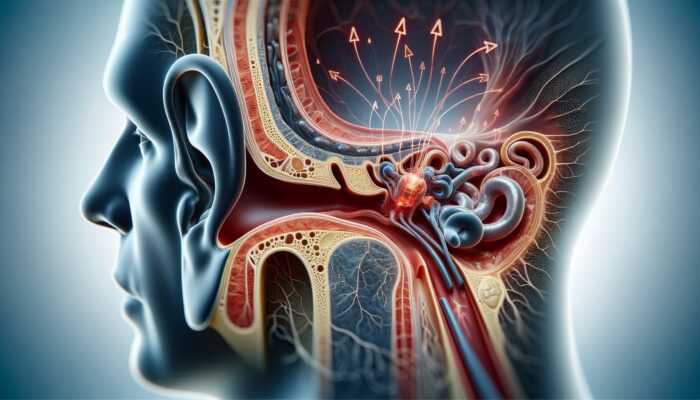
The ear operates as a highly sophisticated organ, categorised into three main sections: the outer ear, the middle ear, and the inner ear. These sections, each with its distinctive yet interconnected purpose, collaboratively contribute to the hearing process. The outer ear comprises the pinna and the ear canal, which are expertly designed to capture sound waves and direct them toward the tympanic membrane, commonly referred to as the eardrum. This vital membrane vibrates in reaction to incoming sound waves, effectively transmitting these vibrations to the middle ear. Within the middle ear are three minuscule bones known as the ossicles—the malleus, incus, and stapes—which amplify these sound vibrations before conveying them to the inner ear.

In the inner ear, the cochlea is instrumental in translating sound vibrations into nerve impulses that the brain interprets. Moreover, the vestibular system plays a crucial role in maintaining balance. A comprehensive grasp of these anatomical components is fundamental in understanding how ear infections can emerge and affect ear health. The use of anatomical models or advanced 3D applications can significantly enhance the visualisation of these components, showcasing the pathway sound traverses through the ear. Recognising the spatial configuration and interrelation of these parts enriches our understanding of their vulnerability to infections, as any obstruction along these pathways may greatly amplify health issues.

How Does the Ear’s Design Protect Against Infections?

The design of the ear features several natural barriers and physiological mechanisms that work in unison to maintain ear health and prevent infections. The distinctive shape of the outer ear not only facilitates the efficient direction of sound waves but also serves as a protective barrier against foreign particles. The skin lining the ear canal secretes earwax, a natural protective agent that captures dust, debris, and microorganisms, thereby preventing them from invading the more delicate structures of the inner ear.

In addition, the Eustachian tube plays a vital role by linking the middle ear to the throat, aiding in pressure equalisation and promoting the drainage of fluids that could otherwise encourage bacterial proliferation. This anatomical configuration exemplifies evolutionary adaptations that have enabled organisms to develop mechanisms to avoid infections prevalent in their environments. Research indicates that the shape and function of ear structures, particularly the curvature of the ear canal, can significantly affect the likelihood of fluid accumulation, especially in children. This knowledge imparts broader insights about human anatomy and the critical importance of these adaptations in preserving ear health.

The Essential Role of Fluids in Supporting Ear Health

The presence of fluids in the ear is vital for sustaining ear health, regulating pressure, and safeguarding against harmful pathogens. Adequate levels of fluid ensure effective transmission of sound vibrations, whilst also facilitating the movement of the ossicles in the middle ear. This fluid acts as a barrier, preventing harmful microbes from penetrating deeper into the ear structures. The significance of fluid in the ear can be summarised through several crucial functions:

  • Pressure regulation: Maintains balance between the external environment and the middle ear.
  • Pathogen defence: Acts as a barrier to obstruct the entry of bacteria and viruses.
  • Sound transmission: Aids in the conduction of sound waves through vibration.
  • Fluid drainage: Facilitates the removal of waste and potential pathogens via the Eustachian tube.
  • Protection of delicate structures: Cushions and shields the inner ear components from possible damage.

Gaining an understanding of these fluid-related functions offers a comprehensive perspective on ear anatomy and highlights the interconnectedness of body systems. Any disruption to the balance of these fluids, whether due to infection, allergies, or anatomical variations, can lead to various ear complications. This reality underscores the necessity of maintaining ear fluid health through diligent care and attention.

What Factors Lead to the Development of Ear Infections?

What Are the Common Triggers That Initiate Ear Infections?

Ear infections generally occur when bacteria or viruses penetrate the protective barriers of ear structures. Common inciting factors include upper respiratory infections, seasonal allergies, or exposure to environmental hazards such as smoke or pollution. These triggers can instigate inflammation and swelling in the Eustachian tube, leading to blockages that trap fluid in the middle ear, thereby creating an ideal environment for pathogens to thrive.

When the ear’s anatomical defences are compromised—especially during cold and allergy seasons—the likelihood of ear infections significantly increases. This reality emphasises the intricate relationship between various bodily systems, including respiratory health and immune responses, in influencing ear health. By identifying these triggers, individuals can take proactive measures to protect their ear anatomy from infections, such as practising good hygiene and promptly addressing respiratory issues.

How Does an Ear Infection Spread Within the Ear?

Once an infection establishes itself, it can proliferate through the ear passages, affecting the outer, middle, and inner ear. The Eustachian tube often serves as the initial entry point for pathogens, enabling them to travel from the throat into the middle ear. This anatomical connection illustrates the interdependence of these systems and highlights how an infection in one area can affect others. As the infection advances, it may result in acute otitis media, a condition characterised by increased pressure, swelling, and pain due to fluid accumulation.

The anatomical closeness of the ear to other crucial structures, such as the sinuses and throat, underscores the interconnectedness of the human body. Infections can also trigger systemic immune responses, prompting the body to combat pathogens, which may lead to symptoms like fever or fatigue. This progression showcases the resilience of human anatomy and its capacity for adaptation, stressing the importance of understanding how infections spread to refine treatment and preventive strategies.

What Early Indicators Suggest the Onset of an Ear Infection?

Identifying early signs of an ear infection is crucial for ensuring timely intervention and treatment. Symptoms such as ear pain, irritability, and difficulty sleeping may often indicate that the body is responding to an infection. Children, particularly vulnerable to ear infections, might display signs of distress or frequently tug at their ears. Additional indicators include fluid drainage from the ear, changes in hearing, and fever—all of which signify that the ear’s anatomy is reacting to a potential infection.

The body’s anatomical responses to infection are instructive; they illustrate how the immune system mobilises to protect susceptible areas. For instance, inflammation increases blood flow to the affected region, delivering immune cells to combat pathogens. Understanding these early warning signs encourages individuals to seek medical attention promptly, fostering a proactive approach to ear health and highlighting the significance of anatomy in developing effective health monitoring practices.

Expert Insights on the Relationship Between Ear Infections and Ear Anatomy

How Do Symptoms of Ear Infections Manifest Physically?

Symptoms associated with ear infections, including pain, swelling, and inflammation, are direct manifestations of the body’s anatomical responses to invading pathogens. When bacteria or viruses infiltrate the ear, the immune system activates, prompting increased blood flow to the area and the release of inflammatory chemicals that induce pain and swelling. This response not only highlights the vulnerability of ear structures but also showcases the body’s remarkable ability to signal distress.

Real-world observations indicate that symptoms can vary based on an individual’s age and overall health. For instance, infants may show increased fussiness and feeding challenges, while adults might experience significant pain and temporary hearing loss. By analysing these symptom patterns, healthcare professionals can gain a better understanding of the anatomical stress points that infections impose on the ear, ultimately leading to improved diagnostic and treatment strategies aimed at alleviating symptoms and restoring ear function.

How Can Physical Signs of Infection Be Identified?

Physical signs of ear infections can be observed both externally and internally. Externally, redness or swelling around the ear may indicate an ongoing infection. Internally, healthcare providers can identify fluid accumulation behind the eardrum or perforations in the tympanic membrane through otoscopy. These observations underscore the critical importance of accurate diagnosis in comprehending the ear’s anatomy and its reactions to infection.

Identifying these signs is essential for effective treatment planning, as it helps differentiate between various infection types—such as otitis media or otitis externa—and informs the healthcare provider about the underlying anatomical issues contributing to the infection. Universal diagnostic principles, including visual inspection and patient history, remain invaluable tools for healthcare professionals globally, facilitating effective management of ear health.

Why Is Accurate Diagnosis of Ear Infections Essential?

Accurate diagnosis of ear infections is critical, as it illuminates the anatomical details that infections reveal. Misdiagnosis can lead to inappropriate treatments, prolonging discomfort and increasing the risk of further complications. By recognising the signs and symptoms, combined with a thorough understanding of ear anatomy, healthcare providers can differentiate between viral and bacterial infections, guiding informed treatment decisions.

Incorporating advanced diagnostic techniques, such as tympanometry and audiometry, can significantly improve diagnostic accuracy. These methods assess eardrum movement and hearing capacity, respectively, providing deeper insights into ear health. By emphasising the importance of accurate diagnosis, healthcare professionals can foster trust with patients, ensuring that appropriate interventions are implemented based on the specific anatomical needs of the individual.

Understanding Symptoms and Diagnostic Procedures for Ear Health

What Are the Fundamental Causes of Ear Infections?

Why Do Certain Factors Lead to Ear Infections?

Ear infections can emerge from a myriad of environmental, biological, and anatomical factors. Environmental triggers, such as exposure to allergens, smoke, or upper respiratory infections, can initiate a cascade of events leading to inflammation and blockage of the Eustachian tube. This blockage inhibits fluid drainage, creating a favourable environment for bacteria or viruses to proliferate.

Biological factors, including age and immune system status, significantly influence susceptibility to ear infections. Children, due to their developing immune systems and shorter Eustachian tubes, are particularly at risk. Understanding these connections reveals universal health patterns applicable across diverse populations, emphasising the importance of awareness surrounding risk factors and preventive measures to mitigate infection development.

How Does Anatomy Contribute to Differences in Infection Causes?

Anatomical differences among individuals can greatly affect the variability in the causes of ear infections. For instance, individuals with a more horizontal orientation of the Eustachian tube may experience higher rates of fluid accumulation and subsequent infections. Additionally, genetic factors can influence the sizes and shapes of ear structures, further impacting susceptibility to infections.

Moreover, variations in immune responses among different populations can lead to differing rates and outcomes of infections. Acknowledging these anatomical differences aids in tailoring prevention and treatment strategies, highlighting the importance of personalised medicine approaches based on an individual’s unique anatomy and health history.

How Can Awareness of Causes Aid in Prevention?

Being aware of the causes of ear infections is essential for effective prevention strategies. Individuals can adopt measures to minimise their risk based on anatomical insights. Simple practices, such as maintaining good hygiene, effectively managing allergies, and avoiding exposure to secondhand smoke, can substantially reduce the likelihood of developing infections.

Furthermore, educating parents and caregivers about recognising early symptoms and understanding the anatomical vulnerabilities of their children can empower them to take proactive measures. By integrating anatomical knowledge into everyday habits, individuals can create a healthier environment for their ears, thereby decreasing the incidence of infections.

Which Pathogens Commonly Trigger Ear Infections, and How Do They Operate?

The most frequent pathogens responsible for ear infections primarily include Streptococcus pneumoniae, Haemophilus influenzae, and Moraxella catarrhalis. These bacteria can invade the ear canal, typically following a respiratory infection, entering through the Eustachian tube. Additionally, viruses like rhinovirus and influenza can lead to inflammation and fluid retention, fostering an environment conducive to bacterial growth.

Understanding the mechanisms employed by these pathogens highlights the significance of comprehensive preventive measures. The effectiveness of vaccinations, such as the pneumococcal vaccine, along with diligent hygiene practices, can markedly impact ear health across various age groups. By fostering awareness about these pathogens and their transmission routes, individuals can navigate the complexities surrounding ear infections and implement strategies to protect their ear anatomy.

Research-Driven Insights on Ear Infections and Their Implications for Ear Anatomy

What Advantages Can Be Gained from Studying Ear Infections?

Investigating ear infections provides numerous advantages, including insights into anatomical adaptability and resilience. Research indicates that understanding how infections affect ear structures can lead to enhanced health practices and interventions. For example, recognising the anatomical alterations that occur during an infection can inform more effective treatment protocols and preventive strategies.

Additionally, studies demonstrate that individuals educated about their ear anatomy tend to be more proactive in managing their health, ultimately resulting in improved health outcomes. By exploring these connections, healthcare providers can devise more effective communication strategies that emphasise the importance of anatomy in understanding and preventing infections.

What Key Findings Have Emerged from Anatomical Research?

Anatomical research has revealed critical insights into how infections influence ear structures and functionality. For example, studies have shown that recurrent ear infections can lead to structural changes in the eardrum or ossicles, potentially resulting in chronic hearing problems. This information is crucial for developing effective interventions and monitoring long-term outcomes in patients.

Moreover, research into anatomical variations among populations can illuminate why certain groups experience higher rates of ear infections. Understanding these differences can facilitate tailored public health strategies that address the specific needs of communities, ultimately promoting better ear health for all.

How Can Research Benefits Be Applied to Everyday Life?

Integrating research findings into daily life can enhance ear health practices, emphasising the importance of anatomical understanding. Here are several evidence-backed strategies for maintaining ear health:

  • Regular check-ups: Frequent visits to healthcare providers can help monitor ear health and identify infections early.
  • Hygiene practices: Ensure proper ear hygiene by gently cleaning the outer ear and avoiding the use of cotton swabs, which can cause blockages and infections.
  • Vaccination: Staying current with vaccinations can help prevent respiratory infections that may lead to ear infections.
  • Allergy management: Effectively managing allergies through medication or avoidance strategies can reduce inflammation and fluid accumulation in the ears.
  • Educated parenting: Parents should educate themselves about their children’s ear anatomy to recognise symptoms early and seek medical help.

By implementing these strategies, individuals can reduce their risk of ear infections while deepening their understanding of how anatomy plays a vital role in their overall health.

What Evolutionary Insights Can Be Gained from Ear Infections?

Research into ear infections can reveal valuable evolutionary insights regarding human anatomy. For instance, studies have shown that certain genetic variations are associated with improved survival rates in diverse populations, highlighting how the human body has adapted to combat infections effectively. Understanding these evolutionary adaptations can inform our health and wellness approaches, illustrating the importance of resilience within human anatomy.

Moreover, insights into variations in immune response can lead to advancements in personalised medicine, tailoring treatments based on an individual’s genetic and anatomical characteristics. As we continue to explore ear infections and their implications, we may uncover further adaptations that contribute to our overall health and survival.

What Are the Future Directions for Anatomical Research on Infections?

Ongoing investigations into ear infections promise to broaden our understanding of anatomy and its implications for health. Advancements in imaging technologies and genomics may yield new insights into the structural and functional aspects of the ear, fostering innovative diagnostic tools. For instance, researchers are examining how detailed imaging can provide a clearer perspective on anatomical changes during infections, potentially enhancing treatment planning and effectiveness.

Furthermore, integrating genomic data may assist in identifying genetic predispositions to ear infections, paving the way for personalised preventive measures. By remaining at the forefront of anatomical research, healthcare providers can improve patient care and outcomes, ultimately promoting long-term ear health and wellness.

Implementing Effective Prevention and Care Strategies for Optimal Ear Health

What Daily Habits Contribute to Maintaining Optimal Ear Health?

Daily habits significantly influence ear health and the prevention of infections. Simple yet effective practices can safeguard the anatomy of the ear from potential harm. For example, practising good hygiene by washing hands frequently can prevent the spread of germs that lead to infections. Additionally, avoiding exposure to smoke and allergens can help minimise inflammation in the Eustachian tubes, thereby reducing the risk of blockages and fluid accumulation.

Incorporating ear-friendly practices, such as steering clear of excessively loud noises and using ear protection in noisy environments, is essential for maintaining long-term ear health. Staying hydrated and adhering to a balanced diet can also bolster the immune system, enhancing the body’s ability to fend off infections. By cultivating these daily habits, individuals can promote ear health and decrease susceptibility to infections.

How Does Hygiene Relate to Ear Anatomy?

Hygiene routines illustrate the connection between anatomical vulnerabilities and the prevention of ear infections. Regular cleaning of the outer ear can help eliminate earwax buildup, while avoiding the insertion of objects into the ear canal minimises damage to sensitive structures.

Key hygiene practices include:

  • Washing hands: Prevents the transfer of germs to the face and ears.
  • Cleaning the outer ear: Gently clean the ear using a damp cloth to avoid blockage and irritation.
  • Avoiding Q-tips: Reduces the risk of damaging the eardrum or pushing wax deeper into the ear.
  • Managing allergies: Regularly clean living spaces to reduce allergens that can lead to ear issues.

Understanding how these hygiene practices relate to ear anatomy empowers individuals to adopt preventive measures that effectively safeguard their ear health.

What Strategies Can Ensure Long-Term Prevention of Ear Infections?

Maintaining long-term ear health necessitates a commitment to prevention strategies grounded in anatomical insights gleaned from studying ear infections. Regular check-ups with healthcare providers can help monitor ear health over time, ensuring that potential problems are addressed swiftly.

Moreover, educating oneself and family members about ear anatomy and potential risks empowers proactive health decisions. Maintaining a balanced diet rich in essential vitamins and minerals can also support the immune system, providing a robust defence against infections. By fostering a lifelong commitment to ear health, individuals can minimise the risk of recurrent infections and enhance overall well-being.

How Can Knowledge of Anatomy Enhance Treatment Approaches?

What Treatments Specifically Target Ear Structures?

Treatments for ear infections utilise anatomical knowledge to effectively address infections. For instance, antibiotics are frequently prescribed for bacterial infections, targeting specific pathogens responsible for the illness. A comprehensive understanding of the ear’s anatomical layout enables healthcare providers to select the most appropriate treatment methods, ensuring that they target the infection at its source.

Additionally, treatments such as tympanostomy tubes can be employed for recurrent infections, facilitating better fluid drainage and alleviating pressure on the eardrum. This approach reflects a profound understanding of the ear’s anatomy and the particular issues that arise during infections. By leveraging this knowledge, treatment plans can be customised to meet the unique needs of each patient, ultimately improving recovery outcomes.

How Effective Are Various Therapies for Treating Ear Infections?

The effectiveness of different treatments for ear infections can vary based on individual anatomy and the nature of the infection. For example, in cases of acute otitis media, antibiotics may provide significant relief, alleviating symptoms and preventing complications. However, when the infection is viral, antibiotics may prove ineffective, underscoring the necessity of accurate diagnosis and understanding the underlying anatomical structures involved.

Alternative therapies, such as warm compresses or over-the-counter pain relievers, can offer symptomatic relief, demonstrating how non-invasive methods can assist the body’s natural healing processes. Evaluating treatment efficacy requires a thorough understanding of ear anatomy and the body’s responses to ensure optimal health outcomes.

How Can Treatment Progress Be Monitored Effectively?

Monitoring treatment progress is crucial for evaluating the effectiveness of interventions and understanding the anatomical healing processes. Regular follow-up appointments allow healthcare providers to examine the ear’s condition, ensuring that fluid is adequately draining and that signs of infection are subsiding.

Tracking improvements may involve assessing symptoms, conducting hearing tests, or employing imaging techniques to visualise changes in ear structures. Educating patients on what to expect during recovery can enhance their understanding of the anatomical healing process, fostering trust in their treatment plan and encouraging adherence to prescribed interventions.

Understanding the Long-Term Implications of Ear Infections

How Do Recurrent Infections Impact Ear Anatomy Over Time?

The long-term consequences of recurrent ear infections can result in lasting anatomical changes within the ear. Structures such as the eardrum and ossicles may sustain damage, leading to chronic hearing loss or other complications. Recognising these potential changes underscores the importance of timely intervention and effective treatment strategies.

Moreover, repeated infections can trigger adaptive responses in the body’s immune system, which may have both positive and negative implications for overall health. Acknowledging these long-term outcomes helps individuals make informed decisions regarding their ear health and emphasises the need for continuous monitoring and care.

What Role Does Recovery Play in Overall Health?

Recovery from ear infections provides valuable insights into the body’s anatomical adaptability. Following an infection, the ear structures often undergo a healing process that restores functionality. This remarkable recovery showcases the resilience of human anatomy and the body’s capability to adapt to various challenges.

It is essential for individuals to prioritise recovery strategies that support healing, such as avoiding further irritants and maintaining good hygiene. By understanding the recovery process, individuals can appreciate their anatomy’s capacity to heal and adapt, reinforcing the importance of proactive health measures in maintaining ear health.

What Lessons Can Be Drawn for Future Anatomical Studies?

Ear infections highlight the necessity for ongoing education regarding anatomy and its implications for health. As research continues to evolve, insights gained from studying infections can enhance our comprehension of human biology and inform future health practices.

By prioritising anatomical education and research, healthcare professionals and the general public can develop improved strategies for prevention and treatment, ultimately leading to better health outcomes across diverse populations. These lessons emphasise the interconnectedness of anatomy and health, paving the way for a more comprehensive approach to ear care and wellness.

What Are the Long-Term Effects of Ear Infections on the Immune Response?

Recurrent ear infections can have enduring implications for the immune system’s response. Long-term anatomical changes resulting from chronic infections may influence how the body reacts to future infections, potentially increasing susceptibility or altering immune responses.

Understanding these connections underscores the importance of ongoing health monitoring and proactive care. By fostering awareness of the long-term implications of ear infections, individuals can prioritise their ear health, ensuring that they maintain their immune system’s resilience and overall well-being.

Frequently Asked Questions About Ear Health

What Are the Primary Causes of Ear Infections?

Ear infections are primarily caused by bacteria or viruses that penetrate the ear, often following respiratory infections. Environmental factors such as allergies or exposure to smoke can also contribute to the development of infections.

How Can I Tell if My Child Has an Ear Infection?

Signs of an ear infection in children may include ear pain, irritability, difficulty sleeping, tugging at the ear, and fluid drainage. Observing these symptoms can assist in seeking prompt medical attention.

Are There Preventive Measures for Ear Infections?

Preventive measures include practising good hygiene, managing allergies, avoiding exposure to smoke, and staying current with vaccinations to minimise the risk of infections.

What Treatments Are Available for Ear Infections?

Treatments for ear infections may include antibiotics for bacterial infections, pain relievers, warm compresses, or tympanostomy tubes for recurrent cases, depending on the severity and type of infection.

How Do Ear Infections Affect Hearing?

Ear infections can lead to temporary hearing loss due to fluid buildup and inflammation, which may hinder the movement of the eardrum and ossicles. Prompt treatment typically restores hearing ability.

Can Ear Infections Lead to Long-Term Damage?

Yes, recurrent ear infections can cause long-term damage to ear structures, potentially resulting in chronic hearing loss or other complications. Early intervention is critical for preventing such outcomes.

Is It Safe to Use Cotton Swabs in the Ears?

Using cotton swabs in the ears is generally not recommended, as it can push earwax deeper and potentially harm the eardrum. Gently cleaning the outer ear is a safer alternative.

What Role Do Allergies Play in Ear Infections?

Allergies can lead to inflammation and blockage of the Eustachian tube, increasing the likelihood of fluid accumulation and subsequent ear infections. Effectively managing allergies can help reduce this risk.

How Can I Monitor My Ear Health at Home?

You can monitor your ear health by being attentive to any changes in hearing, pain, or fluid drainage. Regular check-ups with healthcare providers can also help maintain ear health and address any concerns.

Can Ear Infections Recur, and How Can I Prevent Them?

Yes, ear infections can recur, especially in children. Preventive strategies include practising good hygiene, managing allergies, and seeking timely medical attention for respiratory infections.

Join us on X today!

The post Ear Infections: Key Insights into Human Anatomy appeared first on The Microsuction Ear Wax Removal Network.
Categories
Ear Health Health & Wellness

Ear Infections: Essential Insights on Human Anatomy

Last Updated on 22/01/2026 by Admin

Explore the Intricate Anatomy of the Ear

What Key Elements Form the Anatomy of the Ear?

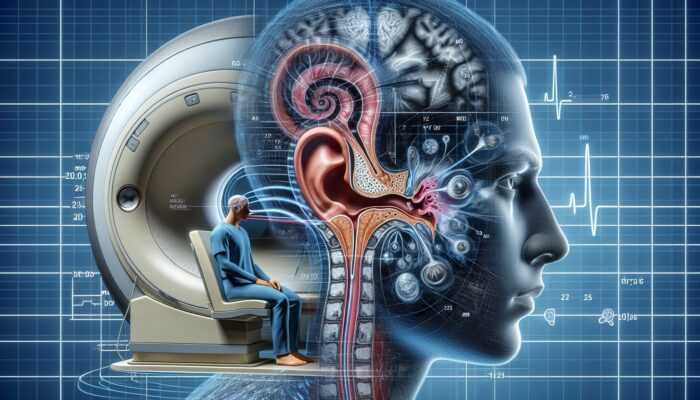
The ear serves as a remarkably complex organ, divided into three main sections: the outer ear, the middle ear, and the inner ear. Each section has its own distinct and interconnected role in the process of hearing. The outer ear comprises the pinna and the ear canal, which are specifically designed to capture sound waves and direct them towards the tympanic membrane, often referred to as the eardrum. When sound waves reach this membrane, it vibrates, transmitting these vibrations to the middle ear. In the middle ear, three tiny bones known as the ossicles—the malleus, incus, and stapes—amplify these sound vibrations before conveying them to the inner ear.

In the inner ear, the cochlea plays an essential role by transforming sound vibrations into nerve impulses that are sent to the brain for interpretation. Additionally, the vestibular system is crucial for maintaining balance. A comprehensive understanding of these anatomical structures is vital for discerning how ear infections can develop and impact ear health. Using anatomical models or sophisticated 3D applications can significantly enhance our ability to visualise these components, showcasing the pathway that sound follows through the ear. Recognising the spatial arrangement and interrelationship of these elements deepens our understanding of their vulnerability to infections, as any obstruction within these pathways can greatly exacerbate health issues.

How Does the Ear’s Design Prevent Infections?

The ear’s architectural design incorporates numerous natural barriers and physiological mechanisms that work in concert to protect ear health and prevent infections. The unique configuration of the outer ear not only facilitates the efficient capture of sound waves but also acts as a barrier against foreign debris. The inner walls of the ear canal are lined with skin that produces earwax, a natural protective substance that traps dust, dirt, and microorganisms, preventing them from entering the more delicate structures of the inner ear.

Furthermore, the Eustachian tube plays a pivotal role by linking the middle ear to the throat, assisting in pressure equalisation and enabling the drainage of fluids that could encourage bacterial growth. This anatomical arrangement exemplifies evolutionary adaptations that have enabled organisms to develop mechanisms for evading infections prevalent in their environments. Research indicates that the shape and function of ear structures, particularly the curvature of the ear canal, can significantly affect the propensity for fluid accumulation, especially in children. This understanding imparts broader lessons about human anatomy and underscores the vital importance of these adaptations in preserving ear health.

The Crucial Role of Fluids in Supporting Ear Health

The presence of fluids in the ear is vital for sustaining ear health, regulating pressure, and providing protection against harmful pathogens. Adequate fluid levels ensure effective transmission of sound vibrations and facilitate the movement of the ossicles within the middle ear. This fluid acts as a barrier, hindering harmful microbes from penetrating deeper into the ear structures. The significance of fluid in the ear can be understood through several key functions:

  • Pressure Regulation: Maintains equilibrium between the external environment and the middle ear.
  • Pathogen Defence: Acts as a barrier to prevent the entry of bacteria and viruses.
  • Sound Transmission: Aids in the conduction of sound waves through vibration.
  • Fluid Drainage: Facilitates the removal of waste and potential pathogens via the Eustachian tube.
  • Protection of Delicate Structures: Cushions and shields the inner ear components from possible damage.

Understanding these fluid-related functions provides a comprehensive view of ear anatomy and emphasises the interconnectedness of body systems. Any disruption in the balance of these fluids, whether caused by infections, allergies, or anatomical variations, can lead to various ear issues, highlighting the necessity of maintaining ear fluid health through careful attention and diligent care.

What Factors Contribute to the Development of Ear Infections?

What Common Triggers Initiate Ear Infections?

Ear infections commonly occur when bacteria or viruses breach the protective barriers of the ear structures. Frequent triggers include upper respiratory infections, seasonal allergies, or exposure to environmental hazards such as smoke or pollution. These factors can provoke inflammation and swelling in the Eustachian tube, leading to blockages that trap fluid in the middle ear, creating a conducive environment for pathogens to thrive.

When the ear’s anatomical defences are compromised—especially during cold and allergy seasons—the risk of ear infections significantly increases. This highlights the intricate relationship between various bodily systems, including respiratory health and immune responses, in influencing ear health. By identifying these triggers, individuals can take proactive steps to protect their ear anatomy from infections, such as practising good hygiene and promptly addressing respiratory issues.

How Does an Ear Infection Spread Within the Ear?

Once an infection establishes itself, it can proliferate through the ear passages, impacting the outer, middle, and inner ear. The Eustachian tube often serves as the primary entry point for pathogens, allowing them to travel from the throat into the middle ear. This anatomical connection underscores the interdependence of these systems and illustrates how an infection in one area can affect others. As the infection advances, it may lead to acute otitis media, a condition characterised by increased pressure, swelling, and pain due to fluid accumulation.

The anatomical proximity of the ear to other vital structures, such as the sinuses and throat, highlights the interconnectedness of the human body. Infections may also trigger systemic immune responses, prompting the body to combat pathogens, which can result in symptoms like fever or fatigue. This progression underscores the resilience of human anatomy and its adaptability, emphasising the need to comprehend how infections spread in order to refine treatment and preventive strategies.

What Early Indicators Suggest the Onset of an Ear Infection?

Identifying early signs of an ear infection is crucial for ensuring timely intervention and treatment. Symptoms such as ear pain, irritability, and difficulty sleeping can often signal that the body is responding to an infection. Children, who are particularly susceptible to ear infections, may exhibit signs of distress or frequently tug at their ears. Additional indicators include fluid drainage from the ear, changes in hearing, and fever—all of which indicate that the ear’s anatomy is reacting to a potential infection.

The body’s anatomical responses to infection provide valuable insights; they demonstrate how the immune system mobilises to protect vulnerable areas. For instance, inflammation serves to increase blood flow to the affected region, delivering immune cells to combat pathogens. Recognising these early warning signs encourages individuals to seek medical attention promptly, fostering a proactive approach to ear health and highlighting the importance of anatomy in developing effective health monitoring practices.

Expert Insights on the Relationship Between Ear Infections and Ear Anatomy

How Do Symptoms of Ear Infections Physically Manifest?

Symptoms associated with ear infections, including pain, swelling, and inflammation, are direct manifestations of the body’s anatomical responses to invading pathogens. When bacteria or viruses infiltrate the ear, the immune system kicks into action, prompting increased blood flow to the area and the release of inflammatory chemicals that lead to pain and swelling. This response not only highlights the vulnerability of ear structures but also showcases the body’s remarkable ability to signal distress.

Real-world observations reveal that symptoms often vary based on an individual’s age and overall health. For instance, infants may show increased fussiness and challenges with feeding, while adults might experience severe pain and temporary hearing loss. By analysing these symptom patterns, healthcare professionals can gain a clearer understanding of the anatomical stress points that infections impose on the ear, ultimately leading to improved diagnostic and treatment strategies designed to alleviate symptoms and restore ear function.

How Can Physical Signs of Infection Be Identified?

Physical signs of ear infections can be observed both externally and internally. Externally, redness or swelling around the ear may indicate an ongoing infection. Internally, through otoscopy, healthcare providers can detect fluid accumulation behind the eardrum or perforations in the tympanic membrane. These observations underscore the critical importance of accurate diagnosis in understanding the ear’s anatomy and its reactions to infection.

Identifying these signs is essential for effective treatment planning, as it aids in distinguishing between various types of infections—such as otitis media or otitis externa—and informs the healthcare provider about the underlying anatomical issues contributing to the infection. Universal diagnostic principles, such as visual inspection and patient history, remain invaluable tools for healthcare professionals globally, facilitating effective management of ear health.

Why Is Accurate Diagnosis of Ear Infections Critical?

Accurate diagnosis of ear infections is vital, as it reveals the anatomical details that infections expose. Misdiagnosis can lead to inappropriate treatments, prolonging discomfort and increasing the risk of further complications. By recognising the signs and symptoms, combined with a comprehensive understanding of ear anatomy, healthcare providers can differentiate between viral and bacterial infections, guiding informed treatment decisions.

Incorporating advanced diagnostic techniques, such as tympanometry and audiometry, can significantly enhance diagnostic precision. These methods assess eardrum movement and hearing capacity, respectively, providing deeper insights into ear health. By emphasising the significance of accurate diagnosis, healthcare professionals can cultivate trust with patients, ensuring that appropriate interventions are implemented based on the specific anatomical needs of the individual.

Identifying Symptoms and Diagnostic Procedures

What Are the Fundamental Causes of Ear Infections?

Why Do Certain Factors Lead to Ear Infections?

Ear infections can arise from a variety of environmental, biological, and anatomical factors. Environmental triggers, such as exposure to allergens, smoke, or upper respiratory infections, can initiate a cascade of events leading to inflammation and blockage of the Eustachian tube. This blockage hampers fluid drainage, creating a favourable environment for bacteria or viruses to proliferate.

Biological factors, including age and immune system status, significantly influence susceptibility to ear infections. Children, due to their developing immune systems and shorter Eustachian tubes, are particularly at risk. Understanding these connections reveals universal health patterns applicable across diverse populations, emphasising the importance of awareness concerning risk factors and preventive measures to mitigate the development of infections.

How Does Anatomy Influence the Variation in Infection Causes?

Anatomical differences among individuals can greatly affect the variation in the causes of ear infections. For example, individuals with a more horizontal orientation of the Eustachian tube may experience higher rates of fluid accumulation and subsequent infections. Additionally, genetic factors can influence the sizes and shapes of ear structures, further impacting susceptibility to infections.

Moreover, variations in immune response among different populations can lead to differing rates and outcomes of infections. Acknowledging these anatomical differences aids in tailoring prevention and treatment strategies, emphasising the importance of personalised medicine approaches based on an individual’s unique anatomy and health history.

How Can Awareness of Causes Assist in Prevention?

Being aware of the causes of ear infections is crucial for effective prevention. Individuals can adopt strategies to minimise their risk based on anatomical insights. Simple practices such as maintaining good hygiene, effectively managing allergies, and avoiding exposure to secondhand smoke can substantially reduce the likelihood of developing infections.

Furthermore, educating parents and caregivers about recognising early symptoms and understanding the anatomical vulnerabilities of their children can empower them to take proactive measures. By integrating anatomical knowledge into daily habits, individuals can foster a healthier environment for their ears, consequently decreasing the incidence of infections.

Which Pathogens Commonly Trigger Ear Infections and How Do They Operate?

Common pathogens responsible for ear infections primarily include Streptococcus pneumoniae, Haemophilus influenzae, and Moraxella catarrhalis. These bacteria can invade the ear canal, often following a respiratory infection, entering through the Eustachian tube. Additionally, viruses such as rhinovirus and influenza can lead to inflammation and fluid retention, fostering an environment conducive to bacterial growth.

Understanding the mechanisms employed by these pathogens highlights the importance of comprehensive preventive measures. The effectiveness of vaccinations, such as the pneumococcal vaccine, and diligent hygiene practices can significantly impact ear health across various age groups. By fostering awareness about these pathogens and their transmission routes, individuals can navigate the complexities surrounding ear infections and implement strategies to protect their ear anatomy.

Research-Driven Perspectives on What Ear Infections Reveal About Ear Anatomy

What Insights Can Be Gained From Studying Ear Infections?

Studying ear infections provides numerous advantages, including insights into anatomical adaptability and resilience. Research indicates that understanding how infections affect ear structures can lead to enhanced health practices and interventions. For instance, recognising the anatomical alterations that occur during an infection can inform more effective treatment protocols and preventive strategies.

Furthermore, studies demonstrate that individuals educated about their ear anatomy tend to be more proactive in managing their health, ultimately resulting in improved outcomes. By exploring these connections, healthcare providers can devise more effective communication strategies that emphasise the importance of anatomy in understanding and preventing infections.

What Are the Key Findings From Anatomical Research?

Anatomical research has unveiled critical insights into how infections influence ear structures and functionality. For example, studies have revealed that recurrent ear infections can lead to structural changes in the eardrum or ossicles, potentially resulting in chronic hearing problems. This information is crucial for developing effective interventions and monitoring long-term outcomes in patients.

Moreover, research into anatomical variations among populations can illuminate why certain groups experience higher rates of ear infections. Understanding these differences can facilitate tailored public health strategies that address the specific needs of communities, ultimately promoting better ear health for all.

How Can Research Findings Be Integrated Into Everyday Life?

Integrating research findings into everyday life can enhance ear health practices, emphasising the significance of anatomical understanding. Here are several evidence-based strategies for maintaining ear health:

  • Regular Check-Ups: Frequent visits to healthcare providers can help monitor ear health and identify infections early.
  • Hygiene Practices: Ensure proper ear hygiene by gently cleaning the outer ear and avoiding the use of cotton swabs, which can cause blockages and infections.
  • Vaccination: Staying current with vaccinations can help prevent respiratory infections that may lead to ear infections.
  • Allergy Management: Effectively managing allergies through medication or avoidance strategies can reduce inflammation and fluid accumulation in the ears.
  • Educated Parenting: Parents should educate themselves about their children’s ear anatomy to recognise symptoms early and seek medical help.

By implementing these strategies, individuals can reduce their risk of ear infections while deepening their understanding of how anatomy plays a vital role in their overall health.

What Evolutionary Insights Can Be Gathered From Ear Infections?

Research into ear infections can reveal valuable evolutionary insights regarding human anatomy. For instance, studies have shown that certain genetic variations are associated with improved survival rates in diverse populations, highlighting how the human body has adapted to combat infections effectively. Understanding these evolutionary adaptations can inform our health and wellness approaches, illustrating the importance of resilience within human anatomy.

Additionally, insights into variations in immune response can lead to advancements in personalised medicine, tailoring treatments based on an individual’s genetic and anatomical characteristics. As we continue to explore ear infections and their implications, we may uncover further adaptations that contribute to our overall health and survival.

What Are the Future Directions for Anatomical Research on Infections?

Ongoing investigations into ear infections promise to broaden our understanding of anatomy and its implications for health. Advancements in imaging technologies and genomics may yield new insights into the structural and functional aspects of the ear, fostering innovative diagnostic tools. For instance, researchers are examining how detailed imaging can provide a clearer perspective on anatomical changes during infections, potentially enhancing treatment planning and effectiveness.

Furthermore, integrating genomic data may assist in identifying genetic predispositions to ear infections, paving the way for personalised preventive measures. By remaining at the forefront of anatomical research, healthcare providers can improve patient care and outcomes, ultimately promoting long-term ear health and wellness.

Effective Strategies for Prevention and Care of Ear Health

What Daily Practices Contribute to Optimal Ear Health?

Daily habits significantly influence ear health and the prevention of infections. Simple yet effective practices can safeguard the anatomy of the ear from potential harm. For example, practising good hygiene by washing hands frequently can prevent the spread of germs that lead to infections. Additionally, avoiding exposure to smoke and allergens can help minimise inflammation in the Eustachian tubes, which reduces the risk of blockages and fluid accumulation.

Incorporating ear-friendly practices, such as steering clear of excessively loud noises and using ear protection in noisy environments, is essential for maintaining long-term ear health. Staying hydrated and adhering to a balanced diet can also bolster the immune system, enhancing the body’s ability to fend off infections. By cultivating these daily habits, individuals can promote ear health and decrease susceptibility to infections.

How Does Hygiene Relate to Ear Anatomy?

Hygiene routines illustrate the connection between anatomical vulnerabilities and the prevention of ear infections. Regular cleaning of the outer ear can help eliminate earwax buildup, while avoiding the insertion of objects into the ear canal minimises damage to sensitive structures.

Key hygiene practices include:

  • Washing Hands: Prevents the transfer of germs to the face and ears.
  • Cleaning the Outer Ear: Gently clean the ear using a damp cloth to avoid blockage and irritation.
  • Avoiding Q-Tips: Reduces the risk of damaging the eardrum or pushing wax deeper into the ear.
  • Managing Allergies: Regularly clean living spaces to reduce allergens that can lead to ear issues.

Understanding how these hygiene practices relate to ear anatomy empowers individuals to adopt preventive measures that effectively safeguard their ear health.

What Strategies Can Ensure Long-Term Prevention of Ear Infections?

Maintaining long-term ear health necessitates a commitment to prevention strategies grounded in anatomical insights gleaned from studying ear infections. Regular check-ups with healthcare providers can help monitor ear health over time, ensuring that potential problems are addressed promptly.

Moreover, educating oneself and family members about ear anatomy and potential risks empowers proactive health decisions. Maintaining a balanced diet rich in essential vitamins and minerals can also support the immune system, providing a robust defence against infections. By fostering a lifelong commitment to ear health, individuals can minimise the risk of recurrent infections and enhance overall well-being.

How Can Knowledge of Anatomy Improve Treatment Approaches?

What Treatments Specifically Target Ear Structures?

Treatments for ear infections leverage anatomical knowledge to effectively address infections. For instance, antibiotics are frequently prescribed for bacterial infections, targeting specific pathogens responsible for the illness. A comprehensive understanding of the ear’s anatomical layout enables healthcare providers to choose the most appropriate treatment methods, ensuring that they address the infection at its source.

Additionally, treatments such as tympanostomy tubes can be utilised for recurrent infections, facilitating better fluid drainage and alleviating pressure on the eardrum. This approach reflects a profound understanding of the ear’s anatomy and the specific issues that arise during infections. By leveraging this knowledge, treatment plans can be customised to meet the unique needs of each patient, ultimately improving recovery outcomes.

How Effective Are Various Therapies For Treating Ear Infections?

The effectiveness of different treatments for ear infections can vary based on individual anatomy and the nature of the infection. For example, in cases of acute otitis media, antibiotics may provide significant relief, alleviating symptoms and preventing complications. However, when the infection is viral, antibiotics may prove ineffective, underscoring the necessity of accurate diagnosis and understanding the underlying anatomical structures involved.

Alternative therapies, such as warm compresses or over-the-counter pain relievers, can offer symptomatic relief, demonstrating how non-invasive methods can assist the body’s natural healing processes. Evaluating treatment efficacy requires a thorough understanding of ear anatomy and the body’s responses to ensure optimal health outcomes.

How Can Treatment Progress Be Monitored Effectively?

Monitoring treatment progress is crucial for evaluating the effectiveness of interventions and understanding the anatomical healing processes. Regular follow-up appointments enable healthcare providers to examine the ear’s condition, ensuring that fluid is adequately draining and that signs of infection are diminishing.

Tracking improvements may involve assessing symptoms, conducting hearing tests, or employing imaging techniques to visualise changes in ear structures. Educating patients on what to expect during recovery can enhance their understanding of the anatomical healing process, fostering trust in their treatment plan and encouraging adherence to prescribed interventions.

Understanding the Long-Term Implications of Ear Infections

How Do Recurrent Infections Impact Ear Anatomy Over Time?

The long-term consequences of recurrent ear infections can lead to lasting anatomical changes within the ear. Structures such as the eardrum and ossicles may sustain damage, resulting in chronic hearing loss or other complications. Recognising these potential changes underscores the importance of timely intervention and effective treatment strategies.

Moreover, repeated infections can trigger adaptive responses in the body’s immune system, which may carry both positive and negative implications for overall health. Acknowledging these long-term outcomes helps individuals make informed decisions regarding their ear health and emphasises the necessity for continuous monitoring and care.

What Role Does Recovery Play in Overall Health?

Recovery from ear infections provides valuable insights into the body’s anatomical adaptability. Following an infection, the ear structures often undergo a healing process that restores functionality. This remarkable recovery showcases the resilience of human anatomy and the body’s capability to adapt to various challenges.

It is essential for individuals to prioritise recovery strategies that support healing, such as avoiding further irritants and maintaining good hygiene. By understanding the recovery process, individuals can appreciate their anatomy’s capacity to heal and adapt, reinforcing the importance of proactive health measures in maintaining ear health.

What Lessons Can Be Drawn for Future Anatomical Studies?

Ear infections highlight the necessity for ongoing education regarding anatomy and its implications for health. As research continues to evolve, insights gained from studying infections can enhance our comprehension of human biology and inform future health practices.

By prioritising anatomical education and research, healthcare professionals and the general public can develop improved strategies for prevention and treatment, ultimately leading to better health outcomes across diverse populations. These lessons emphasise the interconnectedness of anatomy and health, paving the way for a more comprehensive approach to ear care and wellness.

What Are the Long-Term Effects of Ear Infections on the Immune Response?

Recurrent ear infections can have enduring implications for the immune system’s response. Long-term anatomical changes resulting from chronic infections may influence how the body reacts to future infections, potentially increasing susceptibility or altering immune responses.

Understanding these connections underscores the importance of ongoing health monitoring and proactive care. By fostering awareness of the long-term implications of ear infections, individuals can prioritise their ear health, ensuring that they maintain their immune system’s resilience and overall well-being.

Frequently Asked Questions Regarding Ear Health

What Are the Primary Causes of Ear Infections?

Ear infections are primarily caused by bacteria or viruses that invade the ear, often following respiratory infections. Environmental factors such as allergies or exposure to smoke can also contribute to the development of infections.

How Can I Tell If My Child Has an Ear Infection?

Signs of an ear infection in children may include ear pain, irritability, difficulty sleeping, tugging at the ear, and fluid drainage. Observing these symptoms can assist in seeking prompt medical attention.

Are There Preventive Measures for Ear Infections?

Preventive measures include practising good hygiene, managing allergies, avoiding exposure to smoke, and staying current with vaccinations to minimise the risk of infections.

What Treatments Are Available for Ear Infections?

Treatments for ear infections may include antibiotics for bacterial infections, pain relievers, warm compresses, or tympanostomy tubes for recurrent cases, depending on the severity and type of infection.

How Do Ear Infections Affect Hearing?

Ear infections can lead to temporary hearing loss due to fluid accumulation and inflammation, which may hinder the movement of the eardrum and ossicles. Prompt treatment typically restores hearing ability.

Can Ear Infections Lead to Long-Term Damage?

Yes, recurrent ear infections can cause long-term damage to ear structures, potentially resulting in chronic hearing loss or other complications. Early intervention is critical for preventing such outcomes.

Is It Safe to Use Cotton Swabs in the Ears?

Using cotton swabs in the ears is generally not recommended, as it can push earwax deeper and potentially harm the eardrum. Gently cleaning the outer ear is a safer alternative.

What Role Do Allergies Play in Ear Infections?

Allergies can lead to inflammation and blockage of the Eustachian tube, increasing the likelihood of fluid accumulation and subsequent ear infections. Effectively managing allergies can help reduce this risk.

How Can I Monitor My Ear Health at Home?

You can monitor your ear health by being attentive to any changes in hearing, pain, or fluid drainage. Regular check-ups with healthcare providers can also help maintain ear health and address any concerns.

Can Ear Infections Recur, and How Can I Prevent Them?

Yes, ear infections can recur, especially in children. Preventive strategies include practising good hygiene, managing allergies, and seeking timely medical attention for respiratory infections.

Join us on X today!

The post Ear Infections: Key Insights into Human Anatomy appeared first on The Microsuction Ear Wax Removal Network.
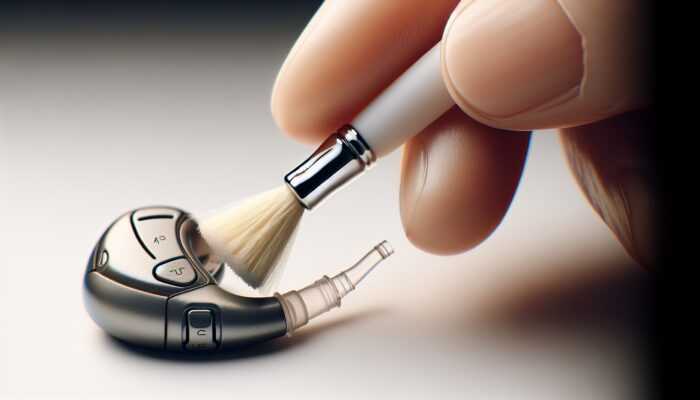
The post Ear Infections: Key Insights into Human Anatomy appeared first on Healthcare Marketing Service.

Categories
Health & Wellness Hearing Technology

Biometrics Revolutionise Hearing Aids: Key Innovations

Last Updated on 21/01/2026 by Admin

Maximising the Benefits of Biometrics in Hearing Aids

What are the core principles underpinning biometric technology?

The application of biometrics in hearing aids leverages unique user characteristics to deliver a highly tailored auditory experience that significantly boosts both comfort and functionality. By employing state-of-the-art sensors alongside advanced algorithms, these devices adjust to the user’s specific preferences, thus providing an optimal listening environment. This level of customisation revolutionises daily usage, transforming the way individuals interact with their surroundings. For instance, a hearing aid equipped with biometric technology can automatically modify its settings in a noisy restaurant versus a quiet library, allowing the wearer to engage in conversations without the inconvenience of constant manual adjustments.

The integration of biometrics not only enhances sound quality but also fosters a sense of security and confidence among users. Features that dynamically adjust sound frequencies and volume based on the user’s environment make hearing aids increasingly intuitive. This personalised approach particularly benefits those who find conventional hearing aids cumbersome due to the need for frequent manual tweaks. As a result, users enjoy enhanced clarity and comfort in their daily interactions, facilitating smoother and more enjoyable communication.

How has biometric technology advanced throughout the years?

The evolution of biometric technology within hearing aids has been remarkable, progressing from rudimentary sound amplification to sophisticated systems that deliver precise adjustments tailored to individual user needs. In the past, hearing aids merely amplified sound without accommodating the unique requirements of each user. Today’s models seamlessly integrate biometric functionalities, utilising real-time data to enhance sound clarity and reduce feedback. These technological advancements have made hearing aids significantly more intuitive and user-friendly. For example, contemporary devices can automatically adapt to diverse sound environments, ensuring users enjoy a clearer listening experience in various settings.

As technology continues to advance, hearing aids increasingly incorporate features such as machine learning algorithms. These algorithms evolve based on the user’s hearing preferences over time, allowing for even greater personalisation. This progression not only signifies technological innovation but also reflects a deeper understanding of user needs. With the advent of biometric technology, hearing aids have transformed from simple amplification devices into intelligent tools that anticipate and respond to user behaviours, vastly improving the overall auditory experience.

What essential components make up biometric systems in hearing aids?

Biometric systems integrated into hearing aids consist of several key components that collectively provide an exceptionally personalised auditory experience. These include:

  • Sensors for Biological Signals: These sensors monitor various physiological indicators, generating data that helps fine-tune sound settings based on immediate user feedback.
  • Heart Rate Trackers: By tracking heart rate, these devices can gauge a user’s stress levels, enabling the hearing aid to automatically switch to a calmer sound profile.
  • Voice Recognition: This technology allows the device to interpret specific speech patterns and user preferences, thereby enhancing clarity during conversations.
  • Environmental Sound Detection: The devices analyse background noise levels and adjust their settings accordingly, ensuring an optimal listening experience in varying surroundings.
  • Data Processing Algorithms: These algorithms scrutinise collected biometric data to make real-time adjustments, ensuring the hearing aid responds accurately to user requirements.
  • Connectivity Features: Integration with smartphones and other devices allows users to control their hearing aids remotely, enhancing personalisation and convenience.
  • Battery Monitoring Systems: These systems ensure the device remains powered, preventing interruptions in functionality.
  • Feedback Management Systems: They help reduce unwanted noise and feedback, ensuring a clearer audio experience.

By harnessing these components, hearing aids deliver improved sound quality and user comfort, making them more effective across various daily situations. This technological synergy is crucial for providing a seamless user experience, illustrating the transformative benefits of biometrics in auditory health.

What benefits do biometrics offer in hearing aids?

The incorporation of biometrics in hearing aids brings forth profound and diverse advantages. By facilitating personalised audio adjustments tailored to individual characteristics, biometrics significantly enhance sound quality and improve overall hearing outcomes. Users of biometric hearing aids often experience remarkable improvements in their daily lives. These devices effectively reduce background noise, allowing users to focus on conversations without distractions. This capability is particularly valuable in social settings or noisy environments, where traditional hearing aids may struggle.

Moreover, the comfort provided by biometric hearing aids is exceptional. Users no longer have to endure the discomfort associated with frequent manual adjustments or the frustration of unclear sounds. Instead, these devices automatically adapt to users’ environments and preferences, leading to higher satisfaction and improved hearing outcomes. This is especially important for elderly users who may find technology daunting; the user-friendly nature of biometric devices promotes independence in daily communication.

What challenges arise during the integration of biometrics in hearing aids?

The integration of biometrics into hearing aids presents several challenges that developers and manufacturers must navigate. One primary concern is ensuring robust data security and privacy. Given that biometric data is inherently sensitive, it is vital to protect it from potential breaches. Manufacturers must implement strong encryption methods and comply with privacy regulations to safeguard user information, thereby fostering trust in biometric technology.

Another significant hurdle involves managing variability in user biometrics. Each individual possesses unique physiological characteristics that can affect the efficacy of the hearing aid’s adjustments. Manufacturers must ensure that their devices can accurately interpret and respond to these variations. Additionally, optimising device battery life is crucial; biometric sensors often consume more power, so balancing feature-rich functionality with battery longevity is essential for user satisfaction.

Finally, maintaining accuracy across diverse environments can be complex. Users frequently transition between different settings, and the hearing aid must consistently adjust its settings without fail. Ongoing advancements in technology are necessary to address these challenges, ensuring that biometric hearing aids remain effective and user-friendly.

How Do Biometrics Enhance User Experience in Hearing Aids?

What factors contribute to increased comfort in hearing aids?

Numerous factors contribute to the elevated comfort that biometrics provide in hearing aids. One of the most significant is adaptive noise cancellation, which utilises biometric data to diminish discomfort caused by background noise. This feature allows users to engage in conversations effortlessly, as the hearing aid automatically adjusts its settings to focus on the speaker rather than surrounding sounds. For instance, in a bustling café, the device can effectively filter out the clatter of dishes and chatter, honing in on a friend’s voice.

Additionally, the personalisation process is crucial. Each user has distinct hearing preferences and requirements shaped by their own auditory experiences. Biometric hearing aids capture these preferences and modify audio settings accordingly, creating a more tailored and enjoyable user experience. This adaptability alleviates the strain often associated with wearing hearing aids, resulting in a more natural auditory experience.

Another important aspect is the comfort of wearing the device itself. Modern biometric hearing aids are engineered with ergonomics in mind, utilising materials and designs that promote long-term wearability. This feature is particularly vital for users who may be new to hearing aids or have had negative experiences in the past. By ensuring comfort alongside advanced technology, manufacturers can significantly enhance user satisfaction and encourage consistent use.

How do biometrics enhance daily functionality for users?

Biometrics play a pivotal role in enhancing daily functionality for hearing aid users by providing real-time data analysis to automatically adjust sound levels. As users engage in various activities throughout the day, these devices can seamlessly adapt sound settings. For instance, while attending a concert, the hearing aid can amplify the music while filtering out excessive noise, creating a pleasurable listening experience that closely mimics the live sound.

This real-time adaptability fosters independence, allowing users to navigate social situations with increased confidence. The ability to make swift adjustments means that users can concentrate on their interactions without the worry of fiddling with device settings. For those leading active lifestyles, this feature is invaluable; it supports smooth transitions between different auditory environments, such as moving from a busy street to a quiet office.

Furthermore, the integration of biometric data enables ongoing optimisation of the device’s performance. By continuously monitoring user engagement patterns and environmental cues, the hearing aid refines its settings over time. This not only enhances immediate functionality but also improves long-term user satisfaction, as the device becomes increasingly attuned to the user’s needs with each use.

How can user satisfaction be effectively measured?

User satisfaction with biometric hearing aids can be accurately assessed through biometric feedback loops that monitor engagement and responsiveness. These loops provide essential data, allowing manufacturers to evaluate how effectively their devices perform in real-world scenarios. By analysing metrics such as usage frequency and adjustment patterns, they can refine device performance to achieve optimal results.

Moreover, continuous tracking of user engagement helps to identify areas for improvement. For instance, if a particular feature shows low engagement, manufacturers can investigate whether it is due to user preferences or functionality issues. This feedback mechanism not only enhances device performance but also assures users that their experiences are valued. As manufacturers act on this data, they demonstrate a commitment to improving user satisfaction and fostering loyalty.

Additionally, user satisfaction can also be evaluated through surveys and direct feedback channels. Engaging users in discussions about their experiences allows manufacturers to gain insights into what works well and what does not. By combining biometric feedback with qualitative data, they can create a comprehensive understanding of user satisfaction, driving future innovations and enhancements in biometric hearing aids.

Expert Recommendations for Optimising Hearing Aids with Biometrics

What proactive measures should be taken for effective integration?

Integrating biometrics into hearing aids necessitates a systematic approach that begins with a thorough understanding of user needs. First, manufacturers must conduct comprehensive assessments to identify the specific requirements of their target demographic. This can include surveys, interviews, and trials that collect insights into user preferences, challenges, and expectations.

Next, ensuring the calibration of sensors is paramount. This involves meticulous procedures to guarantee that the biometric sensors accurately measure the user’s biological signals. By implementing stringent testing protocols, manufacturers can establish baseline metrics for sound adjustments. Regular calibration checks should be scheduled to maintain accuracy and reliability.

Furthermore, collaboration with audiologists and hearing health professionals can guide device development. By leveraging their expertise, manufacturers can gain insights into how biometric data can be effectively utilised to enhance auditory outcomes. This partnership ensures that the device meets not only technological standards but also addresses user needs and preferences. The collective knowledge contributes to an improved integration process, resulting in a device that is both effective and user-friendly.

What are the practical applications of advanced biometric features?

Real-world applications of advanced features in biometric hearing aids illustrate the transformative potential of this technology. For instance, in varied settings such as theatres and places of worship, biometric hearing aids can provide tailored experiences for users. By evaluating the acoustic properties of these environments, devices can automatically adjust to improve clarity while minimising distracting sounds.

Additionally, biometric data can drive customisation in everyday scenarios, such as during phone calls or virtual meetings. The hearing aid can recognise the user’s speech patterns and modify audio settings to ensure that voices are crystal clear, thereby enhancing communication quality. This level of personalisation is particularly beneficial for individuals who heavily rely on technology for social interactions.

Moreover, biometric features can facilitate improved interactions in group settings. In environments like conference rooms, these devices can differentiate between speakers and dynamically adjust sound levels, ensuring that all voices are heard clearly. Such advancements not only enhance the user experience but also promote inclusivity, allowing users to engage more fully in both social and professional situations.

What advantages are supported by specialist research?

Specialist research substantiates the assertion that biometrics significantly enhance outcomes for hearing aid users. Numerous studies have demonstrated that users of biometric hearing aids report improved clarity and diminished fatigue. This is particularly evident in high-stress environments where traditional hearing aids may struggle to filter noise effectively.

Researchers have also discovered that biometric hearing aids contribute to better overall auditory health. Continuous monitoring allows these devices to detect early signs of auditory decline, prompting users to seek medical advice or adjust their hearing strategies. By leveraging biometric data, manufacturers empower users to take proactive measures towards maintaining their hearing health.

Furthermore, the real-world experiences of users reinforce these findings. Many report a significant increase in their quality of life, as they can engage more actively in conversations and social interactions. This positive feedback loop between research findings and user experiences emphasises the effectiveness of biometrics in enhancing hearing aids, highlighting the importance of ongoing innovation in this field.

The Influence of Biometrics on Sound Customisation

How does personalisation improve sound quality in hearing aids?

Personalisation through biometrics greatly enhances sound quality by meticulously analysing user habits and preferences. Each individual possesses a unique auditory experience, influenced by factors such as age, lifestyle, and environmental contexts. Biometric hearing aids capture these intricacies, enabling tailored sound adjustments that result in clearer audio with minimal distortion. This customisation enhances the naturalness of the listening experience, making it feel more immersive.

For instance, users may have varying sound profile preferences depending on their activities. Someone attending a concert will require a vastly different audio experience compared to an individual conversing in a tranquil room. By utilising biometric data, hearing aids can automatically switch between these profiles, ensuring that users receive optimal sound quality for any situation. This adaptability not only enhances clarity but also reduces user fatigue, as they no longer need to strain to understand speech amid background noise.

Moreover, personalised sound adjustments based on biometrics empower users to engage more fully with their environments. This fosters confidence and encourages social interactions, ultimately improving the overall quality of life for users. As technology continues to advance, we can anticipate even more sophisticated sound customisation options driven by individual user data.

What is the process for integrating biometrics with existing hearing aids?

Integrating biometrics with existing hearing aid devices is fundamental to enhancing functionality and user experience. This process typically involves updating software to incorporate biometric inputs, enabling devices to adapt dynamically to user needs. For example, existing hearing aids can be retrofitted with biometric sensors, allowing them to utilise user data for real-time sound adjustments.

Furthermore, ensuring compatibility with a variety of operating systems and devices is essential for a seamless user experience. This integration can provide users with additional control through smartphone applications, allowing them to customise settings remotely based on their preferences. By creating a unified system that fuses biometric inputs with traditional hearing aid features, manufacturers can significantly enhance auditory performance and personalisation.

Additionally, manufacturers must prioritise user-friendly interfaces during the integration process. Ensuring that users can easily navigate settings and comprehend their device’s capabilities is critical for adoption. By focusing on simplicity alongside advanced features, hearing aids can cater to a broader range of users, including those who may be less technologically savvy. This holistic approach to integration not only enhances the functionality of hearing aids but also encourages greater user satisfaction.

What challenges arise in the customisation efforts of biometric hearing aids?

Overcoming challenges in the customisation efforts of biometric hearing aids is crucial for effective implementation. One major obstacle is the necessity for data accuracy. Biometric devices must reliably interpret physiological signals to provide dependable sound adjustments. Variability in user biometrics can influence the precision of these readings, making it essential for manufacturers to invest in high-quality sensors and algorithms.

Moreover, the gathering and interpretation of biometric data is a complex process. Devices must not only collect user data but also analyse it effectively to optimise sound settings. Continuous advancements in data processing technologies are critical to ensuring that manufacturers can deliver consistent and accurate performance. Regular updates and maintenance must be performed to ensure the ongoing effectiveness of biometric features.

Trust is another crucial factor in the customisation efforts. Users must feel assured that their biometric data is handled securely and responsibly. Manufacturers need to prioritise data privacy, ensuring compliance with regulations while fostering user trust. This emphasis on ethical data management can significantly enhance the efficacy of biometric customisation, ultimately leading to a more positive user experience.

What Advantages Does Biometrics Offer for Hearing Enhancements?

Why is adaptive technology important in hearing aids?

Adaptive technology in biometrics is essential because it enables hearing aids to respond promptly to environmental changes, improving accessibility for users. In environments where soundscapes can shift dramatically—from serene libraries to bustling streets—having devices that can automatically adjust reduces listening effort. This is particularly vital for individuals with hearing disabilities, who may find it challenging to adapt to different sound environments.

By leveraging biometric data, hearing aids can recognise when users are in noisier settings and adjust sound levels accordingly. This capability not only facilitates communication but also alleviates the stress associated with hearing difficulties. For instance, during a loud conversation at a social gathering, a biometric hearing aid can enhance speech frequencies while suppressing background noise, making interactions smoother and more enjoyable. Users can engage fully in conversations without feeling overwhelmed by their surroundings.

Furthermore, adaptive technology promotes greater independence for users. Instead of relying on others for adjustments, individuals can feel empowered to manage their hearing experience. This autonomy can significantly enhance quality of life, boosting confidence in social interactions and everyday activities. Overall, adaptive technology represents a significant advancement for hearing aids, making them more effective and user-friendly.

What long-term benefits do biometric hearing aids provide?

Biometric hearing aids deliver sustained advantages for long-term auditory health by continuously monitoring and adjusting to the user’s needs. One of the most significant benefits is the ability to detect early signs of auditory decline. By analysing biometric data over time, these devices can identify changes in hearing patterns, prompting users to seek medical advice or interventions sooner rather than later. This proactive approach can help prevent further deterioration of hearing ability, supporting overall well-being.

Additionally, the ongoing adaptability of biometric hearing aids ensures that users experience consistent enhancements in sound quality. As users engage with their devices, the technology learns their preferences and environmental challenges, refining its settings accordingly. This continuous feedback loop not only improves user satisfaction but also encourages long-term attachment to the device. Users are more likely to rely on a device that consistently meets their evolving needs.

Moreover, the integration of biometric features often results in reduced fatigue for users. By automatically adjusting to different environments, these devices alleviate the cognitive load associated with manual adjustments, allowing users to focus on their interactions instead. As a result, users report feeling more engaged and less mentally exhausted, contributing to an improved quality of life.

How do biometric features compare to traditional hearing aids?

Biometric features surpass traditional hearing aids by providing real-time enhancements that significantly elevate user experiences. Traditional hearing aids generally rely on fixed settings that do not adapt dynamically to changing environments, often leaving users struggling to hear in specific situations. In contrast, biometric hearing aids employ sensors to capture user data, allowing them to adjust sound profiles on-the-fly based on real-time conditions.

For example, in a crowded restaurant, while traditional aids may amplify all sounds indiscriminately, biometric hearing aids can filter and prioritise the voices of conversation partners, enhancing clarity and focus. This targeted enhancement is essential for users who wish to actively participate in social environments without feeling overwhelmed by background noise.

Moreover, biometric hearing aids often feature functionalities that enhance user engagement, such as personalised audio adjustments based on individual preferences and activities. These enhancements lead to a more enjoyable and fulfilling experience compared to traditional aids, which may feel cumbersome and less intuitive. Users are more likely to adopt and consistently use devices that offer seamless integration into their lifestyles, highlighting the advantages of biometric technology in hearing aids.

Research-Backed Evidence on the Advantages of Biometrics in Hearing Aids

What expert analysis reveals about performance metrics?

Expert analysis indicates that biometrics significantly enhance performance metrics in hearing aids, particularly in sound processing speed and clarity. By utilising advanced algorithms, these devices can process auditory information much more swiftly than traditional models, ensuring users experience minimal latency when adapting to their environments. This rapid processing is crucial in dynamic settings, where sound conditions can change abruptly.

Furthermore, manufacturers can leverage biometric feedback to identify specific areas for enhancement. By analysing user interaction data, they can discern which features are most effective and where adjustments are necessary. For example, if users frequently modify the settings during social interactions, it may suggest that the device needs to be more responsive to varying sound conditions. By focusing on these metrics, manufacturers can continuously refine their products, guaranteeing that users receive the best possible experience.

Additionally, incorporating user feedback loops into performance assessments fosters more personalised refinements. This strategy empowers developers to create devices that not only meet baseline performance standards but also cater to individual user needs. The ongoing evaluation of performance metrics ensures that the technology remains relevant and effective, driving continuous improvement in hearing aid design and functionality.

What key findings emerge from studies on enhancements in hearing aids?

Research has consistently demonstrated that biometric features lead to improved outcomes for hearing aid users. Key findings indicate that individuals utilising biometric hearing aids experience enhanced clarity and reduced auditory fatigue. Studies show that these devices enable users to engage in conversations with greater ease, as they automatically filter out distracting background noise while amplifying relevant sounds. This functionality is particularly advantageous in crowded or noisy environments, where traditional hearing aids may struggle.

Moreover, studies have documented how biometric adjustments can enhance overall user satisfaction. Feedback from users highlights a considerable increase in their ability to participate fully in social interactions, ultimately enriching their quality of life. This positive feedback loop encourages ongoing development and innovation in biometric technology, ensuring that hearing aids become more effective and user-friendly over time.

Furthermore, the integration of biometric data into the design process fosters greater accessibility. Researchers emphasise the importance of creating devices that cater to diverse user needs and preferences. By leveraging findings from these studies, manufacturers can develop hearing aids that not only meet technological demands but also serve a broader range of users, promoting inclusivity and engagement.

What are the future implications for users of biometric hearing aids?

Future implications for users concerning biometric applications in hearing aids are substantial. As technology continues to evolve, we can anticipate even more sophisticated integrations of biometric features. For instance, upcoming advancements may include AI-driven algorithms capable of predicting user needs based on past behaviour and environmental cues, offering even greater customisation and adaptability.

Moreover, the potential for improved connectivity with other smart devices is on the horizon. Future hearing aids may seamlessly integrate with smartphones, home assistants, and other IoT devices, allowing for enhanced control and personalisation. This not only enriches the user experience but also opens up new avenues for social interaction and accessibility.

Additionally, as biometric technologies become more widespread, the cost of these innovations may decrease, making them accessible to a broader audience. This democratisation of advanced hearing aid technology has the potential to significantly improve auditory health across diverse populations, empowering more individuals to engage confidently in their daily lives.

How to Effectively Implement Biometrics in Hearing Aids?

What essential steps are necessary for a successful setup?

Establishing biometrics in hearing aids involves a systematic approach to ensure optimal performance. The initial step entails calibrating user data, which is crucial for customising the device to individual preferences. This calibration process involves gathering baseline metrics related to the user’s hearing abilities, preferences, and environmental challenges.

Following data collection, it is essential to implement robust algorithms that utilise this information for real-time adjustments. Manufacturers should develop user-friendly interfaces that allow users to input their settings easily. Once the initial setup is complete, users should be encouraged to test their devices in various environments to evaluate functionality and comfort.

Additionally, manufacturers must offer comprehensive user guides and support to facilitate the setup process. Training users on how to optimise their devices will lead to immediate improvements in responsiveness and personalised audio delivery. Ensuring that users feel confident in managing their devices is key to fostering long-term satisfaction and consistent use.

What common implementation barriers need to be overcome?

Addressing common implementation barriers is crucial for the successful integration of biometrics in hearing aids. One significant challenge is ensuring compatibility; not all hearing aids are designed to accommodate biometric sensors. Manufacturers must ensure that their devices can seamlessly incorporate these features, enabling users to fully leverage biometric capabilities. This may necessitate collaboration with tech partners to develop compatible hardware and software.

Another barrier is user resistance to new technology. Many users may feel intimidated by complex settings or concerned about data privacy. To overcome this, manufacturers should prioritise user education, providing clear instructions and support systems that ease the transition to using biometric features. Demonstrating the tangible benefits of these technologies will help build user trust and confidence.

Finally, ensuring reliable data management is essential. Developing systems to securely handle biometric data will help address privacy concerns. Transparent communication regarding how data is collected, stored, and used will foster trust among users, ultimately encouraging the adoption and long-term use of biometric hearing aids.

What processes should be implemented for testing and refining the system?

Regular testing and refinement of biometric hearing aids are vital for maintaining optimal performance. This involves establishing a set of testing protocols to assess device functionality and user satisfaction. Routine checks should include evaluating sensor accuracy, sound processing speed, and responsiveness to environmental changes.

  • Conduct user feedback sessions: Engaging with users regularly to gather insights about their experiences will inform necessary adjustments.
  • Monitor device performance metrics: Track how well the device adapts to varying environments to identify areas for improvement.
  • Schedule regular calibration checks: Ensuring sensors are correctly calibrated will maintain device accuracy and effectiveness.
  • Implement software updates: Regular updates can enhance performance, fixing any bugs and improving overall functionality.
  • Conduct field tests: Testing devices in real-world situations will provide valuable data on their performance and effectiveness.
  • Evaluate user engagement metrics: Analyzing how frequently and how users interact with features can indicate areas for enhancement.
  • Gather input from audiologists: Collaborating with hearing health professionals can provide insights into best practices and user needs.

Through this continuous feedback loop, manufacturers can ensure that hearing aids remain effective and user-friendly. The goal is to create a device that not only meets current demands but also anticipates future user needs, enhancing the overall auditory experience.

How to integrate biometrics with existing hearing aid systems?

Successfully integrating biometrics with existing hearing aid systems is essential for enhancing personalisation and improving user comfort. This process begins with linking biometric features to current device functionalities, such as sound processing and connectivity options. By creating a unified system, manufacturers can ensure that users experience seamless transitions between features, enhancing the overall user experience.

Moreover, ensuring that integration does not disrupt daily use is critical. Users should be able to operate their devices easily without feeling overwhelmed by new settings. This requires a focus on user-friendly design, ensuring that interfaces remain intuitive despite the addition of advanced features.

Additionally, collaboration with developers and industry partners can streamline the integration process. Sharing insights and best practices can lead to the creation of devices that not only meet market demands but also exceed user expectations. Ultimately, the goal is to create hearing aids that enhance personalisation, improve user comfort, and ensure adaptive performance without disrupting daily activities.

What steps should be taken to ensure security and privacy during biometric implementation?

Prioritising security and privacy in biometric implementation is crucial for fostering user confidence. Manufacturers must utilise robust encryption methods and secure authentication processes to protect sensitive biometric data from breaches. This proactive approach not only safeguards user information but also enhances overall trust in biometric technologies.

Additionally, manufacturers should comply with privacy regulations and standards, ensuring adherence to laws governing data protection. Transparency in how biometric data is collected, stored, and utilised is essential for building trust. Clear communication about these practices will empower users, allowing them to make informed decisions regarding their data.

Finally, providing users with options for data management and control can further enhance confidence in biometric implementations. Allowing users to choose how their data is utilised and offering features that enable them to delete or modify their data will foster a sense of security. By prioritising these aspects, manufacturers can support the long-term adoption of biometric hearing aids, ultimately leading to improved auditory health for users.

Emerging Trends in Biometric Hearing Technology

What innovative advancements are on the horizon?

Emerging innovations in biometric hearing technology are poised to revolutionise the market. One of the most anticipated advancements is the integration of AI-driven features that provide even greater customisation and efficiency. These features can analyse user behaviour and preferences in real-time, enabling devices to anticipate user needs and automatically adjust sound profiles.

Moreover, advancements in sensor technology will enhance the accuracy of biometric readings. As sensors become more sophisticated, they will capture a wider range of physiological signals, allowing for more nuanced adjustments to sound settings. This could lead to personalised audio experiences that fully cater to individual hearing profiles.

Furthermore, the potential for improved connectivity with smart home devices and other technologies is on the horizon. Future hearing aids may seamlessly integrate with various smart devices, enabling users to control their hearing aids through mobile apps, voice commands, and more. This interconnectivity will enhance the user experience and provide additional layers of convenience and functionality.

How might these trends affect user adoption?

These emerging trends have the potential to accelerate user adoption of biometric hearing aids. As technology advances, devices are becoming more intuitive and user-friendly, reducing the barriers that have historically hindered adoption. Enhanced customisation options and seamless integration with existing technologies will encourage more individuals to explore biometric hearing aids as a viable solution for their auditory needs.

Moreover, as awareness of the benefits of biometric technology grows, more users are likely to seek out these innovative solutions. Educational efforts highlighting the advantages of biometric hearing aids will play a crucial role in shaping perceptions and encouraging adoption. By showcasing real-world success stories and user experiences, manufacturers can inspire confidence in the efficacy of these devices.

Ultimately, as biometric hearing aids become increasingly accessible and appealing, we can expect to see a growing number of individuals embracing this technology. This shift towards greater adoption will enhance the overall market for hearing aids, leading to improved outcomes for users and more innovative solutions from manufacturers.

What ethical considerations must be addressed in the development of biometric technology?

Focusing on ethical considerations in biometric technology development is essential to ensure responsible advancements. As biometric hearing aids become more prevalent, manufacturers must prioritise user privacy and data security. Establishing ethical guidelines for data collection, storage, and usage will help protect users’ sensitive information and foster trust in the technology.

Moreover, developers must consider the implications of biometric data use and ensure that it is not exploited for unintended purposes. Transparent communication regarding how data is utilised will empower users to make informed decisions about their engagement with biometric technologies. Additionally, leveraging user consent mechanisms can further enhance transparency and trust.

As technology evolves, it is crucial for developers to engage with users and stakeholders in discussions about ethical considerations. By prioritising user perspectives and addressing their concerns, manufacturers can create products that align with ethical standards and foster positive societal impact. This commitment to ethical development is vital for ensuring that biometric hearing aids contribute positively to users’ lives while upholding their rights and dignity.

Frequently Asked Questions

What are biometric hearing aids?

Biometric hearing aids are advanced devices that utilise unique user traits, such as physiological signals, to customise sound profiles and enhance auditory experiences.

How do biometrics improve hearing aids?

Biometrics enhance hearing aids by providing real-time adjustments based on user data, resulting in personalised audio experiences, improved clarity, and reduced background noise.

What benefits are associated with personalised sound adjustments?

Personalised sound adjustments lead to better hearing outcomes, greater comfort, and increased user satisfaction by tailoring audio settings to individual preferences.

What challenges exist in the integration of biometric hearing aids?

Challenges include ensuring data security, managing battery life, and maintaining accuracy in various environments, which manufacturers must address for successful integration.

How do biometric hearing aids influence user comfort?

Biometric hearing aids enhance user comfort by minimising manual adjustments and providing adaptive noise cancellation, making everyday conversations more effortless.

Are biometric hearing aids user-friendly?

Yes, biometric hearing aids are designed to be user-friendly, allowing for seamless integration of advanced features without overwhelming the user.

What role do sensors play in biometric hearing aids?

Sensors monitor biological signals to make real-time sound adjustments, ensuring that hearing aids respond accurately to user needs and environmental changes.

Can biometric hearing aids assist in preventing hearing loss?

Yes, by continuously monitoring auditory health and providing proactive adjustments, biometric hearing aids can help prevent further auditory decline.

What does the future hold for biometric hearing technology?

The future of biometric hearing technology includes AI-driven features, improved sensor accuracy, and enhanced connectivity with smart devices, making hearing aids more intuitive and effective.

How can users ensure their data remains secure?

Users can ensure data security by selecting manufacturers that prioritise encryption, adhere to privacy regulations, and provide transparent data management practices.

Discover more on our X profile today!

The post Biometrics Boost Hearing Aids: Essential Innovations appeared first on The Microsuction Ear Wax Removal Network.

Categories
Hearing Devices Science & Technology

Biometrics Enhance Hearing Aids: Key Innovations Explained

Last Updated on 21/01/2026 by Admin

Harnessing the Power of Biometrics to Revolutionise Hearing Aids

What Underlies the Concept of Biometrics in Hearing Devices?

Biometrics in hearing aids capitalise on unique user characteristics to deliver a tailored auditory experience that significantly boosts both comfort and functionality. By employing state-of-the-art sensors alongside advanced algorithms, these devices adapt to the individual’s preferences, ensuring an optimal listening experience tailored to their specific needs. This remarkable level of customisation not only enhances day-to-day usability but also dramatically alters how users interact with their environment. For instance, hearing aids equipped with biometric technology can automatically adjust settings in a lively restaurant compared to a quiet library, allowing the user to participate in conversations effortlessly without the burden of frequent manual adjustments.

The introduction of biometric features not only improves sound quality but also instils a sense of confidence in users. With capabilities to adjust sound frequencies and volume based on the user’s environment, hearing aids become increasingly intuitive. This tailored approach is particularly beneficial for individuals who find traditional hearing aids cumbersome due to the necessity of constant manual adjustments. As a result, users enjoy improved clarity and comfort throughout their daily interactions, making communication not only smoother but also more pleasurable.

How Has the Evolution of Biometric Technology Progressed Over the Years?

The advancement of biometric technology in hearing aids has been remarkable, transitioning from simple sound amplification to sophisticated systems that provide precise adjustments tailored to the needs of the user. Initially, hearing aids focused solely on amplifying sound without considering the unique requirements of each individual. Today’s models seamlessly incorporate biometric features, using real-time data to enhance sound clarity and reduce feedback. These innovations have made hearing aids far more intuitive and user-friendly. For example, modern devices can automatically adjust to changing sound environments, delivering clearer audio across various settings.

As technology continues to evolve, hearing aids are increasingly integrating features such as machine learning algorithms. These algorithms adapt based on the user’s hearing preferences over time, allowing for even greater levels of personalisation. This transformation not only reflects technological progress but also demonstrates a deeper understanding of user requirements. With biometric technology, hearing aids have shifted from being mere amplification devices to intelligent instruments that anticipate and respond to user behaviours, significantly enhancing the overall auditory experience.

What Are the Essential Components of Biometric Systems in Hearing Aids?

Biometric systems in hearing aids comprise several key components that work together to provide a highly tailored auditory experience. These components include:

  • Sensors for Biological Signals: These sensors track physiological indicators, generating data to refine sound settings based on real-time user feedback.
  • Heart Rate Trackers: Monitoring heart rate can reveal a user’s stress levels, enabling the hearing aid to automatically switch to a calmer sound profile.
  • Voice Recognition: This technology helps the device comprehend specific speech patterns and user preferences, improving clarity during conversations.
  • Environmental Sound Detection: Devices can assess background noise levels and adjust their settings accordingly, ensuring an optimal listening experience across diverse environments.
  • Data Processing Algorithms: These algorithms analyse the biometric data collected to make real-time adjustments, ensuring the hearing aid meets user needs accurately.
  • Connectivity Features: Integration with smartphones and other devices allows users to control their hearing aids remotely, enhancing personalisation and convenience.
  • Battery Monitoring Systems: These systems ensure the device remains powered, preventing interruptions in functionality.
  • Feedback Management Systems: These systems assist in reducing unwanted noise and feedback, ensuring a clearer audio experience.

By harnessing these components, hearing aids can deliver superior sound quality and user comfort, enhancing their effectiveness in a wide range of daily scenarios. This technological synergy is vital for creating a seamless user experience, showcasing the transformative potential of biometrics in auditory health.

What Benefits Do Biometrics Bring to Hearing Aids?

The integration of biometrics into hearing aids provides numerous and profound benefits. By facilitating personalised audio adjustments tailored to individual traits, biometrics significantly enhance sound quality and improve hearing outcomes. Users of biometric hearing aids experience remarkable improvements in their everyday lives. These devices are adept at minimising background noise, allowing users to focus on conversations without distractions. This feature is especially advantageous in social settings or noisy environments, where traditional hearing aids may struggle.

Moreover, the comfort offered by biometric hearing aids is exceptional. Users no longer have to endure the discomfort associated with frequent manual adjustments or the frustration of unclear sounds. Instead, these devices automatically adapt to the user’s environment and preferences, resulting in higher satisfaction and improved overall hearing outcomes. This is particularly crucial for elderly users who might find technology intimidating; the user-friendly nature of biometric devices fosters independence in daily communication.

What Challenges Are Encountered When Integrating Biometrics into Hearing Aids?

The integration of biometrics into hearing aids presents several challenges that developers and manufacturers must navigate. One of the foremost hurdles is ensuring robust data security and privacy. Given that biometric data is inherently sensitive, it is imperative to protect it from unauthorised access. Manufacturers need to implement strong encryption methods and comply with privacy regulations to safeguard user information, thereby fostering trust in biometric technology.

Another significant challenge is managing the variability in user biometrics. Each individual has unique physiological characteristics, which can affect the efficacy of the hearing aid’s adaptations. Manufacturers must ensure that their devices can accurately interpret and respond to these variations. Additionally, optimising device battery life is essential; biometric sensors often consume more power, so balancing feature-rich functionality with battery longevity is crucial for user satisfaction.

Finally, maintaining accuracy across diverse environments can be complex. Users frequently transition between various settings, and the hearing aid must consistently adjust its settings without fail. Ongoing advancements in technology are necessary to address these challenges, ensuring that biometric hearing aids remain effective and user-friendly.

In What Ways Do Biometrics Enhance User Experience in Hearing Aids?

What Aspects Contribute to Improved Comfort in Hearing Aids?

Many aspects contribute to the increased comfort that biometrics provide in hearing aids. One of the most significant is adaptive noise cancellation, which uses biometric data to alleviate discomfort caused by background noise. This functionality allows users to engage in conversations effortlessly, as the hearing aid automatically adjusts its settings to focus on the speaker rather than surrounding sounds. For instance, in a bustling café, the device can filter out the noise of clattering dishes and chatter, honing in on a friend’s voice.

Furthermore, the personalisation process is critical. Each user has unique hearing preferences and requirements shaped by their individual auditory experiences. Biometric hearing aids capture these preferences and adjust audio settings accordingly, creating a more tailored and enjoyable user experience. This adaptability eases the strain often associated with wearing hearing aids, leading to a more natural auditory experience.

Another crucial factor is the comfort of wearing the device itself. Modern biometric hearing aids prioritise ergonomics, utilising materials and designs that support long-term wear. This aspect is particularly vital for users who may be new to hearing aids or who have had negative experiences in the past. By ensuring comfort alongside advanced technology, manufacturers can significantly enhance user satisfaction and encourage consistent use.

How Do Biometrics Improve Daily Functionality for Users?

Biometrics play a pivotal role in enhancing the daily functionality of hearing aid users by providing real-time data analysis to automatically adjust sound levels. As users engage in various activities throughout the day, these devices seamlessly adapt their sound settings. For instance, while attending a concert, the hearing aid can amplify the music while filtering out excessive noise, creating a pleasurable listening experience that mimics the live sound.

This capability for real-time adaptability fosters independence, allowing users to navigate social situations with greater confidence. The ability to make swift adjustments means that users can concentrate on their interactions rather than worrying about fiddling with device settings. For those leading active lifestyles, this feature is invaluable; it supports smooth transitions between different auditory environments, such as moving from a busy street to a quiet office.

Moreover, the incorporation of biometric data facilitates ongoing optimisation of the device’s performance. By continuously monitoring user engagement patterns and environmental cues, the hearing aid fine-tunes its settings over time. This not only enhances immediate functionality but also improves long-term user satisfaction, as the device becomes increasingly attuned to the user’s needs with each use.

How Can User Satisfaction Be Effectively Gauged?

User satisfaction with biometric hearing aids can be accurately assessed through biometric feedback loops that monitor engagement and responsiveness. These loops provide vital data, allowing manufacturers to evaluate how effectively their devices perform in real-world scenarios. By analysing metrics such as usage frequency and adjustment patterns, they can refine device performance to achieve optimal results.

Furthermore, continuous tracking of user engagement helps identify areas for improvement. For instance, if a particular feature shows low engagement, manufacturers can investigate whether this is due to user preferences or functionality issues. This feedback mechanism not only enhances device performance but also assures users that their experiences are valued. As manufacturers act on this data, they demonstrate a commitment to improving user satisfaction and fostering loyalty.

Additionally, user satisfaction can also be evaluated through surveys and direct feedback channels. Engaging users in discussions about their experiences allows manufacturers to gain insights into what works well and what does not. By combining biometric feedback with qualitative data, they can establish a comprehensive understanding of user satisfaction, driving future innovations and enhancements in biometric hearing aids.

Expert Strategies for Optimising Hearing Aids with Biometrics

What Practical Steps Should Be Taken for Effective Integration?

The successful integration of biometrics into hearing aids necessitates a systematic methodology that begins with a comprehensive understanding of user needs. Manufacturers must conduct thorough assessments to identify the specific requirements of their target demographic. This can include surveys, interviews, and trials that gather insights into user preferences, challenges, and expectations.

Next, ensuring the calibration of sensors is crucial. This involves meticulous procedures to guarantee that the biometric sensors accurately measure the user’s biological signals. By implementing stringent testing protocols, manufacturers can establish baseline metrics for sound adjustments. Regular calibration checks should also be scheduled to maintain accuracy and reliability.

Moreover, collaborating with audiologists and hearing health professionals can significantly inform device development. By leveraging their expertise, manufacturers can gain valuable insights into how biometric data can be effectively utilised to enhance auditory outcomes. This partnership ensures that the device meets both technological standards and user needs and preferences. The collective knowledge contributes to an improved integration process, resulting in a device that is both effective and user-friendly.

What Are the Real-World Applications of Advanced Biometric Features?

Real-world applications of advanced features in biometric hearing aids illustrate the transformative potential of this technology. For example, in diverse settings such as theatres and places of worship, biometric hearing aids can offer users tailored experiences. By assessing the acoustic properties of these environments, devices can automatically adjust to enhance clarity while minimising distracting sounds.

Moreover, biometric data can drive customisation in everyday scenarios, such as during phone calls or virtual meetings. The hearing aid can recognise the user’s speech patterns and modify audio settings to ensure that voices are crystal clear, thereby elevating communication quality. This level of personalisation is particularly beneficial for individuals who rely heavily on technology for social interactions.

Furthermore, biometric features can facilitate improved interactions in group settings. In environments such as conference rooms, these devices can distinguish between speakers and dynamically adjust sound levels, ensuring that all voices are heard clearly. Such advancements not only enhance the user experience but also promote inclusivity, allowing users to engage more fully in both social and professional settings.

What Evidence Do Specialists Provide Regarding the Benefits of Biometrics?

Research substantiates the assertion that biometrics significantly enhance outcomes for hearing aid users. Numerous studies demonstrate that users of biometric hearing aids report improved clarity and reduced fatigue. This becomes especially evident in high-stress environments where traditional hearing aids may struggle to filter noise effectively.

Researchers have also found that biometric hearing aids contribute to better overall auditory health. Continuous monitoring allows these devices to detect early signs of auditory decline, prompting users to seek medical advice or adjust their hearing strategies. By leveraging biometric data, manufacturers empower users to take proactive measures towards maintaining their hearing health.

Additionally, the real-world experiences of users reinforce these findings. Many report a marked improvement in their quality of life, as they can engage more actively in conversations and social interactions. This positive feedback loop between research findings and user experiences underscores the effectiveness of biometrics in enhancing hearing aids, highlighting the importance of ongoing innovation in this field.

The Influence of Biometrics on Sound Personalisation

How Does Personalisation Enhance Sound Quality in Hearing Aids?

Personalisation through biometrics significantly elevates sound quality by analysing user habits and preferences. Each individual possesses a unique auditory experience, shaped by factors such as age, lifestyle, and environmental contexts. Biometric hearing aids capture these intricacies, enabling tailored sound adjustments that yield clearer audio with minimal distortion. This customisation enhances the naturalness of the listening experience, making it feel far more immersive.

For example, users may have different sound profile preferences depending on their activities. Someone attending a concert will require a vastly different audio experience compared to an individual engaged in a conversation in a tranquil room. By utilising biometric data, hearing aids can automatically switch between these profiles, ensuring that users receive optimal sound quality for any situation. This adaptability not only enhances clarity but also reduces user fatigue, as they no longer need to strain to understand speech amidst background noise.

Moreover, personalised sound adjustments based on biometrics empower users to engage more fully with their surroundings. This fosters confidence and encourages social interactions, ultimately improving the overall quality of life for users. As technology continues to advance, we can anticipate even more sophisticated sound customisation options driven by individual user data.

What Is the Process for Integrating Biometrics with Current Hearing Aids?

Integrating biometrics with existing hearing aid devices is fundamental to enhancing functionality and user experience. This process typically entails updating software to incorporate biometric inputs, enabling devices to adapt dynamically to user needs. For example, existing hearing aids can be retrofitted with biometric sensors, allowing them to utilise user data for real-time sound adjustments.

Furthermore, ensuring compatibility with various operating systems and devices is essential for a seamless user experience. This integration can offer users additional control through smartphone applications, enabling them to customise settings remotely based on their preferences. By creating a unified system that merges biometric inputs with traditional hearing aid features, manufacturers can significantly enhance auditory performance and personalisation.

Additionally, manufacturers must prioritise user-friendly interfaces during the integration process. It is critical that users can easily navigate settings and comprehend their device’s capabilities. By focusing on simplicity alongside advanced features, hearing aids can cater to a broader range of users, including those who may be less technologically savvy. This holistic approach to integration not only enhances the functionality of hearing aids but also encourages greater user satisfaction.

What Challenges Emerge in Customisation Efforts for Biometric Hearing Aids?

Overcoming challenges in the customisation efforts of biometric hearing aids is essential for effective implementation. One major challenge is the necessity for data accuracy. Biometric devices must reliably interpret physiological signals to provide dependable sound adjustments. Variability in user biometrics can affect the precision of these readings, making it essential for manufacturers to invest in high-quality sensors and algorithms.

Moreover, gathering and interpreting biometric data is a complex process. Devices must not only collect user data but also analyse it effectively to optimise sound settings. Continuous advancements in data processing technologies are crucial to ensuring that manufacturers can deliver consistent and accurate performance. Regular updates and maintenance must be performed to ensure the ongoing effectiveness of biometric features.

Trust is another vital factor in the customisation efforts. Users must feel assured that their biometric data is handled securely and responsibly. Manufacturers need to prioritise data privacy, ensuring compliance with regulations while building user trust. This focus on ethical data management can significantly enhance the efficacy of biometric customisation, ultimately leading to a more positive user experience.

What Advantages Do Biometrics Offer for Hearing Enhancements?

Why Is Adaptive Technology Important in Hearing Aids?

Adaptive technology in biometrics is essential as it enables hearing aids to respond promptly to environmental changes, enhancing accessibility for users. In settings where soundscapes can shift dramatically—from quiet libraries to bustling streets—devices that can automatically adjust reduce listening effort. This is particularly vital for individuals with hearing disabilities, who may find it challenging to adapt to different sound environments.

By leveraging biometric data, hearing aids can recognise when users are in noisier settings and adjust sound levels accordingly. This capability not only facilitates communication but also alleviates the stress associated with hearing difficulties. For example, during a loud conversation at a social gathering, a biometric hearing aid can enhance speech frequencies while suppressing background noise, making interactions smoother and more enjoyable. Users can engage fully in conversations without feeling overwhelmed by their surroundings.

Furthermore, adaptive technology promotes greater independence for users. Instead of relying on others for adjustments, individuals can feel empowered to manage their hearing experience. This autonomy can significantly enhance quality of life, boosting confidence in social interactions and everyday activities. Overall, adaptive technology represents a significant advancement for hearing aids, making them more effective and user-friendly.

What Long-Term Benefits Do Biometric Hearing Aids Provide?

Biometric hearing aids offer sustained advantages for long-term auditory health by continuously monitoring and adjusting to the user’s needs. One of the most significant benefits is the capacity to detect early signs of auditory decline. By analysing biometric data over time, these devices can identify changes in hearing patterns, prompting users to seek medical advice or interventions sooner rather than later. This proactive approach can prevent further deterioration of hearing ability, supporting overall well-being.

Additionally, the ongoing adaptability of biometric hearing aids ensures that users experience consistent improvements in sound quality. As users engage with their devices, the technology learns their preferences and environmental challenges, refining its settings accordingly. This continuous feedback loop not only enhances user satisfaction but also encourages long-term attachment to the device. Users are more likely to rely on a device that consistently meets their evolving needs.

Moreover, the integration of biometric features often results in reduced fatigue for users. By automatically adjusting to different environments, these devices alleviate the cognitive load associated with manual adjustments, allowing users to focus on their interactions instead. Consequently, users report feeling more engaged and less mentally exhausted, contributing to an improved quality of life.

How Do Biometric Features Compare to Traditional Hearing Aids?

Biometric features surpass traditional hearing aids by delivering real-time enhancements that significantly elevate user experiences. Traditional hearing aids generally rely on fixed settings that do not adapt dynamically to changing environments, often leaving users struggling to hear in specific situations. In contrast, biometric hearing aids employ sensors to capture user data, allowing them to adjust sound profiles on-the-fly based on real-time conditions.

For instance, in a crowded restaurant, while traditional aids may amplify all sounds indiscriminately, biometric hearing aids can filter and prioritise the voices of conversation partners, enhancing clarity and focus. This targeted enhancement is vital for users who wish to actively participate in social environments without feeling overwhelmed by background noise.

Moreover, biometric hearing aids often feature functionalities that enhance user engagement, such as personalised audio adjustments based on individual preferences and activities. These enhancements lead to a more enjoyable and fulfilling experience compared to traditional aids, which may feel cumbersome and less intuitive. Users are more likely to adopt and consistently use devices that offer seamless integration into their lifestyles, highlighting the advantages of biometric technology in hearing aids.

Research-Backed Evidence on the Advantages of Biometrics in Hearing Aids

What Insights Do Experts Provide About Performance Metrics?

Expert analysis indicates that biometrics significantly enhance performance metrics in hearing aids, particularly regarding sound processing speed and clarity. By utilising advanced algorithms, these devices can process auditory information much more rapidly than traditional models, ensuring users experience minimal latency when adapting to their environments. This rapid processing is crucial in dynamic settings, where sound conditions can change abruptly.

Furthermore, manufacturers can leverage biometric feedback to identify specific areas for enhancement. By analysing user interaction data, they can discern which features are most effective and where adjustments are necessary. For example, if users frequently modify the settings during social interactions, it may suggest that the device needs to be more responsive to varying sound conditions. By focusing on these metrics, manufacturers can continuously refine their products, ensuring users receive the best possible experience.

Additionally, incorporating user feedback loops into performance assessments fosters more personalised refinements. This strategy empowers developers to create devices that not only meet baseline performance standards but also cater to individual user needs. The ongoing evaluation of performance metrics ensures that the technology remains relevant and effective, driving continuous improvement in hearing aid design and functionality.

What Key Findings Emerge from Studies on Enhancements in Hearing Aids?

Research consistently demonstrates that biometric features lead to improved outcomes for hearing aid users. Key findings indicate that individuals using biometric hearing aids experience enhanced clarity and reduced auditory fatigue. Studies show that these devices enable users to engage in conversations with greater ease, as they automatically filter out distracting background noise while amplifying relevant sounds. This functionality is particularly advantageous in crowded or noisy environments, where traditional hearing aids may struggle.

Moreover, studies have documented how biometric adjustments can improve overall user satisfaction. Feedback from users highlights a considerable increase in their ability to participate fully in social interactions, ultimately enriching their quality of life. This positive feedback loop encourages ongoing development and innovation in biometric technology, ensuring that hearing aids become more effective and user-friendly over time.

Furthermore, the incorporation of biometric data into the design process fosters greater accessibility. Researchers emphasise the importance of creating devices that cater to diverse user needs and preferences. By leveraging findings from these studies, manufacturers can develop hearing aids that not only meet technological demands but also serve a broader range of users, promoting inclusivity and engagement.

What Future Implications Exist for Users of Biometric Hearing Aids?

Future implications for users regarding biometric applications in hearing aids are substantial. As technology continues to evolve, we can expect even more sophisticated integrations of biometric features. For instance, upcoming advancements may include AI-driven algorithms capable of predicting user needs based on past behaviour and environmental cues, offering even greater customisation and adaptability.

Moreover, the potential for improved connectivity with other smart devices is on the horizon. Future hearing aids may seamlessly integrate with smartphones, home assistants, and other IoT devices, allowing for enhanced control and personalisation. This not only enriches the user experience but also opens new avenues for social interaction and accessibility.

Additionally, as biometric technologies become more widespread, the costs associated with these innovations may decrease, making them accessible to a broader audience. This democratization of advanced hearing aid technology has the potential to significantly improve auditory health across diverse populations, empowering more individuals to engage confidently in their daily lives.

How to Effectively Implement Biometrics in Hearing Aids?

What Steps Are Necessary for a Successful Setup?

Establishing biometrics in hearing aids involves a systematic approach to ensure optimal performance. The initial step entails calibrating user data, which is crucial for customising the device to individual preferences. This calibration process involves gathering baseline metrics related to the user’s hearing abilities, preferences, and environmental challenges.

Following data collection, it is essential to implement robust algorithms that utilise this information for real-time adjustments. Manufacturers should develop user-friendly interfaces that allow users to input their settings easily. Once the initial setup is complete, users should be encouraged to test their devices in various environments to evaluate functionality and comfort.

Additionally, manufacturers must provide comprehensive user guides and support to facilitate the setup process. Training users on how to optimise their devices will lead to immediate improvements in responsiveness and personalised audio delivery. Ensuring that users feel confident in managing their devices is key to fostering long-term satisfaction and consistent use.

What Common Implementation Barriers Need to Be Overcome?

Addressing common implementation barriers is crucial for the successful integration of biometrics into hearing aids. One significant challenge is ensuring compatibility; not all hearing aids are designed to accommodate biometric sensors. Manufacturers must ensure that their devices can seamlessly incorporate these features, enabling users to fully leverage biometric capabilities. This may necessitate collaboration with technology partners to develop compatible hardware and software.

Another barrier is user resistance to new technology. Many users may feel intimidated by complex settings or concerned about data privacy. To overcome this, manufacturers should prioritise user education, providing clear instructions and support systems that ease the transition to using biometric features. Demonstrating the tangible benefits of these technologies will help build user trust and confidence.

Finally, ensuring reliable data management is essential. Developing systems to securely handle biometric data will help address privacy concerns. Transparent communication regarding how data is collected, stored, and used will foster trust among users, ultimately encouraging the adoption and long-term use of biometric hearing aids.

What Processes Should Be Implemented for Testing and Refining the System?

Regular testing and refinement of biometric hearing aids are vital for maintaining optimal performance. This involves establishing a set of testing protocols to assess device functionality and user satisfaction. Routine checks should include evaluating sensor accuracy, sound processing speed, and responsiveness to environmental changes.

  • Conduct user feedback sessions: Engaging with users regularly to gather insights about their experiences will inform necessary adjustments.
  • Monitor device performance metrics: Track how well the device adapts to varying environments to identify areas for improvement.
  • Schedule regular calibration checks: Ensuring sensors are correctly calibrated will maintain device accuracy and effectiveness.
  • Implement software updates: Regular updates can enhance performance, fixing any bugs and improving overall functionality.
  • Conduct field tests: Testing devices in real-world situations will provide valuable data on their performance and effectiveness.
  • Evaluate user engagement metrics: Analysing how frequently users interact with features can indicate areas for enhancement.
  • Gather input from audiologists: Collaborating with hearing health professionals can provide insights into best practices and user needs.

Through this continuous feedback loop, manufacturers can ensure that hearing aids remain effective and user-friendly. The goal is to create a device that not only meets current demands but also anticipates future user needs, enhancing the overall auditory experience.

How to Integrate Biometrics with Existing Hearing Aid Systems?

Successfully integrating biometrics with existing hearing aid systems is essential for enhancing personalisation and improving user comfort. This process begins with linking biometric features to current device functionalities, such as sound processing and connectivity options. By creating a unified system, manufacturers can ensure that users experience seamless transitions between features, enhancing the overall user experience.

Moreover, ensuring that integration does not disrupt daily use is critical. Users should be able to operate their devices easily without feeling overwhelmed by new settings. This requires a focus on user-friendly design, ensuring that interfaces remain intuitive despite the addition of advanced features.

Additionally, collaboration with developers and industry partners can streamline the integration process. Sharing insights and best practices can lead to the creation of devices that not only meet market demands but also exceed user expectations. Ultimately, the goal is to create hearing aids that enhance personalisation, improve user comfort, and ensure adaptive performance without disrupting daily activities.

What Steps Should Be Taken to Ensure Security and Privacy During Biometric Implementation?

Prioritising security and privacy in biometric implementation is crucial for fostering user confidence. Manufacturers must utilise robust encryption methods and secure authentication processes to protect sensitive biometric data from breaches. This proactive approach not only safeguards user information but also enhances overall trust in biometric technologies.

Additionally, manufacturers should comply with privacy regulations and standards, ensuring adherence to laws governing data protection. Transparency regarding how biometric data is collected, stored, and utilised is essential for building trust. Clear communication about these practices will empower users, allowing them to make informed decisions regarding their data.

Finally, providing users with options for data management and control can further enhance confidence in biometric implementations. Allowing users to choose how their data is utilised and offering features that enable them to delete or modify their data will foster a sense of security. By prioritising these aspects, manufacturers can support the long-term adoption of biometric hearing aids, ultimately leading to improved auditory health for users.

Emerging Trends in Biometric Hearing Technology

What Innovative Advancements Are on the Horizon?

Emerging innovations in biometric hearing technology are poised to revolutionise the market. One of the most anticipated advancements is the integration of AI-driven features that provide even greater customisation and efficiency. These features can analyse user behaviour and preferences in real-time, enabling devices to anticipate user needs and automatically adjust sound profiles.

Moreover, advancements in sensor technology will enhance the accuracy of biometric readings. As sensors become more sophisticated, they will capture a wider range of physiological signals, allowing for more nuanced adjustments to sound settings. This could lead to personalised audio experiences that fully cater to individual hearing profiles.

Furthermore, the potential for improved connectivity with smart home devices and other technologies is on the horizon. Future hearing aids may seamlessly integrate with various smart devices, enabling users to control their hearing aids through mobile apps, voice commands, and more. This interconnectivity will enhance the user experience and provide additional layers of convenience and functionality.

How Might These Trends Affect User Adoption?

These emerging trends have the potential to accelerate user adoption of biometric hearing aids. As technology advances, devices are becoming more intuitive and user-friendly, reducing the barriers that have historically hindered adoption. Enhanced customisation options and seamless integration with existing technologies will encourage more individuals to explore biometric hearing aids as a viable solution for their auditory needs.

Moreover, as awareness of the benefits of biometric technology grows, more users are likely to seek out these innovative solutions. Educational efforts highlighting the advantages of biometric hearing aids will play a crucial role in shaping perceptions and encouraging adoption. By showcasing real-world success stories and user experiences, manufacturers can inspire confidence in the efficacy of these devices.

Ultimately, as biometric hearing aids become increasingly accessible and appealing, we can expect to see a growing number of individuals embracing this technology. This shift towards greater adoption will enhance the overall market for hearing aids, leading to improved outcomes for users and more innovative solutions from manufacturers.

What Ethical Considerations Must Be Addressed in the Development of Biometric Technology?

Focusing on ethical considerations in the development of biometric technology is essential to ensure responsible advancements. As biometric hearing aids become more prevalent, manufacturers must prioritise user privacy and data security. Establishing ethical guidelines for data collection, storage, and usage will help protect users’ sensitive information and foster trust in the technology.

Moreover, developers must consider the implications of biometric data use and ensure that it is not exploited for unintended purposes. Transparent communication regarding how data is utilised will empower users to make informed decisions about their engagement with biometric technologies. Additionally, leveraging user consent mechanisms can further enhance transparency and trust.

As technology evolves, it is crucial for developers to engage with users and stakeholders in discussions about ethical considerations. By prioritising user perspectives and addressing their concerns, manufacturers can create products that align with ethical standards and foster positive societal impact. This commitment to ethical development is vital for ensuring that biometric hearing aids contribute positively to users’ lives while upholding their rights and dignity.

Frequently Asked Questions

What Are Biometric Hearing Aids?

Biometric hearing aids are advanced devices that utilise unique user characteristics, such as physiological signals, to customise sound profiles and enhance auditory experiences.

How Do Biometrics Improve Hearing Aids?

Biometrics enhance hearing aids by providing real-time adjustments based on user data, resulting in personalised audio experiences, improved clarity, and reduced background noise.

What Benefits Are Associated with Personalised Sound Adjustments?

Personalised sound adjustments lead to better hearing outcomes, greater comfort, and increased user satisfaction by tailoring audio settings to individual preferences.

What Challenges Exist in the Integration of Biometric Hearing Aids?

Challenges include ensuring data security, managing battery life, and maintaining accuracy in various environments, which manufacturers must address for successful integration.

How Do Biometric Hearing Aids Influence User Comfort?

Biometric hearing aids enhance user comfort by minimising manual adjustments and providing adaptive noise cancellation, making everyday conversations more effortless.

Are Biometric Hearing Aids User-Friendly?

Yes, biometric hearing aids are designed to be user-friendly, allowing for seamless integration of advanced features without overwhelming the user.

What Role Do Sensors Play in Biometric Hearing Aids?

Sensors monitor biological signals to make real-time sound adjustments, ensuring that hearing aids respond accurately to user needs and environmental changes.

Can Biometric Hearing Aids Assist in Preventing Hearing Loss?

Yes, by continuously monitoring auditory health and providing proactive adjustments, biometric hearing aids can help prevent further auditory decline.

What Does the Future Hold for Biometric Hearing Technology?

The future of biometric hearing technology includes AI-driven features, improved sensor accuracy, and enhanced connectivity with smart devices, making hearing aids more intuitive and effective.

How Can Users Ensure Their Data Remains Secure?

Users can ensure data security by selecting manufacturers that prioritise encryption, adhere to privacy regulations, and provide transparent data management practices.

Discover more on our X profile today!

The post Biometrics Boost Hearing Aids: Essential Innovations appeared first on The Microsuction Ear Wax Removal Network.
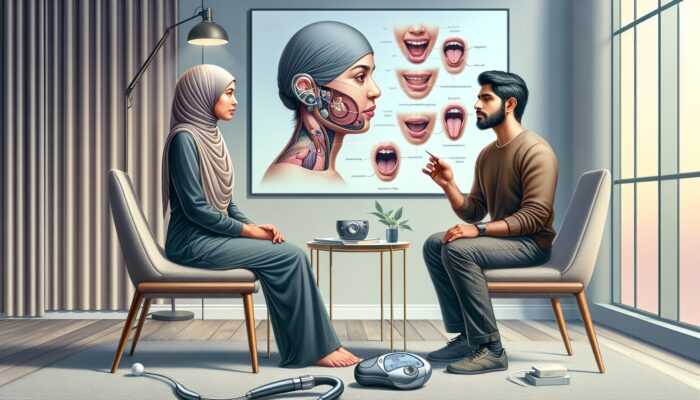
The post Biometrics Boost Hearing Aids: Essential Innovations appeared first on Healthcare Marketing Service.

Categories
Health & Wellness Hearing Solutions

Gene Therapy for Hearing Loss: Exploring New Horizons

Last Updated on 20/01/2026 by Admin

In-Depth Exploration of Gene Therapy for Hearing Loss

Understanding Hearing Loss and Its Significant Impact on Daily Life

Hearing loss represents a considerable global health challenge, impacting millions of individuals across various age demographics and cultural backgrounds. It encompasses a spectrum of conditions, ranging from mild hearing impairments to complete deafness. The aetiology of hearing loss can typically be categorised into congenital factors, where individuals are born with the condition, and acquired factors that develop progressively due to influences such as environmental exposures, aging, or trauma. A critical aspect of hearing loss involves cellular damage within the auditory system, particularly affecting the hair cells in the inner ear and the auditory nerve, which are essential for sound transmission.

Gene therapy presents a promising avenue for addressing this issue by specifically targeting the genetic mutations or dysfunctions that lead to these cellular impairments. By focusing on the molecular mechanisms involved, gene therapy aims to repair or replace the faulty genes responsible for hearing loss. For instance, particular forms of hearing loss caused by mutations in the GJB2 gene can greatly benefit from targeted gene therapy interventions. Actively tackling hearing loss also mitigates secondary complications such as cognitive decline or social isolation, highlighting the vital significance of this innovative treatment field.

Unpacking the Mechanisms Utilised in Gene Therapy

Gene therapy employs various pioneering strategies to effectively address the underlying causes of hearing loss. The main objective of gene therapy is to deliver corrected or therapeutic genes to the affected cells within the auditory system. This focused approach has the potential to restore functionality and improve auditory capabilities. Key techniques employed in gene therapy for hearing loss encompass the following:

  • Vector Delivery: Vectors, often engineered from viruses, are designed to carry therapeutic genes into the target cells within the ear.
  • Gene Editing: Advanced techniques like CRISPR-Cas9 facilitate precise modifications of DNA, enabling the correction of mutations at their origin.
  • RNA Therapy: Approaches such as antisense oligonucleotides can modulate gene expression, providing therapeutic benefits without altering the DNA sequence itself.
  • Stem Cell Therapy: The utilisation of stem cells to regenerate damaged auditory cells offers a hopeful pathway for restoring hearing.
  • Protein Replacement: Introducing functional proteins can help compensate for naturally occurring deficiencies due to genetic anomalies.
  • Gene Regulation: Adjusting the expression of specific genes to enhance cell survival and function is crucial within therapeutic strategies.

These state-of-the-art methods are designed to bolster the repair mechanisms within the ear, ultimately striving for improved auditory function and enhanced quality of life for individuals affected by hearing loss.

Recognising the Significance of Early Intervention in Hearing Loss

Early intervention in hearing loss through gene therapy can lead to remarkable enhancements in overall functionality and quality of life. Addressing hearing impairments during childhood or at the onset of hearing loss can significantly improve communication abilities, social interactions, and cognitive development. The advantages of early intervention extend beyond mere auditory restoration; individuals may experience increased confidence along with a more fulfilling personal and professional life.

Furthermore, early gene therapy interventions can yield lasting benefits, improving the likelihood of positive outcomes. Ensuring accessibility to these treatments is essential, as efforts must be made to provide gene therapy universally to those in need. By prioritising timely treatments, we can capitalise on rapid advancements in scientific research and technology to ensure that all affected individuals have the chance to regain their hearing, promoting a more inclusive society.

How Does Gene Therapy Serve as a Solution for Hearing Loss?

What Role Do Vectors Play in Gene Therapy Applications?

Vectors are pivotal to the success of gene therapy, particularly concerning the delivery of therapeutic genes to cells in the inner ear. These specially designed vehicles facilitate the transport of genetic material into cells, aiming to correct mutations that disrupt normal auditory function. By utilising vectors—often derived from naturally occurring viruses—scientists can leverage their ability to penetrate cell membranes and efficiently introduce the targeted genes.

The process commences with identifying specific genes that require correction or replacement due to mutations leading to hearing loss. Once these genes are isolated, they are inserted into the vector, which is subsequently administered to the patient. For auditory cells, the objective is to restore functionality by repairing or modifying the genetic instructions that are crucial for hearing. However, using vectors presents challenges, as it necessitates overcoming biological barriers to ensure that therapeutic genes reach their intended targets effectively and safely.

Despite these challenges, the potential of vector-based gene delivery remains promising. With continuous advancements in vector technologies, including improved safety profiles and enhanced targeting capabilities, the ability to restore hearing through gene therapy continues to be a focal point of research globally.

What Obstacles Must Be Overcome in Gene Therapy Applications?

While gene therapy holds immense potential for addressing hearing loss, numerous challenges must be navigated to ensure its successful application. A significant hurdle is the delivery of therapeutic genes to the affected auditory cells. The inner ear, which houses much of the hearing mechanism, is protected by a series of biological barriers that can obstruct the effective delivery of gene therapies.

These barriers include the intricate structure of the cochlea and the blood-labyrinth barrier, which can impede therapeutic agents from reaching their targets. Moreover, it is crucial to guarantee that the delivered genes express adequately within the cells to achieve the desired therapeutic effect. Researchers are actively devising strategies to overcome these obstacles, such as optimising vector design to enhance their ability to penetrate cellular defences.

Additionally, the methods of administration present their own set of challenges, as they must be minimally invasive yet effective. Innovations like localized delivery systems, which directly target the inner ear, are being explored to improve the precision of gene therapy applications. Ultimately, overcoming these delivery challenges is essential for the broader acceptance of gene therapy for hearing loss, ensuring that individuals worldwide can benefit from these innovations.

Potential Adverse Effects Associated with Gene Therapy for Hearing Loss

As with any medical intervention, gene therapy for hearing loss carries the risk of side effects. One of the primary concerns is the potential for immune responses, which may occur when the body identifies the introduced vectors or therapeutic genes as foreign substances. This immune reaction could result in inflammation or other adverse effects, jeopardising the efficacy of the therapy.

Monitoring these unintended effects is imperative. Researchers are establishing rigorous protocols to promptly detect and manage any adverse reactions. Furthermore, developing strategies to mitigate risks—such as employing non-inflammatory vectors or pre-treating patients with immunosuppressive medications—can significantly enhance the safety profile of gene therapy.

Ongoing clinical trials are essential for understanding the full range of potential side effects associated with gene therapy for hearing loss. These trials help gather data regarding the safety and effectiveness of various approaches, enabling practitioners to refine protocols systematically and improve patient outcomes. The ultimate objective is to ensure that gene therapy remains a viable and appealing option for individuals seeking to restore their hearing.

Expert Insights into the Potential of Gene Therapy to Cure Hearing Loss

Groundbreaking Techniques Enhancing Gene Therapy Effectiveness

The domain of gene therapy for hearing loss is rapidly advancing, with numerous techniques being refined to enhance both precision and efficacy. Several actionable strategies can be implemented to optimise these therapies. One noteworthy method is the application of CRISPR-Cas9 technology, which enables scientists to edit genes with unparalleled accuracy. This technique can be employed to correct specific mutations within the genes responsible for hearing loss, particularly those affecting the hair cells in the inner ear.

Another promising strategy involves the use of AAV (adeno-associated virus) vectors, which are engineered to deliver therapeutic genes to target cells in a manner that minimises immune responses. These vectors have shown significant potential in various studies, illustrating their capacity to restore hearing in animal models. Researchers are also investigating the use of antisense oligonucleotides, which can modify RNA to produce therapeutic effects without altering the underlying DNA. This method holds promise for conditions where traditional gene correction may not be feasible.

Furthermore, integrating bioinformatics into gene therapy research allows for a more tailored approach. By analysing genetic data, researchers can identify specific mutations and customise therapies accordingly. This personalised strategy substantially increases the likelihood of successful outcomes while minimising the risk of adverse effects.

As these advanced techniques continue to evolve, the landscape of gene therapy for hearing loss will transform, presenting new opportunities for restoring auditory function for individuals worldwide.

Evaluating the Effectiveness of Gene Therapy Treatments

Assessing the efficacy of gene therapy for hearing loss necessitates a comprehensive framework that evaluates both short-term and long-term outcomes. This analysis typically encompasses functional improvements in auditory capabilities, such as enhanced sound perception and communication skills. Researchers utilise various assessments, including audiometric testing and subjective questionnaires, to effectively measure improvements.

Clinical studies evaluating the efficacy of gene therapy generally involve control and experimental groups, facilitating a robust comparison of outcomes. Researchers closely monitor factors such as the degree of hearing restoration, the stability of improvements over time, and any potential side effects. By employing evidence-based methodologies, scientists can refine treatment protocols and draw meaningful conclusions regarding the effectiveness of specific therapies.

Additionally, patient-reported outcomes play a vital role in this evaluation process. Understanding how individuals perceive their hearing improvements and their impact on daily life provides valuable insights that can guide future advancements in gene therapy. A patient-centred approach ensures that therapy is tailored to meet the diverse needs of individuals experiencing hearing loss worldwide.

Long-Term Perspectives on the Impact of Gene Therapy for Hearing Loss

Sustaining the benefits of gene therapy for hearing loss requires ongoing monitoring and adjustments to treatment protocols. Long-term studies are essential for understanding how therapeutic effects evolve over time. Researchers are investigating the durability of hearing restoration, assessing whether improvements remain stable or necessitate further interventions.

Real-world examples underscore the importance of continuous follow-up care. Patients may undergo regular audiological evaluations to track their hearing progress and identify any changes early on. This proactive approach enables healthcare providers to make necessary adjustments to therapies, ensuring that individuals continue to benefit from gene interventions.

Moreover, long-term considerations must encompass the psychological and social dimensions of hearing restoration. As individuals regain their auditory capabilities, they may encounter challenges in readjusting to their environments. Support systems, including counselling and community engagement, can play a pivotal role in assisting individuals as they navigate these changes, fostering a holistic approach to therapy.

By emphasising the significance of long-term monitoring and adjustments, the goal of making gene therapy a reliable option for hearing loss becomes increasingly attainable, benefiting diverse populations around the globe.

Research-Driven Insights into the Potential of Gene Therapy to Cure Hearing Loss

What Evidence Supports the Efficacy of Gene Therapy?

Emerging research provides compelling evidence that supports the application of gene therapy for restoring hearing loss. Numerous studies have demonstrated the ability of genetic corrections to reverse auditory deficits across various models. For instance, clinical trials have illustrated successful restoration of hearing in animal models with specific gene mutations, highlighting the potential for achieving similar results in humans.

These studies reveal the intricate relationship between genetic mutations and hearing function, establishing a foundational understanding of how gene therapy can effectively target the underlying causes of hearing loss. The promising outcomes from initial clinical trials indicate that gene therapy is not merely a theoretical concept; it presents a tangible solution with practical applications for restoring hearing capabilities.

Furthermore, ongoing research endeavours continue to build a robust body of evidence. Large-scale studies are essential for advancing our understanding of gene therapy’s potential, particularly among diverse populations with varying genetic backgrounds. These findings will inform the development of standardised protocols and benchmarks for measuring success, ensuring that gene therapy can be reliably administered across different contexts.

Synergistic Integration with Other Treatment Modalities for Enhanced Outcomes

Gene therapy does not operate in isolation; it can synergise with existing treatments to enhance overall therapeutic strategies for hearing loss. The integration of gene therapy with other modalities can create a comprehensive approach, maximising patient benefits. For example, combining gene therapy with cochlear implants can amplify auditory improvements, particularly for individuals with profound hearing loss.

Other synergistic options include:

  • Audiological Rehabilitation: Tailored therapy programmes can enhance auditory skills in patients following gene therapy.
  • Sign Language Therapy: For individuals with significant hearing loss, sign language can facilitate communication during the recovery process.
  • Hearing Aids: These devices can complement gene therapy by supporting auditory function while awaiting full recovery.
  • Psychosocial Support: Counselling and peer support can assist individuals in adapting to changes in their hearing abilities and social dynamics.

This integrative approach ensures that patients receive holistic care, addressing not only the biological aspects of hearing loss but also the psychological and social dimensions that accompany it. As gene therapy gains wider availability, the potential for combining it with established treatments will enhance the overall quality of care for individuals facing hearing loss.

Ethical Considerations Surrounding the Development of Gene Therapy

The advancement of gene therapy for hearing loss raises significant ethical considerations that require thorough examination. As with any innovative medical intervention, ensuring equitable access to these therapies is essential to prevent exacerbating existing health disparities. Discussions surrounding the fair distribution of therapy are crucial, as certain populations may encounter barriers to accessing gene therapy due to socioeconomic or geographic factors.

Moreover, the implications of genetic interventions raise questions regarding consent and patient autonomy, particularly in pediatric cases where parental decisions are paramount. It is critical that individuals receive transparent information about the risks and benefits of gene therapy, empowering them to make informed choices about their treatment options.

Furthermore, the long-term consequences of gene therapy present ethical dilemmas. Will individuals face unforeseen complications years down the line? How will society address potential genetic modifications that may be passed down to future generations? These inquiries necessitate ongoing dialogues among researchers, ethicists, healthcare providers, and the communities they serve.

By prioritising ethical considerations, the field of gene therapy can advance responsibly, ensuring that the advantages of these groundbreaking treatments are accessible to all individuals experiencing hearing loss, thereby promoting a fair and just healthcare landscape.

Long-Term Outcomes and Continuous Monitoring for Effective Gene Therapy

Investigating the long-term effects of gene therapy on hearing restoration is vital for comprehending its durability and potential side effects. Longitudinal studies are pivotal in evaluating the sustained impact of therapy over extended periods. These studies focus on several parameters, including the stability of hearing improvements, the emergence of side effects, and the overall quality of life for individuals undergoing gene therapy.

As gene therapy becomes a more integrated component of hearing loss treatment, establishing standardised monitoring protocols is essential. Regular follow-up appointments enable healthcare providers to assess the effectiveness of treatments and identify any changes in auditory function. This proactive monitoring approach can facilitate adjustments to therapy, ensuring that individuals achieve optimal outcomes.

Additionally, patient education plays a crucial role in long-term success. Empowering individuals to understand their treatment plans, recognise signs of potential side effects, and actively participate in their care can enhance adherence and improve overall treatment efficacy. By fostering a culture of ongoing education and support, healthcare providers can optimise the long-term benefits of gene therapy for hearing loss across diverse populations.

What Are the Expected Benefits of Gene Therapy?

How Might Gene Therapy Restore Auditory Function Effectively?

Gene therapy holds remarkable potential to restore auditory capabilities by repairing damaged genes associated with hearing loss. This innovative approach specifically targets the genetic mutations that impede normal auditory function, potentially leading to substantial improvements in sensory processing. When successful, gene therapy can significantly enhance individuals’ abilities to perceive sound, communicate effectively, and engage socially.

The anticipated improvements from gene therapy can vary based on the severity of hearing loss and the specific genes targeted. For instance, individuals with mild to moderate hearing loss caused by identifiable genetic mutations may experience profound gains in hearing sensitivity. In cases of severe to profound loss, while complete restoration may be more challenging, significant functional improvements are still attainable.

Furthermore, the benefits of gene therapy extend beyond mere auditory restoration. Individuals may experience an enhanced quality of life, increased social engagement, and improved cognitive function as they regain their ability to hear and communicate. The transformative potential of gene therapy offers hope to millions globally, unlocking new possibilities and enriching experiences.

Factors Influencing the Success of Gene Therapy for Hearing Loss

The success of gene therapy for hearing loss depends on several influential factors, each playing a crucial role in achieving desired outcomes. One of the foremost considerations is the age of the patient at the time of treatment. Early interventions, particularly in pediatric populations, typically yield more favourable results compared to late interventions in adults. This highlights the importance of early detection and timely treatment of hearing loss.

Additionally, the timing of therapy administration in relation to the progression of hearing loss significantly impacts success. Individuals with progressive hearing loss may experience diminishing returns if therapy is introduced too late in the course of their condition. Identifying the optimal window for intervention is essential to maximise the therapeutic potential of gene therapies.

Moreover, individual genetic variability plays a significant role in how patients respond to gene therapy. Genetic profiling can help identify those likely to benefit from specific interventions, allowing for more personalised treatment plans. By considering these factors, healthcare providers can tailor gene therapy approaches to optimise outcomes for the diverse individuals they serve.

Beyond Initial Results: Long-Term Adjustments for Optimal Outcomes

While the initial outcomes of gene therapy for hearing loss may be promising, long-term adjustments are essential for maintaining these benefits over time. Follow-up care is integral to ensuring that patients receive the support needed to navigate the changes brought about by therapy. Monitoring progress through regular audiological assessments allows healthcare providers to track improvements and address any emerging issues promptly.

As individuals adjust to renewed auditory capabilities, ongoing adjustments to therapy may be necessary. This could involve fine-tuning treatment protocols, providing additional rehabilitative support, or implementing strategies to manage any side effects. By fostering a dynamic approach to care, healthcare providers can help individuals maximise the long-term impact of gene therapy, ultimately enhancing their overall quality of life.

Additionally, integrating psychological and social support into follow-up care can facilitate smoother transitions as individuals adapt to their restored hearing. Engaging with support groups or counselling services can provide valuable resources for patients and their families, ensuring that the journey toward improved hearing is both successful and fulfilling.

Proven Strategies for Optimising Gene Therapy’s Potential to Cure Hearing Loss

Core Delivery Techniques to Enhance Gene Therapy Effectiveness

Effective gene therapy for hearing loss relies on precise delivery methods that ensure safe and targeted application. Core strategies focus on optimising how therapeutic genes are introduced into auditory cells, thereby maximising the likelihood of successful outcomes. One primary method involves the use of viral vectors, which are engineered to carry therapeutic genes directly into targeted cells.

By selecting specific viral vectors known for their efficacy and safety, researchers can enhance the precision of gene delivery while minimising potential immune responses. Furthermore, advancements in nanotechnology are paving the way for non-viral delivery systems that can provide alternative methods of gene introduction, potentially mitigating complications associated with traditional viral vectors.

Moreover, localized delivery techniques are gaining prominence. These methods involve administering gene therapy directly to the inner ear, enabling higher concentrations of therapeutic agents to reach target cells while minimising systemic exposure. This approach significantly enhances the precision and effectiveness of gene therapy for hearing loss.

Ultimately, establishing a robust understanding of core delivery techniques is critical for advancing gene therapy as a viable solution for restoring hearing, ensuring that individuals from diverse backgrounds can benefit from these innovations.

The Necessity of Continuous Monitoring and Adjustments in Gene Therapy

Regular monitoring and adjustment of gene therapy protocols are vital for optimising treatment outcomes in hearing loss. Continuous assessment allows healthcare providers to evaluate the effectiveness of interventions while identifying any potential side effects that may arise during the treatment process. This proactive approach encourages adaptability, enabling practitioners to refine therapies based on individual patient responses.

Monitoring assessments typically involve periodic audiological evaluations to track hearing progress and functional improvements. Engaging patients in their follow-up care is essential, as their feedback can offer valuable insights into their experiences and outcomes. Implementing standardised monitoring protocols ensures consistency in evaluating treatment efficacy across diverse patient populations.

Adjustments may also be necessary based on emerging data or advancements in gene therapy research. As new techniques and delivery methods are developed, incorporating these innovations into existing treatment plans can enhance overall effectiveness. By maintaining a commitment to ongoing evaluation and adaptation, healthcare providers can ensure that gene therapy remains a dynamic and responsive solution for individuals experiencing hearing loss.

Collaboration Across Disciplines to Achieve Optimal Gene Therapy Outcomes

Collaboration across various fields is crucial for optimising outcomes in gene therapy for hearing loss. By harnessing the expertise of geneticists, audiologists, and healthcare providers, a multidisciplinary approach can significantly enhance the efficacy of gene therapies. This collaborative effort promotes the sharing of knowledge, resources, and innovative ideas, leading to more comprehensive treatment strategies.

Engaging with patient advocacy groups and community organisations can further amplify the impact of gene therapy initiatives. These partnerships can help raise awareness, facilitate access to treatments, and support ongoing patient education. Additionally, collaboration with regulatory bodies ensures that gene therapy practices adhere to the highest safety and ethical standards.

Moreover, interdisciplinary research initiatives can drive advancements in understanding the complexities of hearing loss and the potential of gene therapy. By integrating insights from genetics, audiology, and biomedical engineering, the field can develop tailored solutions that address the diverse needs of individuals experiencing hearing loss globally.

In this collaborative landscape, the pursuit of effective gene therapy for hearing loss becomes a shared mission, fostering innovation and ensuring that individuals receive the highest quality of care and outcomes.

Criteria for Selecting Candidates for Gene Therapy

Patient selection criteria are crucial in determining the suitability of individuals for gene therapy aimed at curing hearing loss. A thorough assessment process ensures that candidates are likely to benefit from treatment while minimising risks. Key considerations in the selection process include genetic profiling to identify specific mutations, age factors, severity of hearing loss, and overall health status.

Genetic profiling enables healthcare providers to match patients with therapies specifically tailored to their genetic profiles. This precision medicine approach enhances the likelihood of successful outcomes, as therapies can be customised to target the underlying causes of hearing loss. Age also plays a vital role; earlier interventions tend to yield more favourable results, making prompt identification and referral essential.

Furthermore, assessing the severity of hearing loss is vital. Patients with identifiable genetic causes of hearing loss are often prioritised for gene therapy, as they may experience more significant benefits compared to those with multifactorial or environmental causes. Comprehensive evaluations of overall health status, including underlying comorbidities, further inform the selection process, ensuring that candidates are prepared for the potential challenges of gene therapy.

By establishing clear patient selection criteria, healthcare providers can optimise the efficacy of gene therapy for hearing loss, ultimately improving outcomes for individuals from diverse backgrounds and circumstances.

Frequently Asked Questions Regarding Gene Therapy

What is the concept of gene therapy for hearing loss?

Gene therapy for hearing loss involves the delivery of corrected genes to the auditory system to address genetic mutations that cause hearing deficits, offering a potential cure for various types of hearing loss.

In what way does gene therapy restore hearing function?

Gene therapy restores hearing by repairing or replacing faulty genes responsible for auditory function, potentially leading to significant improvements in hearing capabilities.

What are the primary methodologies utilised in gene therapy?

Core methodologies encompass vector delivery, gene editing (such as CRISPR-Cas9), RNA therapy, stem cell therapy, protein replacement, and gene regulation techniques.

What challenges exist within the application of gene therapy?

Challenges include overcoming biological delivery barriers, ensuring effective gene transfer, managing immune responses, and addressing safety concerns associated with treatment.

Are there potential adverse effects associated with gene therapy?

Yes, potential side effects include immune responses and unintended effects on gene expression, necessitating careful monitoring and management during treatment.

How critical is early intervention for addressing hearing loss?

Early intervention is crucial as it can enhance overall function and communication abilities, leading to more favourable outcomes in gene therapy for hearing loss.

What evidence supports the effectiveness of gene therapy?

Emerging research indicates promising results in restoring hearing through genetic corrections, with trials demonstrating successful outcomes across various models.

How does gene therapy integrate with existing treatments?

Gene therapy can complement existing treatments, such as cochlear implants, audiological rehabilitation, and psychosocial support, enhancing overall therapeutic strategies.

What ethical considerations are pertinent to gene therapy?

Ethical considerations include ensuring equitable access, informed consent, and addressing the long-term implications of genetic interventions in diverse populations.

What factors influence the success of gene therapy?

Factors include patient age, timing of therapy administration relative to the progression of hearing loss, and individual genetic variability, all of which impact treatment outcomes.

Discover our world on X!

The post Gene Therapy for Hearing Loss: Discovering New Possibilities appeared first on The Microsuction Ear Wax Removal Network.
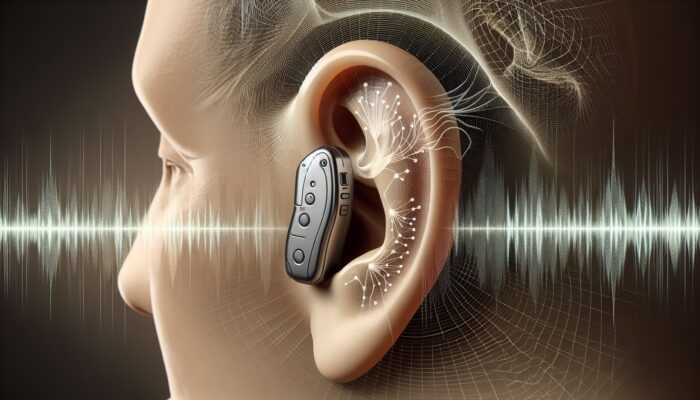
Categories
Gene Therapy Health & Wellness

Hearing Loss: Exploring New Frontiers in Gene Therapy

Last Updated on 20/01/2026 by Admin

In-Depth Analysis of Gene Therapy’s Role in Tackling Hearing Loss

Understanding the Nature of Hearing Loss and Its Life-Altering Effects

Hearing loss represents a significant global health issue, impacting millions regardless of age, ethnicity, or socioeconomic status. It encompasses a variety of conditions, ranging from minor hearing difficulties to total deafness. The origins of hearing loss can be classified into congenital factors, where individuals are born with the condition, and acquired factors that develop over time due to multiple influences such as environmental aspects, aging, or trauma. A key aspect of hearing loss involves cellular damage within the auditory system, primarily affecting the hair cells in the inner ear and the auditory nerve that facilitates sound transmission.

Gene therapy presents a hopeful avenue by targeting the specific genetic mutations or dysfunctions that contribute to these cellular impairments. By focusing on the underlying molecular mechanisms, gene therapy aims to repair or replace the faulty genes responsible for hearing loss. For instance, certain forms of hearing loss linked to mutations in the GJB2 gene can benefit significantly from specialised gene therapy interventions. Addressing hearing loss proactively can help avert secondary complications, such as cognitive decline and social isolation, highlighting the vital importance of this groundbreaking therapeutic field.

Diving into the Mechanisms of Gene Therapy for Hearing Restoration

Gene therapy utilises a variety of innovative methodologies to effectively address the root causes of hearing loss. The primary aim of gene therapy involves delivering corrected or therapeutic genes to the affected cells in the auditory system. This targeted approach has the potential to restore functionality and improve auditory capabilities. Essential techniques employed in gene therapy for hearing loss include the following:

  • Vector Delivery: Vectors, which are often derived from viruses, are meticulously engineered to transport therapeutic genes into the targeted cells located within the ear.
  • Gene Editing: Advanced techniques like CRISPR-Cas9 allow for precise modifications to DNA, enabling the correction of mutations at their origin.
  • RNA Therapy: Techniques such as antisense oligonucleotides can modulate gene expression, providing therapeutic effects without altering the DNA sequence itself.
  • Stem Cell Therapy: The application of stem cells to regenerate damaged auditory cells represents a promising avenue for restoring hearing functionality.
  • Protein Replacement: Delivering functional proteins can help compensate for the absence of naturally occurring ones due to genetic anomalies.
  • Gene Regulation: Modifying the expression of specific genes to enhance cell survival and functionality plays a crucial role in therapy.

These state-of-the-art techniques are crafted to improve the repair mechanisms within the ear, ultimately leading to enhanced auditory function and an improved quality of life for individuals grappling with hearing loss.

Recognising the Significance of Timely Intervention in Hearing Loss

Timely intervention for hearing loss through gene therapy can lead to extraordinary enhancements in overall functionality and quality of life. Addressing auditory deficits during childhood, or even in the early phases of hearing loss, can substantially boost communication skills, social interactions, and cognitive development. The advantages of early intervention extend beyond mere auditory restoration; individuals may experience an increase in confidence and a more fulfilling personal and professional existence.

Moreover, early gene therapy interventions can yield enduring benefits, significantly enhancing the likelihood of favourable outcomes. Ensuring accessibility to these treatments is crucial, as efforts must focus on making gene therapy universally available to those who require it most. By prioritising timely interventions, we can harness the benefits of rapid advancements in scientific research and technology, ensuring that all affected individuals have the opportunity to regain their hearing, thereby fostering a more inclusive society.

How Does Gene Therapy Effectively Address the Challenge of Hearing Loss?

What Role Do Vectors Play in the Process of Gene Therapy?

Vectors are fundamental to the success of gene therapy, particularly in delivering therapeutic genes to the cells within the inner ear. These uniquely designed vehicles facilitate the transport of genetic material into cells, aiming to correct mutations that disrupt normal auditory functionality. By employing vectors—often derived from naturally occurring viruses—scientists can take advantage of their ability to penetrate cell membranes and efficiently introduce the targeted genes.

The procedure commences with the identification of the specific genes that require correction or replacement due to mutations causing hearing loss. Once these genes are isolated, they are inserted into the vector, which is then administered to the patient. For auditory cells, the objective is to restore functionality by repairing or modifying the genetic instructions essential for hearing. However, the use of vectors presents challenges, as it requires overcoming biological barriers to ensure that therapeutic genes effectively and safely reach their intended targets.

Despite these challenges, the potential of vector-based gene delivery remains promising. With continuous advancements in vector technologies, including improved safety profiles and enhanced targeting abilities, the potential to restore hearing through gene therapy remains a primary focus of global research efforts.

What Challenges Must Be Addressed in Gene Therapy Applications?

Although gene therapy holds immense potential for addressing hearing loss, several challenges must be navigated to ensure successful application. A significant obstacle is the delivery of therapeutic genes to the affected auditory cells. The inner ear, where much of the auditory mechanism resides, is protected by a series of biological barriers that can obstruct the effective delivery of gene therapies.

These barriers include the complex architecture of the cochlea and the blood-labyrinth barrier, which can impede therapeutic agents from reaching their intended targets. Furthermore, assuring that the delivered genes express adequately within the cells is crucial to achieving the desired therapeutic effect. Researchers are actively devising strategies to overcome these challenges, such as optimising vector design to enhance their ability to penetrate cellular defences.

Additionally, the methods of administration present their own set of challenges, as they must be minimally invasive yet effective. Innovations such as localized delivery systems, which directly target the inner ear, are being explored to enhance the precision of gene therapy applications. Ultimately, overcoming these delivery challenges is essential for the wider acceptance of gene therapy for hearing loss, ensuring that individuals globally can benefit from these advances.

Identifying Potential Side Effects Associated with Gene Therapy for Hearing Loss

As with any medical intervention, gene therapy for hearing loss carries the risk of side effects. One of the primary concerns is the potential for immune responses, which may arise when the body recognises the introduced vectors or therapeutic genes as foreign entities. This immune reaction could provoke inflammation or other adverse effects, compromising the efficacy of the therapy.

Monitoring for these unintended effects is imperative. Researchers are establishing rigorous protocols to promptly detect and manage any adverse reactions. Furthermore, developing strategies to mitigate risks—such as employing non-inflammatory vectors or pre-treating patients with immunosuppressive medications—can significantly enhance the safety profile of gene therapy.

Ongoing clinical trials are essential for elucidating the full range of potential side effects associated with gene therapy for hearing loss. These trials aid in gathering data regarding the safety and effectiveness of various approaches, enabling practitioners to systematically refine protocols and improve patient outcomes. The ultimate goal is to ensure that gene therapy remains a viable and appealing option for individuals seeking to restore their hearing.

Expert Perspectives on the Promise of Gene Therapy in Curing Hearing Loss

Cutting-Edge Techniques Propelling Gene Therapy Forward

The domain of gene therapy for hearing loss is advancing swiftly, with numerous techniques being refined to enhance both precision and efficacy. Several actionable strategies can be implemented to optimise these therapies. One noteworthy method is the application of CRISPR-Cas9 technology, which allows scientists to edit genes with unparalleled accuracy. This technique can be employed to correct specific mutations within the genes responsible for hearing loss, particularly those affecting the hair cells within the inner ear.

Another promising strategy involves the use of AAV (adeno-associated virus) vectors, which are engineered to deliver therapeutic genes to target cells while minimising immune responses. These vectors have exhibited significant potential in various studies, demonstrating their capacity to restore hearing in animal models. Researchers are also exploring the application of antisense oligonucleotides, which can modify RNA to produce therapeutic effects without altering the underlying DNA. This method holds promise for conditions where traditional gene correction may not be feasible.

Furthermore, incorporating bioinformatics into gene therapy research allows for a more personalised approach. By analysing genetic data, researchers can identify specific mutations and tailor therapies accordingly. This personalised strategy significantly enhances the likelihood of successful outcomes while reducing the risk of adverse effects.

As these advanced techniques continue to evolve, the landscape of gene therapy for hearing loss will transform, unveiling new opportunities for restoring auditory function for individuals worldwide.

Evaluating the Effectiveness of Gene Therapy Treatments for Hearing Restoration

Assessing the efficacy of gene therapy for hearing loss necessitates a comprehensive framework that evaluates both short-term and long-term outcomes. This analysis typically includes functional improvements in auditory capabilities, such as enhanced sound perception and communication skills. Researchers employ various assessments, including audiometric testing and subjective questionnaires, to measure improvements effectively.

Clinical studies assessing the efficacy of gene therapy generally involve control and experimental groups, facilitating robust comparisons of outcomes. Researchers closely monitor factors such as the degree of hearing restoration, the stability of improvements over time, and any potential side effects. By employing evidence-based methodologies, scientists can refine treatment protocols and draw meaningful conclusions regarding the effectiveness of specific therapies.

Additionally, patient-reported outcomes play a vital role in this evaluation process. Understanding how individuals perceive their hearing improvements and their impact on daily life delivers valuable insights that can guide future advancements in gene therapy. A patient-centred approach ensures that therapy is tailored to meet the diverse needs of individuals experiencing hearing loss worldwide.

Long-Term Considerations for Gene Therapy in Hearing Loss

Maintaining the benefits of gene therapy for hearing loss necessitates ongoing monitoring and adjustments to treatment protocols. Long-term studies are crucial for understanding how therapeutic effects evolve over time. Researchers are investigating the durability of hearing restoration, assessing whether improvements remain stable or require further interventions.

Real-world examples underscore the importance of continuous follow-up care. Patients may undergo regular audiological evaluations to track their hearing progress and identify any changes early on. This proactive approach enables healthcare providers to make necessary adjustments to therapies, ensuring that individuals continue to benefit from gene interventions.

Moreover, long-term considerations must encompass the psychological and social dimensions of hearing restoration. As individuals regain their auditory capabilities, they may face challenges in readjusting to their environments. Support systems, including counselling and community engagement, can play a pivotal role in assisting individuals as they navigate these changes, fostering a holistic approach to therapy.

By emphasising the significance of long-term monitoring and adjustments, the goal of making gene therapy a reliable option for hearing loss becomes increasingly attainable, benefiting diverse populations around the globe.

Research-Driven Insights into Gene Therapy’s Efficacy in Curing Hearing Loss

What Evidence Supports the Utilisation of Gene Therapy?

Emerging research provides compelling evidence supporting the application of gene therapy for restoring hearing loss. Numerous studies have demonstrated the ability of genetic corrections to reverse auditory deficits across various models. For instance, clinical trials have illustrated successful restoration of hearing in animal models with specific gene mutations, highlighting the potential for achieving similar results in humans.

These studies elucidate the intricate relationship between genetic mutations and hearing function, establishing a foundational understanding of how gene therapy can effectively target the underlying causes of hearing loss. The encouraging outcomes from initial clinical trials indicate that gene therapy is not merely a theoretical concept; it presents a tangible solution with practical applications for restoring auditory capabilities.

Furthermore, ongoing research endeavours continue to build a robust body of evidence. Large-scale studies are essential for advancing our understanding of gene therapy’s potential, especially among diverse populations with varying genetic backgrounds. These findings will inform the development of standardised protocols and benchmarks for measuring success, ensuring that gene therapy can be reliably administered across different contexts.

Integrating Gene Therapy with Other Therapeutic Approaches

Gene therapy does not function independently; it can synergise with existing treatments to augment overall therapeutic strategies for hearing loss. The integration of gene therapy with other modalities can create a comprehensive approach, maximising the benefits for patients. For example, combining gene therapy with cochlear implants can amplify auditory improvements, particularly for individuals with profound hearing loss.

Other synergistic options include:

  • Audiological Rehabilitation: Customised therapy programmes can enhance auditory skills in patients following gene therapy.
  • Sign Language Therapy: For individuals with significant hearing loss, sign language can facilitate communication during the recovery process.
  • Hearing Aids: These devices can complement gene therapy by supporting auditory function while awaiting complete recovery.
  • Psychosocial Support: Counselling and peer support can assist individuals in adapting to changes in their hearing abilities and social dynamics.

This integrative approach ensures that patients receive holistic care, addressing not only the biological aspects of hearing loss but also the psychological and social dimensions that accompany it. As gene therapy becomes more widely available, the potential for combining it with established treatments will enhance the overall quality of care for individuals facing hearing loss.

Ethical Considerations in the Realm of Gene Therapy

The advancement of gene therapy for hearing loss raises significant ethical considerations that warrant thorough examination. As with any innovative medical intervention, ensuring equitable access to these therapies is essential to prevent exacerbating existing health disparities. Discussions surrounding the fair distribution of therapy are crucial, as certain populations may encounter barriers to accessing gene therapy due to socioeconomic or geographic factors.

Moreover, the implications of genetic interventions raise questions regarding consent and patient autonomy, particularly in paediatric cases where parental decisions are paramount. It is critical that individuals receive transparent information about the risks and benefits of gene therapy, empowering them to make informed choices about their treatment options.

Furthermore, the long-term consequences of gene therapy present ethical dilemmas. Will individuals encounter unforeseen complications years down the line? How will society address potential genetic modifications that may be passed down to future generations? These inquiries necessitate ongoing dialogues among researchers, ethicists, healthcare providers, and the communities they serve.

By prioritising ethical considerations, the field of gene therapy can advance responsibly, ensuring that the advantages of these groundbreaking treatments are accessible to all individuals experiencing hearing loss, thereby promoting a fair and just healthcare landscape.

Long-Term Outcomes and Ongoing Monitoring of Gene Therapy

Investigating the long-term effects of gene therapy on hearing restoration is vital for comprehending its durability and potential side effects. Longitudinal studies are pivotal in evaluating the sustained impact of therapy over extended periods. These studies focus on several parameters, including the stability of hearing improvements, the emergence of side effects, and the overall quality of life for individuals undergoing gene therapy.

As gene therapy becomes a more integrated component of hearing loss treatment, establishing standardised monitoring protocols is essential. Regular follow-up appointments enable healthcare providers to assess the effectiveness of treatments and identify any changes in auditory function. This proactive monitoring approach can facilitate adjustments to therapy, ensuring that individuals achieve optimal outcomes.

Additionally, patient education plays a crucial role in long-term success. Empowering individuals to understand their treatment plans, recognise signs of potential side effects, and actively participate in their care can enhance adherence and improve overall treatment efficacy. By fostering a culture of ongoing education and support, healthcare providers can optimise the long-term benefits of gene therapy for hearing loss across diverse populations.

What Are the Projected Outcomes of Gene Therapy?

How Might Gene Therapy Restore Auditory Functionality?

Gene therapy possesses remarkable potential to restore auditory capabilities by repairing damaged genes associated with hearing loss. This innovative approach specifically targets the genetic mutations that hinder normal auditory function, potentially leading to substantial improvements in sensory processing. When successful, gene therapy can significantly enhance individuals’ abilities to perceive sound, communicate effectively, and engage socially.

The anticipated improvements from gene therapy can vary based on the severity of hearing loss and the specific genes targeted. For instance, individuals with mild to moderate hearing loss due to identifiable genetic mutations may experience profound gains in hearing sensitivity. In instances of severe to profound loss, while complete restoration may be more challenging, significant functional improvements remain attainable.

Furthermore, the benefits of gene therapy extend beyond mere auditory restoration. Individuals may experience enhanced quality of life, increased social engagement, and improved cognitive function as they regain their ability to hear and communicate. The transformative potential of gene therapy offers hope to millions globally, unlocking new possibilities and enriching experiences.

Factors Influencing the Success of Gene Therapy

The success of gene therapy for hearing loss hinges on several influential factors, each playing a crucial role in achieving desired outcomes. One of the foremost considerations is the age of the patient at the time of treatment. Early interventions, especially in paediatric populations, typically yield more favourable results compared to late interventions in adults. This underscores the necessity of early detection and timely treatment of hearing loss.

Additionally, the timing of therapy administration in relation to the progression of hearing loss significantly impacts success. Individuals with progressive hearing loss may experience diminishing returns if therapy is introduced too late in the course of their condition. Determining the optimal intervention window is essential to maximise the therapeutic potential of gene therapies.

Moreover, individual genetic variability plays a significant role in how patients respond to gene therapy. Genetic profiling can help identify those likely to benefit from specific interventions, allowing for more personalised treatment plans. By considering these factors, healthcare providers can tailor gene therapy approaches to optimise outcomes for the diverse individuals they serve.

Beyond Initial Results: Focus on Long-Term Adaptations

While the initial outcomes of gene therapy for hearing loss may be promising, long-term adaptations are crucial for maintaining these benefits over time. Follow-up care is integral to ensuring that patients receive the support needed to navigate the changes brought about by therapy. Monitoring progress through regular audiological assessments allows healthcare providers to track improvements and address any emerging issues promptly.

As individuals adjust to renewed auditory capabilities, ongoing adjustments to therapy may be necessary. This could involve fine-tuning treatment protocols, providing additional rehabilitative support, or implementing strategies to manage any side effects. By fostering a dynamic approach to care, healthcare providers can help individuals maximise the long-term impact of gene therapy, ultimately enhancing their overall quality of life.

Additionally, integrating psychological and social support into follow-up care can facilitate smoother transitions as individuals adapt to their restored hearing. Engaging with support groups or counselling services can provide valuable resources for patients and their families, ensuring that the journey toward improved hearing is both successful and fulfilling.

Proven Strategies for Realising the Potential of Gene Therapy in Curing Hearing Loss

Key Delivery Techniques to Optimise Gene Therapy Effectiveness

Successful gene therapy for hearing loss relies on precise delivery methods that ensure safe and targeted application. Core strategies focus on optimising how therapeutic genes are introduced into auditory cells, thereby maximising the likelihood of successful outcomes. One primary method involves the use of viral vectors, which are engineered to carry therapeutic genes directly into targeted cells.

By selecting specific viral vectors known for their efficacy and safety, researchers can enhance the precision of gene delivery while minimising potential immune responses. Furthermore, advancements in nanotechnology are paving the way for non-viral delivery systems that can offer alternative methods of gene introduction, potentially mitigating complications associated with traditional viral vectors.

Moreover, localized delivery techniques are gaining prominence. These methods involve administering gene therapy directly to the inner ear, allowing higher concentrations of therapeutic agents to reach target cells while minimising systemic exposure. This approach significantly enhances the precision and effectiveness of gene therapy for hearing loss.

Ultimately, establishing a robust understanding of core delivery techniques is critical for advancing gene therapy as a viable solution for restoring hearing, ensuring that individuals from diverse backgrounds can benefit from these innovations.

The Necessity of Continuous Monitoring and Adaptation

Regular monitoring and adjustment of gene therapy protocols are vital for optimising treatment outcomes in hearing loss. Continuous assessment enables healthcare providers to evaluate the effectiveness of interventions while identifying any potential side effects that may arise during the treatment process. This proactive approach encourages adaptability, allowing practitioners to refine therapies based on individual patient responses.

Monitoring assessments typically involve periodic audiological evaluations to track hearing progress and functional improvements. Engaging patients in their follow-up care is essential, as their feedback can offer valuable insights into their experiences and outcomes. Implementing standardised monitoring protocols ensures consistency in evaluating treatment efficacy across diverse patient populations.

Adjustments may also be necessary based on emerging data or advancements in gene therapy research. As new techniques and delivery methods are developed, incorporating these innovations into existing treatment plans can enhance overall effectiveness. By committing to ongoing evaluation and adaptation, healthcare providers can ensure that gene therapy remains a dynamic and responsive solution for individuals experiencing hearing loss.

Collaborative Approaches for Optimal Gene Therapy Outcomes

Collaboration across various fields is crucial for optimising outcomes in gene therapy for hearing loss. By harnessing the expertise of geneticists, audiologists, and healthcare providers, a multidisciplinary approach can significantly enhance the efficacy of gene therapies. This collaborative effort promotes the sharing of knowledge, resources, and innovative ideas, leading to more comprehensive treatment strategies.

Engaging with patient advocacy groups and community organisations can further amplify the impact of gene therapy initiatives. These partnerships can help raise awareness, facilitate access to treatments, and support ongoing patient education. Additionally, collaboration with regulatory bodies ensures that gene therapy practices adhere to the highest safety and ethical standards.

Moreover, interdisciplinary research initiatives can drive advancements in understanding the complexities of hearing loss and the potential of gene therapy. By integrating insights from genetics, audiology, and biomedical engineering, the field can develop tailored solutions that address the diverse needs of individuals experiencing hearing loss globally.

In this collaborative landscape, the pursuit of effective gene therapy for hearing loss becomes a shared mission, fostering innovation and ensuring that individuals receive the highest quality of care and outcomes.

Criteria for Selecting Suitable Candidates for Gene Therapy

Patient selection criteria are crucial in determining the suitability of individuals for gene therapy aimed at curing hearing loss. A thorough assessment process ensures that candidates are likely to benefit from treatment while minimising risks. Key considerations in the selection process include genetic profiling to identify specific mutations, age factors, severity of hearing loss, and overall health status.

Genetic profiling enables healthcare providers to match patients with therapies specifically tailored to their genetic backgrounds. This precision medicine approach enhances the likelihood of successful outcomes, as therapies can be customised to target the underlying causes of hearing loss. Age also plays a vital role—earlier interventions tend to yield more favourable results, making prompt identification and referral essential.

Furthermore, assessing the severity of hearing loss is vital. Patients with identifiable genetic causes of hearing loss are often prioritised for gene therapy, as they may experience more significant benefits compared to those with multifactorial or environmental causes. Comprehensive evaluations of overall health status, including underlying comorbidities, further inform the selection process, ensuring that candidates are prepared for the potential challenges of gene therapy.

By establishing clear patient selection criteria, healthcare providers can optimise the efficacy of gene therapy for hearing loss, ultimately improving outcomes for individuals from diverse backgrounds and circumstances.

Common Inquiries Regarding Gene Therapy

What does gene therapy for hearing loss entail?

Gene therapy for hearing loss involves delivering corrected genes to the auditory system to address genetic mutations that cause hearing deficits, offering a potential cure for various forms of hearing loss.

In what way does gene therapy restore auditory function?

Gene therapy restores hearing by repairing or replacing defective genes responsible for auditory function, potentially leading to significant improvements in hearing capabilities.

What are the primary techniques utilised in gene therapy?

Core methods include vector delivery, gene editing (such as CRISPR-Cas9), RNA therapy, stem cell therapy, protein replacement, and gene regulation techniques.

What challenges exist in applying gene therapy?

Challenges include overcoming biological delivery barriers, ensuring effective gene transfer, managing immune responses, and addressing safety concerns associated with treatment.

Are there potential side effects of gene therapy?

Yes, potential side effects can include immune responses and unintended effects on gene expression, necessitating careful monitoring and management during treatment.

How critical is early intervention for hearing loss?

Early intervention is crucial as it can enhance overall function and communication abilities, leading to more favourable outcomes in gene therapy for hearing loss.

What evidence supports the effectiveness of gene therapy?

Emerging research indicates promising results in restoring hearing through genetic corrections, with trials demonstrating successful outcomes across various models.

How does gene therapy integrate with existing treatments?

Gene therapy can complement existing treatments, such as cochlear implants, audiological rehabilitation, and psychosocial support, enhancing overall therapeutic strategies.

What ethical considerations are relevant to gene therapy?

Ethical considerations include ensuring equitable access, informed consent, and addressing the long-term implications of genetic interventions in diverse populations.

What factors influence the success of gene therapy?

Factors include patient age, timing of therapy administration relative to the progression of hearing loss, and individual genetic variability, all of which impact treatment outcomes.

Discover our world on X!

The post Gene Therapy for Hearing Loss: Discovering New Possibilities appeared first on The Microsuction Ear Wax Removal Network.

The post Gene Therapy for Hearing Loss: Discovering New Possibilities appeared first on Healthcare Marketing Service.

Categories
Health & Wellness Workplace Safety

Hearing Protection for Factory Workers: Key Insights

Last Updated on 19/01/2026 by Admin

Grasping the Dangers Associated with High Noise Levels

What is Noise-Induced Hearing Loss and How Does it Develop?

Noise-induced hearing loss, commonly referred to as NIHL, arises from repeated exposure to loud sounds that inflict irreversible harm to the sensitive hair cells found in the inner ear. This debilitating condition can greatly hinder a person’s ability to hear, creating barriers to effective communication, diminishing the quality of personal relationships, and adversely affecting overall life satisfaction. In environments like factories, where machinery operates at dangerously elevated decibel levels, individuals face a significantly heightened risk of developing NIHL. Continuous exposure may lead workers to experience not only auditory perception difficulties but also challenges in efficiently carrying out their tasks. This reality underscores the urgent need for implementing protective measures to avert such outcomes, making the prevention of NIHL a central focus within workplace safety protocols. The effects of this condition can persist long after the noise has diminished, emphasising the essential requirement for hearing protection in various occupational settings.

What Are the Primary Contributors to Noise in Industrial Settings?

Factories are major sources of noise pollution, predominantly due to heavy machinery, conveyor belts, and assembly lines. Equipment like presses, grinders, and compressors generates sound levels that can exceed safe listening thresholds, overwhelming the auditory system over prolonged durations. Recognising these sources is imperative for both staff and management; identifying them facilitates targeted interventions and thorough risk assessments. For instance, in automotive manufacturing plants, the clanging of metal and the high-pitched whirring of tools create an environment where protective measures are not just beneficial but essential. This understanding not only assists in identifying hazards but also drives the formulation of effective safeguards, ensuring workers can execute their duties without the looming threat of hearing loss.

What Health Hazards Are Associated with Noise Exposure?

The health risks linked to excessive noise exposure extend far beyond hearing loss alone. Continuous exposure to high-noise environments can lead to a variety of stress-related conditions that adversely impact overall well-being. The following health risks highlight the extensive ramifications of noise on factory workers’ lives:

  • Increased stress levels
  • Chronic fatigue
  • Hypertension or elevated blood pressure
  • Cardiovascular complications
  • Sleep disturbances
  • Reduced concentration and productivity
  • Heightened chances of workplace accidents
  • Impaired communication and social interactions

Recognising these risks highlights the urgent need for implementing hearing protection strategies that not only safeguard the auditory health of workers but also enhance their overall physical and mental wellness, fostering a more conducive and supportive work environment.

In What Ways Does Noise Affect Worker Productivity and Health?

What Are the Immediate Symptoms of Excessive Noise Exposure?

Upon exposure to excessive noise, workers often experience immediate symptoms such as tinnitus, characterised by a persistent ringing in the ears, alongside temporary declines in hearing ability. These symptoms serve as vital warning signs, indicating the potential for long-term auditory damage if exposure continues without appropriate intervention. Factory environments, where sudden loud noises can occur unexpectedly, particularly jeopardise the health of workers. Recognising these early indicators is crucial for preserving health, as ignoring them may lead to chronic issues. Furthermore, the importance of taking prompt action cannot be overstated; addressing these symptoms swiftly can significantly decrease the risk of developing lasting auditory impairment and improve overall productivity in the workplace.

How Does Long-Term Exposure to Noise Impact Everyday Life?

Prolonged exposure to factory noise can result in deep and enduring consequences, which permeate daily life and interpersonal relationships. Over time, workers may face communication challenges, leading to misunderstandings and a reduction in social engagement. This ongoing difficulty can place strain on personal relationships and hinder career advancement. Moreover, persistent hearing issues can negatively affect job performance, as employees struggle to comprehend verbal instructions or collaborate effectively with coworkers. Implementing proactive protective measures, such as using hearing protection or creating quieter work areas, becomes vital in mitigating these long-term effects. By promoting early intervention and consistent use of protective gear, workers can substantially enhance their daily experiences and improve their integration within their work environments.

What Factors Determine the Impact of Noise on Workers?

Several factors dictate how noise affects individual workers in a factory setting. The length of noise exposure is critically significant; spending extensive periods in high-decibel environments can amplify the severity of hearing damage. Additionally, pre-existing health conditions, such as hypertension or previous hearing impairment, can heighten the impact of noise on auditory function. Personal attributes, including age and sound sensitivity, also play a role in variations of noise impact. Consequently, it is essential for workplaces to establish tailored protection strategies that take these factors into account. By customising safety protocols—such as individualised training or specific hearing protection devices—factories can better shield their workforce and cultivate a healthier working environment.

What Are the Benefits of Employing Hearing Protection?

How Effective Are Hearing Protection Devices in Reducing Noise?

Hearing protection devices are indispensable tools for alleviating the risks associated with excessive noise exposure in factory environments. These devices can effectively diminish noise levels by up to 30 decibels, significantly reducing the threat of auditory damage. This effectiveness underscores their role as a critical component in safeguarding the auditory health of workers. The application of hearing protection not only helps maintain hearing integrity but also enhances overall workplace safety. With consistent use, employees can fulfil their responsibilities without the continuous worry of hearing loss, permitting them to focus on their tasks and contribute more productively to their organisations. The proactive adoption of hearing protection is essential for establishing a safer and healthier working environment.

What Different Types of Hearing Protection Devices Are Available?

A broad range of hearing protection devices exists, each offering varying levels of comfort and noise attenuation. Earplugs are a popular choice due to their discreet nature, easily fitting into any workspace without causing discomfort. Conversely, earmuffs provide a more substantial barrier against noise, enveloping the ears completely. Custom-moulded devices have also become increasingly popular, offering a personalised fit that enhances both comfort and effectiveness. The differing levels of protection cater to various noise exposure scenarios, ensuring that workers can select devices suited to their specific needs. Proper utilisation of these devices—whether through training or guided instruction—ensures ongoing protection against potential hazards, ultimately fostering a culture of safety within the workplace.

What Are the Advantages of Regular Use of Hearing Protection?

The consistent application of hearing protection yields numerous benefits, safeguarding auditory health while also enhancing focus and diminishing accident risks. By regularly employing hearing protection, workers can experience several key advantages:

  • Improved concentration and task performance
  • Decreased likelihood of auditory-related injuries
  • Enhanced communication abilities
  • Reduced stress levels due to lower noise exposure
  • Increased job satisfaction and morale
  • Better overall workplace safety
  • Long-term preservation of auditory health
  • Minimised potential for costly workers’ compensation claims

These multifaceted benefits highlight the importance of incorporating hearing protection into daily routines, fostering a culture of safety that promotes overall well-being and productivity among workers.

Expert Insights on the Imperative of Hearing Protection for Factory Workers

What Practical Steps Can Be Taken for Implementation?

Establishing effective hearing protection protocols commences with a thorough evaluation of workplace noise levels and potential hazards. Organisations should conduct regular noise assessments to identify areas where hearing protection is indispensable. Following this, training programmes can educate workers about sound levels and the critical significance of using protective devices. Practical steps for integrating these protocols include:

1. Conducting noise audits to assess specific hazard levels.
2. Offering training sessions that underscore the importance of hearing protection.
3. Providing a selection of protective device options that workers can choose from.
4. Establishing a culture of compliance through regular check-ins and reminders.

By adhering to these steps, factories can effectively mitigate risks and ensure the safety of their workforce.

Why Is It Important to Monitor Noise Level Standards?

Monitoring noise level standards is crucial for ensuring safe working environments. Practical implementations involve using sound level meters in factories to continuously measure and display noise levels. Such monitoring systems ensure adherence to thresholds set by regulatory bodies, enabling timely interventions if noise levels surpass acceptable limits. Regular assessments also empower factories to adjust operational practices or invest in quieter machinery, fostering a workplace conducive to employee health. This proactive approach to noise management not only protects workers but also aligns with best practices in occupational safety.

How Can the Effectiveness of Protection Be Assessed?

Research consistently shows that combining hearing protection devices with educational initiatives yields optimal results in safeguarding auditory health. Effective evaluations demonstrate that the regular use of protective gear, coupled with proper training on its application, significantly reduces hearing-related injuries. Organisations should prioritise not only the provision of protective devices but also invest in ongoing educational and awareness programmes. Tailored training sessions can assist workers in understanding how to select the appropriate devices for their specific work environments and ensure proper usage, thereby maximising long-term benefits and maintaining a robust commitment to safety.

What Are the Common Causes of Hearing Loss in Factories?

What Key Factors Contribute to Hearing Damage?

Continuous exposure to industrial noise represents a primary cause of hearing loss among factory workers. Factors such as insufficient rest periods exacerbate this risk, making regular protection essential for individuals in high-noise environments. Beyond mere volume, the characteristics of the noise—such as its frequency and duration—also significantly influence the extent of damage. Educating workers about these key factors is crucial, empowering them to recognise their vulnerabilities and advocate for their hearing health, thereby fostering a safer workplace culture.

Why Is Early Intervention Critical?

Early intervention is paramount in the fight against hearing loss, as timely action can halt its progression. Addressing initial signs of hearing impairment helps preserve auditory function and prevent complications that could affect daily life and career longevity. Workers who take proactive measures—such as scheduling regular hearing tests or utilising protective devices—can significantly enhance their overall well-being. By emphasising the significance of early detection and intervention, factories can cultivate a culture that prioritises worker health, ultimately leading to improved job satisfaction and productivity.

What Prevention Strategies Can Workers Implement?

Workers can adopt a variety of strategies to reduce their risk of hearing loss. Simple yet effective measures can have a significant impact:

  • Consistently utilise hearing protection in high-noise areas
  • Take regular breaks from noise to rest their ears
  • Participate in routine hearing assessments
  • Advocate for quieter machinery and workspaces whenever possible

By integrating these prevention strategies into their daily routines, workers can effectively safeguard their hearing and contribute to a healthier workplace environment.

Research-Backed Evidence Supporting the Need for Hearing Protection

What Do Studies Show About the Effects of Noise Exposure?

Research highlights the significant impact of noise exposure on auditory health, prompting factories to adopt evidence-based safeguards that protect workers’ well-being. Studies indicate that excessive noise can lead to permanent auditory damage, reinforcing the necessity for protective measures. Factories that implement rigorous noise control strategies—backed by research—can mitigate these risks, ensuring a safer and healthier environment. For example, employing sound-dampening materials or redesigning workflows to reduce noise exposure can result in substantial improvements in worker health.

What Benefits Are Supported by Data?

Extensive data demonstrates that the consistent use of hearing protection effectively lowers injury rates among workers. Expert analyses highlight the critical role of protective gear in fostering a healthier workforce, showcasing its capacity to prevent hearing loss and associated health issues. By examining injury trends across various manufacturing sectors, organisations can identify the positive correlation between the adoption of protective measures and reduced incidences of hearing-related injuries. This data not only strengthens the case for protective interventions but also serves as a roadmap for optimising safety protocols in factories worldwide.

How Does Research Inform Best Practices?

Real-world examples derived from research illustrate effective protection methods successfully implemented across various industries. For instance, studies reveal that auditory training programmes combined with regular use of hearing protection yield improved outcomes. Factories can adopt similar strategies, leveraging empirical evidence to bolster safety measures. By integrating such research findings into their operational practices, businesses can create a safer environment for their workers, ultimately resulting in increased productivity and diminished risk of hearing loss.

What Are the Emerging Trends in Hearing Protection Research?

Recent advancements in hearing protection research have introduced innovative trends such as adaptive noise reduction technology and the development of personalised protective gear. These technologies facilitate enhanced customisation, enabling factories to implement solutions specifically designed to meet their workers’ needs. Evidence from ongoing studies underscores the necessity for continuous innovation to effectively address evolving noise hazards. By remaining informed about emerging trends, factories can enhance safety protocols and maintain a proactive approach to worker health.

What Are the Long-Term Outcomes of Hearing Protection Interventions?

Longitudinal studies examining hearing protection programmes reveal significant long-term benefits, including reduced incidences of permanent hearing loss and improved quality of life among workers. By investing in comprehensive hearing conservation strategies, factories can develop enduring programmes that promote lifelong auditory health. These initiatives not only enhance workplace safety but also improve overall employee satisfaction, leading to a more engaged and productive workforce. Factories can leverage this data to advocate for robust safety programmes and ensure compliance with regulatory standards, reinforcing their commitment to worker health.

How to Use Hearing Protection Effectively?

What Are the Correct Fitting Techniques for Hearing Protection?

Correct fitting of hearing protection devices is crucial for maximising their effectiveness. Devices that do not fit properly may allow noise to penetrate, compromising their protective capabilities. Workers should receive training on fitting techniques, regardless of whether they are using earplugs or earmuffs. For earplugs, it is essential to roll them into a thin cylinder before insertion, ensuring they expand to adequately fill the ear canal. Earmuffs must fully cover the ears, ensuring a secure fit against the head. Regular checks and adjustments can also enhance comfort and effectiveness, ensuring workers are sufficiently protected during their shifts.

What Factors Impact Device Comfort?

Comfort is a crucial factor influencing the consistent use of hearing protection. Devices designed with ergonomic features reduce irritation and discomfort, encouraging longer wear times for users. Materials that are soft, breathable, and lightweight contribute to a more pleasant experience, allowing workers to concentrate on their tasks without distractions. Additionally, adjustable components can accommodate various head sizes and shapes, improving the overall fit. When comfort is prioritised in the design of hearing protection, workers are more likely to adopt these devices as integral components of their daily routines, thus promoting a culture of safety within the workplace.

How to Properly Maintain Protective Gear?

Regular maintenance of hearing protection devices is vital for ensuring their reliability and effectiveness. Workers should adhere to cleaning protocols, as dirt and debris can hinder the performance of earplugs or earmuffs. For earplugs, routine washing with mild soap and water helps maintain hygiene, while earmuffs should be inspected for wear and tear, with foam inserts replaced as necessary. By establishing regular cleaning and inspection schedules, organisations can extend the lifespan of protective gear, ensuring sustained hearing health for all workers.

What Types of Hearing Protection Are Available for Workers?

Understanding the various types of hearing protection available is essential for workers to select the most suitable option based on their noise exposure levels and personal comfort. Common types include:

1. <a href="https://www.earwaxremoval.net/ear-protection-at-concerts-essential-for-universal-safety/">Earplugs:</a> Compact and easily portable, ideal for moderate noise levels.
2. Earmuffs: Provide robust protection, suitable for high-noise environments.
3. Custom-moulded Devices: Offer personalised fit and comfort for extended wear.

By educating workers on the advantages and limitations of each type, factories can empower them to make informed choices about their hearing protection, significantly enhancing overall efficacy and safety.

Why Is Consistent Usage of Hearing Protection Crucial?

Incorporating the consistent use of hearing protection into daily routines is vital, particularly in high-noise environments. Recognising situations that require protection enables workers to adopt proactive measures to safeguard their auditory health. Furthermore, cultivating a culture that emphasises the importance of wearing protective devices encourages adherence among employees, minimising long-term risks of hearing damage. By instilling awareness of when and how to use protection, organisations can foster a safer workplace that prioritises the well-being of their workforce.

What Effective Strategies Can Be Employed for Implementing Hearing Protection?

How Can Comprehensive Training Programs Enhance Workplace Safety?

Comprehensive training programmes play a pivotal role in equipping workers with the necessary knowledge to utilise hearing protection correctly. Such programmes should encompass topics ranging from the significance of hearing conservation to the proper usage of devices. Interactive workshops and hands-on demonstrations can enhance understanding, ensuring that workers can effectively apply what they learn. By investing in training, companies not only mitigate risks associated with hearing loss but also cultivate a culture of safety awareness that permeates all levels of the organisation.

How to Seamlessly Integrate Devices into Daily Workflows?

The seamless incorporation of hearing protection into daily workflows is essential for enhancing compliance and reducing incidents. Factories can achieve this by designing workstations that facilitate easy access to hearing protection devices and establishing protocols that remind workers to wear them consistently. Additionally, integrating the use of protection into standard operating procedures reinforces its significance within the overall safety framework. When hearing protection becomes a natural aspect of daily activities, compliance rates increase, leading to a healthier work environment and improved worker safety.

Is Ongoing Monitoring of Compliance Necessary for Safety?

Continuously monitoring compliance with hearing protection protocols is crucial for preventing lapses that could lead to auditory complications. Regular checks and assessments ensure that workers adhere to safety protocols, identifying areas where additional training may be required. Implementing methods such as audits or feedback sessions fosters a culture of accountability, where employees feel empowered to prioritise their hearing health. By maintaining a vigilant approach to compliance, organisations can safeguard their workforce and promote a safer workplace environment.

How to Sustain Long-Term Hearing Health?

What Lifestyle Changes Can Support Hearing Protection?

Implementing lifestyle changes that foster hearing health is vital for workers, especially those in high-noise industries. Limiting exposure to non-work-related noise, such as loud music or noisy environments, complements on-the-job measures in protecting auditory function. Encouraging workers to engage in quieter activities and remain vigilant about their surroundings can significantly reduce the cumulative effects of noise exposure. By raising awareness about lifestyle choices that impact hearing, organisations can further enhance the comprehensive care provided to their workers.

Why Are Regular Health Monitoring Practices Essential?

Routine audiological evaluations are crucial for the early detection of hearing issues, allowing for timely interventions and adjustments to maintain hearing integrity throughout a worker’s career. Factories can facilitate regular hearing screenings, ensuring that employees remain informed about their auditory health status and can promptly address any potential concerns. Incorporating hearing assessments into health and safety programmes not only enhances worker well-being but also fosters a culture of proactive health management prioritising long-term auditory health.

What Role Do Awareness Campaigns Play in Promoting Hearing Health?

Promoting education on hearing risks through awareness campaigns is vital for fostering proactive behaviours among workers. Initiatives such as workshops, informational sessions, and visual aids can assist employees in recognising the importance of hearing protection and the dangers associated with noise exposure. By continually reinforcing these messages, organisations can cultivate an informed workforce that prioritises their hearing health. Ongoing awareness campaigns serve to decrease the incidence of hearing-related issues, ensuring a healthier and more engaged workforce.

What Nutritional Strategies Can Aid in Preserving Hearing?

A well-balanced diet rich in omega-3 fatty acids, vitamins, and antioxidants can significantly contribute to protecting against hearing loss. These nutrients help reduce inflammation and support optimal ear health. Foods such as salmon, nuts, and leafy greens provide essential components for maintaining auditory function. Staying hydrated and avoiding harmful substances like excessive alcohol or tobacco further enhances long-term auditory health. By promoting nutritional awareness and offering resources on healthy eating, organisations can empower workers to take proactive steps toward preserving their hearing.

How Can Professional Support and Rehabilitation Options Assist Workers?

Access to professional support, such as audiologists for customised hearing aids or therapies, enables effective management of hearing challenges. Factories should promote resources to facilitate workers’ access to audiological services, allowing them to receive tailored support for their individual needs. Ongoing rehabilitation programmes contribute to adapting to changes in hearing and maintaining communication skills over time. By prioritising professional support and rehabilitation options, organisations can enhance the overall quality of life for their workers, fostering independence while ensuring that their auditory health remains a top priority.

Frequently Asked Questions

What Exactly Constitutes Hearing Protection?

Hearing protection involves devices or strategies specifically designed to mitigate the risk of noise-induced hearing loss by attenuating harmful sound levels. Examples include earplugs, earmuffs, and custom-moulded devices tailored to individual needs.

Why Is Hearing Protection Vital for Factory Workers?

Factory workers often encounter elevated noise levels from machinery and equipment, which can result in permanent hearing damage. Protective measures are critical for safeguarding auditory health and preventing work-related injuries, ensuring a healthier workplace.

What Types of Hearing Protection Are Available for Use?

Several types of hearing protection exist, including disposable earplugs, reusable earplugs, earmuffs, and custom-moulded devices. Each type varies in terms of noise attenuation levels and comfort, catering to diverse work environments and individual preferences.

How Can I Ensure a Proper Fit for My Hearing Protection Devices?

To ensure a proper fit, earplugs should be inserted according to the manufacturer’s instructions, while earmuffs must completely cover the ears without gaps. Training on fitting techniques is essential to maximise the effectiveness of the devices.

What Are the Common Signs of Noise-Induced Hearing Loss?

Indicators of noise-induced hearing loss include difficulty understanding speech, persistent ringing in the ears (tinnitus), and the need to increase the volume on electronic devices. Early detection is crucial for timely intervention and management.

How Frequently Should Hearing Protection Devices Be Replaced?

Hearing protection devices should be inspected regularly and replaced if they show signs of wear, damage, or discomfort. Disposable earplugs should be replaced after each use, while reusable devices may last longer with proper care and maintenance.

Can Diet Influence Hearing Health?

Yes, a balanced diet rich in vitamins, omega-3 fatty acids, and antioxidants supports hearing health. Foods that reduce inflammation and promote circulation can significantly aid in preserving auditory function and overall ear health.

Are Regular Hearing Check-Ups Necessary?

Regular hearing check-ups are essential for the early detection of hearing problems. Routine screenings can help identify issues before they escalate, allowing for timely intervention and effective management.

What Role Does Training Play in Ensuring Effective Hearing Protection?

Training is vital for educating workers about the importance of hearing protection, proper device usage, and recognising noise hazards. Comprehensive training fosters a culture of safety and compliance, significantly reducing the risk of hearing loss.

How Can Companies Promote Hearing Health in the Workplace?

Companies can promote hearing health by implementing training programmes, providing access to appropriate hearing protection, conducting routine audits, and launching awareness campaigns that emphasise the importance of safeguarding auditory health.

Join us on X and discover more about protecting your hearing health!

The post Hearing Protection: Essential Facts for Factory Workers appeared first on The Microsuction Ear Wax Removal Network.

Categories
Health & Wellness Workplace Safety

Hearing Protection: Key Facts Every Factory Worker Should Know

Last Updated on 19/01/2026 by Admin

Recognising the Dangers of Excessive Noise Exposure in the Workplace

What Is Noise-Induced Hearing Loss and How Does It Manifest?

Noise-induced hearing loss, commonly referred to as NIHL, arises from frequent exposure to loud sounds that harm the sensitive hair cells within the inner ear. This irreversible condition can significantly hinder an individual’s hearing capabilities, affecting their ability to communicate, the quality of their interpersonal relationships, and their overall satisfaction with life. In environments such as factories, where heavy machinery emits dangerously high decibel levels, the risk of developing NIHL escalates dramatically. Prolonged exposure can result in challenges not only with auditory perception but also with engaging effectively in work tasks. This situation underscores the urgent need for protective measures to avert such consequences, making the prevention of NIHL a central focus in workplace safety protocols. The lasting effects of hearing loss can persist long after the noise has ceased, reinforcing the necessity for effective hearing protection across various industrial settings.

What Are the Primary Sources of Noise in Industrial Environments?

Factories significantly contribute to noise pollution, primarily due to the operation of heavy machinery, conveyor belts, and assembly lines. Equipment such as presses, grinders, and compressors produce sounds that can exceed safe listening thresholds, overwhelming the auditory system over time. Recognising these sources is essential for both employees and management; pinpointing them facilitates targeted interventions and thorough risk assessments. For instance, in automotive manufacturing plants, the clanking of metal and the high-pitched whirring of tools create an environment where protective measures become vital. This awareness not only aids in the identification of hazards but also drives the creation of effective safeguards, ensuring that workers can execute their duties without the looming threat of hearing loss.

What Health Risks Are Associated with Prolonged Noise Exposure?

The health ramifications linked to prolonged exposure to noise extend far beyond mere auditory impairment. Continuous exposure to high-noise environments can lead to a variety of stress-related conditions that negatively impact overall well-being. The following health risks illustrate the extensive effects of noise on factory workers:

  • Increased stress levels
  • Chronic fatigue
  • Hypertension or elevated blood pressure
  • Cardiovascular issues
  • Disruptions in sleep patterns
  • Reduced focus and productivity
  • Heightened risk of workplace accidents
  • Impaired communication and social interactions

Acknowledging these risks highlights the urgent necessity for implementing hearing protection strategies that not only enhance the auditory health of workers but also promote their physical and mental wellness, fostering a more conducive work environment.

How Does Noise Exposure Impact Worker Performance and Overall Health?

What Are the Immediate Effects of Noise Exposure?

When subjected to excessive noise levels, workers often experience immediate symptoms such as tinnitus, a condition marked by a persistent ringing sensation in the ears, along with temporary reductions in hearing sensitivity. These symptoms serve as critical warning signs, signalling the potential for long-term auditory damage if exposure persists without intervention. Factory environments, where sudden loud sounds can occur unexpectedly, particularly jeopardise the health of workers. Recognising these early indicators is crucial for maintaining health, as ignoring them may lead to chronic issues. Moreover, the importance of taking immediate action cannot be overstated; addressing these symptoms promptly can significantly lower the risk of developing lasting auditory impairment and enhance overall job productivity.

How Does Long-Term Noise Exposure Influence Everyday Life?

Chronic exposure to factory noise can have deep and enduring consequences that infiltrate everyday life and personal relationships. Over time, workers may encounter communication challenges, leading to misunderstandings and a decline in social interactions. This ongoing struggle can put a strain on personal relationships and impede professional growth. Additionally, persistent hearing problems can adversely affect job performance, as employees find it difficult to understand verbal instructions or collaborate effectively with coworkers. Proactive protective measures, such as using hearing protection or creating quieter workspaces, become essential strategies for mitigating these long-term effects. By advocating for early intervention and consistent use of protective gear, workers can significantly improve their daily experiences and enhance their integration within their work environments.

What Factors Influence the Effects of Noise on Workers?

Several factors can determine how noise influences individual workers in a factory setting. The duration of noise exposure plays a critical role; spending extended periods in high-decibel environments can exacerbate the severity of hearing damage. Furthermore, pre-existing health conditions, such as hypertension or prior hearing impairment, can amplify the effects of noise on auditory function. Personal characteristics, including age and sensitivity to sound, also affect the variations in how noise impacts individuals. Consequently, it is essential for workplaces to establish tailored protection strategies that take these factors into account. By customising safety protocols—such as personalised training or specific hearing protection devices—factories can better safeguard their workforce and foster a healthier working environment.

What Are the Benefits of Implementing Hearing Protection?

How Effective Are Hearing Protection Devices in Safeguarding Hearing?

Hearing protection devices are essential tools for reducing the risks associated with excessive noise exposure in factory settings. These devices can effectively diminish noise levels by up to 30 decibels, significantly lowering the risk of auditory damage. Such effectiveness underscores their role as a critical component in protecting the auditory health of workers. The use of hearing protection not only helps preserve hearing integrity but also contributes to overall workplace safety. With consistent usage, workers can perform their tasks without the constant threat of hearing loss, allowing them to focus on their responsibilities and enhance their productivity within their organisations. The proactive adoption of hearing protection is fundamental to cultivating a safer and healthier working environment.

What Varieties of Hearing Protection Devices Are Available?

A wide range of hearing protection devices is available, each providing varying levels of comfort and noise reduction. Earplugs are a popular choice for their discreet design, easily fitting into any work setting without causing discomfort. Conversely, earmuffs provide a more substantial barrier against noise, completely enclosing the ears. Custom-moulded devices have also gained traction in recent years, offering a personalised fit that enhances both comfort and efficacy. The differing levels of protection cater to a broad spectrum of noise exposure circumstances, ensuring that workers can select devices that suit their unique needs. Proper usage of these devices—whether through training or guided instructions—ensures ongoing protection from potential hazards, ultimately fostering a safety-oriented culture within the workplace.

What Are the Benefits of Regularly Using Hearing Protection?

The consistent use of hearing protection presents numerous advantages, not only safeguarding auditory health but also leading to improved concentration and a decrease in accident risks. By routinely employing hearing protection, workers can enjoy several key benefits:

  • Enhanced focus and task performance
  • Reduced likelihood of hearing-related injuries
  • Improved communication skills
  • Lowered stress levels due to decreased noise exposure
  • Increased job satisfaction and morale
  • Better overall workplace safety
  • Long-term preservation of hearing health
  • Minimised potential for costly workers’ compensation claims

These diverse benefits highlight the importance of incorporating hearing protection into daily routines, fostering a culture of safety that enhances the overall wellbeing and productivity of workers.

Expert Insights on the Importance of Hearing Protection for Factory Workers

What Practical Steps Can Be Taken for Effective Implementation?

The implementation of effective hearing protection protocols commences with a thorough assessment of workplace noise levels and potential hazards. Organisations should conduct regular noise evaluations to identify areas where hearing protection is critical. Following this, training programmes can inform workers about sound levels and the vital importance of utilising protective devices. Actionable steps for integrating these protocols include:

1. Conducting noise audits to evaluate specific hazard levels.
2. Offering training sessions that stress the significance of hearing protection.
3. Providing a selection of protective device options that workers can choose from.
4. Establishing a culture of compliance through regular check-ins and reminders.

By adhering to these steps, factories can effectively mitigate risks and ensure the safety of their workforce.

Why Is It Important to Monitor Noise Level Standards?

Monitoring noise level standards is essential for maintaining safe working environments. Practical implementations include using sound level meters in factories to continuously assess and display noise levels. Such monitoring systems ensure compliance with thresholds set by regulatory entities, allowing for timely interventions if noise levels exceed acceptable limits. Regular evaluations also empower factories to adjust operational practices or invest in quieter machinery, creating a workplace conducive to employee health. This proactive approach to managing noise not only protects workers but also adheres to best practices in occupational safety.

How Can the Effectiveness of Protection Be Evaluated?

Research consistently indicates that combining hearing protection devices with educational initiatives yields optimal results in preserving auditory health. Effective evaluations reveal that the regular use of protective gear, coupled with proper training on its application, significantly lowers the incidence of hearing-related injuries. Organisations should prioritise not only the provision of protective devices but also invest in continuous education and awareness programmes. Tailored training sessions can assist workers in understanding how to select appropriate devices for their specific work environments and ensure proper usage, maximising long-term benefits while sustaining a firm commitment to safety.

What Are the Common Causes of Hearing Loss Within Factories?

What Key Factors Contribute to Hearing Damage in Industrial Settings?

Continuous exposure to industrial noise serves as a primary cause of hearing loss among factory workers. Factors such as insufficient rest periods exacerbate this risk, making regular protection indispensable for individuals in high-noise environments. Beyond sheer volume, the characteristics of the noise—such as its frequency and duration—also play a significant role in determining the extent of damage. Educating workers about these key factors is essential, empowering them to identify their vulnerabilities and advocate for their hearing health, thereby fostering a safer workplace culture.

Why Is Early Intervention Crucial in Preventing Hearing Loss?

Early intervention is vital in the fight against hearing loss, as prompt action can halt its progression. Addressing initial signs of hearing impairment preserves auditory function and prevents complications that could affect daily life and career longevity. Workers who take proactive steps—such as scheduling regular hearing assessments or utilising protective devices—can substantially enhance their overall well-being. By emphasising the significance of early detection and intervention, factories can nurture a culture that prioritises worker health, ultimately leading to improved job satisfaction and productivity.

What Preventative Measures Can Workers Take to Safeguard Their Hearing?

Workers can implement numerous strategies to reduce their risk of hearing loss. Simple actions can yield significant impacts:

  • Consistently utilise hearing protection in high-noise areas
  • Take regular breaks from noise to allow their ears to rest
  • Engage in routine hearing assessments
  • Advocate for quieter machinery and workspaces whenever feasible

By incorporating these preventative measures into their daily routines, workers can effectively protect their hearing and contribute to a healthier workplace environment.

Research-Backed Evidence Supporting the Need for Hearing Protection

What Do Studies Indicate About the Effects of Noise Exposure?

Research highlights the significant impact of noise exposure on auditory health, compelling factories to adopt evidence-based safeguards that protect workers’ well-being. Studies show that excessive noise can lead to permanent auditory damage, reinforcing the necessity for protective measures. Factories implementing rigorous noise control strategies—grounded in research—can mitigate these risks, ensuring a safer and healthier work environment. For example, utilising sound-dampening materials or redesigning workflows to minimise noise exposure can lead to remarkable improvements in worker health.

What Benefits Are Supported by Empirical Data?

Extensive data demonstrates that the regular use of hearing protection effectively decreases injury rates among workers. Expert analyses highlight the vital role of protective gear in fostering a healthier workforce, showcasing its ability to prevent hearing loss and associated health issues. By examining injury trends across various manufacturing sectors, organisations can identify the positive correlation between the implementation of protective measures and the reduction of hearing-related injuries. This data not only strengthens the argument for protective interventions but also serves as a guide for optimising safety protocols in factories worldwide.

How Does Research Inform Best Practices in Hearing Protection?

Real-world examples derived from research demonstrate effective protection methods successfully employed across various industries. For instance, studies reveal that auditory training programmes combined with regular use of hearing protection yield improved outcomes. Factories can adopt similar strategies, leveraging empirical evidence to enhance safety measures. By integrating such research findings into their operational practices, businesses can create a safer environment for their workers, ultimately fostering increased productivity and lowering the risk of hearing loss.

What Emerging Trends Are Present in Hearing Protection Research?

Recent advancements in hearing protection research have introduced innovative trends such as adaptive noise reduction technology and the development of personalised protective gear. These technologies enhance customisation, allowing factories to implement solutions specifically tailored to their workers’ needs. Evidence from ongoing studies underscores the necessity for continuous innovation to effectively address evolving noise hazards. By staying informed about emerging trends, factories can improve safety protocols and maintain a proactive approach to worker health.

What Are the Long-Term Outcomes Associated with Hearing Protection Interventions?

Longitudinal studies investigating hearing protection programmes reveal significant long-term benefits, including decreased occurrences of permanent hearing loss and improved quality of life among workers. By investing in comprehensive hearing conservation strategies, factories can develop enduring programmes that promote lifelong auditory health. These initiatives not only enhance workplace safety but also elevate overall employee satisfaction, leading to a more engaged and productive workforce. Factories can utilise this data to advocate for robust safety programmes and ensure compliance with regulatory standards, reinforcing their commitment to worker health.

How to Utilise Hearing Protection Effectively?

What Are the Proper Fitting Techniques for Hearing Protection Devices?

Correct fitting of hearing protection devices is essential for maximising their effectiveness. Devices that do not fit properly may allow noise to penetrate, undermining their protective capabilities. Workers should receive training on fitting techniques, whether using earplugs or earmuffs. For earplugs, it is essential to roll them into a thin cylinder before insertion, ensuring they expand adequately to fill the ear canal. Earmuffs must cover the ears entirely, ensuring a snug fit against the head. Regular checks and adjustments can also improve comfort and effectiveness, ensuring workers are sufficiently protected throughout their shifts.

What Factors Influence the Comfort of Hearing Protection Devices?

Comfort is a crucial factor that affects the consistent use of hearing protection. Devices designed with ergonomic features help minimise irritation and discomfort, which encourages longer wear times among users. Materials that are soft, breathable, and lightweight contribute to a more pleasant experience, allowing workers to concentrate on their tasks without distraction. Furthermore, adjustable components can accommodate various head sizes and shapes, enhancing the overall fit. When comfort is prioritised in the design of hearing protection, workers are more likely to embrace these devices as an integral part of their daily routines, thereby fostering a culture of safety within the workplace.

How Should Protective Gear Be Maintained Properly?

Regular maintenance of hearing protection devices is vital for ensuring their reliability and effectiveness. Workers should follow cleaning protocols, as dirt and debris can compromise the performance of earplugs or earmuffs. For earplugs, routine washing with mild soap and water helps maintain hygiene, while earmuffs should be inspected for wear and tear, with foam inserts replaced as necessary. By establishing regular cleaning and inspection schedules, organisations can extend the lifespan of protective gear, ensuring sustained hearing health for all workers.

What Varieties of Hearing Protection Are Available for Workers?

Understanding the various types of hearing protection available is essential for workers to select the most suitable option based on their noise exposure levels and comfort preferences. Common types include:

1. Earplugs: Compact and easily portable, ideal for moderate noise levels.
2. Earmuffs: Provide robust protection, suitable for high-noise environments.
3. Custom-Moulded Devices: Offer personalised fit and comfort for extended wear.

By educating workers on the advantages and limitations of each type, factories can empower them to make informed choices regarding their hearing protection, significantly enhancing overall efficacy and safety.

Why Is Consistent Usage of Hearing Protection Crucial?

Incorporating the consistent use of hearing protection into daily routines is essential, particularly in high-noise environments. Recognising situations that necessitate protection helps workers adopt proactive measures to safeguard their auditory health. Additionally, fostering a culture that emphasises the significance of wearing protective devices encourages adherence among employees, minimising the long-term risks of hearing damage. By instilling awareness of when and how to use protection, organisations can create a safer workplace that prioritises the well-being of their workforce.

What Strategies Are Effective for Implementing Hearing Protection in the Workplace?

How Can Training Programmes Enhance Workplace Safety?

Comprehensive training programmes are vital for equipping workers with the knowledge required to handle hearing protection effectively. Such programmes should cover topics ranging from the importance of hearing conservation to the proper usage of devices. Interactive workshops and hands-on demonstrations can enhance understanding, ensuring that workers can apply what they learn. By investing in training, companies not only reduce risks associated with hearing loss but also cultivate a culture of safety awareness that permeates all levels of the organisation.

How to Integrate Hearing Protection Devices into Daily Workflows?

Seamless incorporation of hearing protection into daily workflows is crucial for enhancing compliance and reducing incidents. Factories can achieve this by designing workstations that facilitate easy access to hearing protection devices and establishing protocols that remind workers to consistently wear them. Moreover, integrating the use of protection into standard operating procedures reinforces its importance within the overall safety framework. When hearing protection becomes a natural aspect of daily activities, compliance rates rise, leading to a healthier work environment and improved worker safety.

Is Ongoing Monitoring of Compliance Necessary for Workplace Safety?

Continuous monitoring of hearing protection compliance is critical for preventing lapses that could result in auditory complications. Regular checks and assessments ensure that workers adhere to safety protocols, identifying areas where additional training may be required. Employing methods such as audits or feedback sessions fosters a culture of accountability, where employees feel empowered to prioritise their hearing health. By maintaining a vigilant approach to compliance, organisations can safeguard their workforce and promote a safer workplace environment.

How to Maintain Long-Term Hearing Health Effectively?

What Lifestyle Adjustments Can Support Hearing Protection?

Adopting lifestyle adjustments that promote hearing health is crucial for workers, especially those in high-noise industries. Limiting exposure to non-work-related noise, such as loud music or noisy environments, complements on-the-job measures in protecting auditory function. Encouraging workers to engage in quieter activities and remain vigilant about their surroundings can substantially lessen the cumulative effects of noise exposure. By raising awareness about lifestyle choices that impact hearing, organisations can further enhance the comprehensive care provided to their workers.

Why Are Routine Health Monitoring Practices Vital for Hearing Health?

Regular audiological evaluations are essential for the early detection of hearing issues, enabling timely interventions and adjustments to maintain hearing integrity throughout a worker’s career. Factories can facilitate routine hearing screenings, ensuring that employees remain informed about their auditory health status and can promptly address any potential concerns. Incorporating hearing assessments into health and safety programmes not only enhances worker well-being but also fosters a culture of proactive health management that prioritises long-term auditory health.

What Role Do Awareness Campaigns Play in Promoting Hearing Health?

Promoting education on hearing risks through awareness campaigns is vital for fostering proactive behaviours among workers. Initiatives such as workshops, informational sessions, and visual aids can help employees understand the importance of hearing protection and the dangers associated with noise exposure. By continually reinforcing these messages, organisations can cultivate an informed workforce that prioritises their hearing health. Ongoing awareness campaigns serve to reduce the incidence of hearing-related issues, ensuring a healthier and more engaged workforce.

What Nutritional Strategies Can Help in Preserving Hearing Health?

A well-balanced diet rich in omega-3 fatty acids, vitamins, and antioxidants can significantly aid in protecting against hearing loss. These nutrients help reduce inflammation and support optimal ear health. Foods such as salmon, nuts, and leafy greens provide essential components for maintaining auditory function. Staying hydrated and avoiding harmful substances like excessive alcohol or tobacco further enhance long-term auditory health. By promoting nutritional awareness and providing resources for healthy eating, organisations can empower workers to take proactive measures towards preserving their hearing.

How Can Professional Support and Rehabilitation Options Assist Workers?

Access to professional support, such as audiologists for customised hearing aids or therapies, enables effective management of hearing challenges. Factories should promote resources that facilitate workers’ access to audiological services, allowing them to receive tailored support for their individual needs. Ongoing rehabilitation programmes contribute to adapting to changes in hearing and maintaining communication skills over time. By prioritising professional support and rehabilitation options, organisations can enhance the overall quality of life for their workers, fostering independence while ensuring that their auditory health remains a top priority.

Frequently Asked Questions About Hearing Protection

What Is Hearing Protection and Its Purpose?

Hearing protection encompasses devices or strategies specifically designed to diminish the risk of noise-induced hearing loss by attenuating harmful sound levels. Examples include earplugs, earmuffs, and custom-moulded devices tailored for individual requirements.

Why Is Hearing Protection Essential for Factory Workers?

Factory workers frequently encounter elevated noise levels generated by machinery and equipment, which can result in irreversible hearing damage. Protective measures are crucial for safeguarding auditory health and preventing work-related injuries, ensuring a healthier workplace.

What Types of Hearing Protection Are Available for Use in Factories?

Several types of hearing protection exist, including disposable earplugs, reusable earplugs, earmuffs, and custom-moulded devices. Each type varies in terms of noise attenuation levels and comfort, catering to diverse work environments and individual preferences.

How Can I Ensure My Hearing Protection Devices Fit Properly?

To ensure a proper fit, earplugs should be inserted according to the manufacturer’s instructions, while earmuffs must fully encompass the ears without gaps. Training on fitting techniques is vital to maximise the effectiveness of the devices.

What Are the Common Signs of Noise-Induced Hearing Loss?

Indicators of noise-induced hearing loss include difficulty in understanding speech, persistent ringing in the ears (tinnitus), and the need to increase volume levels on electronic devices. Early detection is crucial for timely intervention and management.

How Often Should Hearing Protection Devices Be Replaced?

Hearing protection devices should be inspected regularly and replaced if they show signs of wear, damage, or discomfort. Disposable earplugs should be replaced after each use, while reusable devices may last longer with proper care and maintenance.

Can Diet Influence Hearing Health?

Yes, a balanced diet rich in vitamins, omega-3 fatty acids, and antioxidants supports hearing health. Foods that reduce inflammation and promote circulation can significantly aid in preserving auditory function and overall ear health.

Are Regular Hearing Check-Ups Necessary for Workers?

Regular hearing check-ups are essential for the early detection of hearing problems. Routine screenings can help identify issues before they escalate, allowing for timely intervention and effective management.

What Role Does Training Play in Ensuring Effective Hearing Protection?

Training is crucial for educating workers about the importance of hearing protection, proper device usage, and identifying noise hazards. Comprehensive training fosters a culture of safety and compliance, significantly reducing the risk of hearing loss.

How Can Companies Promote Hearing Health in the Workplace?

Companies can promote hearing health by implementing training programmes, providing access to appropriate hearing protection, conducting routine audits, and launching awareness campaigns that emphasise the importance of protecting auditory health.

Join us on X and discover more about protecting your hearing health!

The post Hearing Protection: Essential Facts for Factory Workers appeared first on The Microsuction Ear Wax Removal Network.

The post Hearing Protection: Essential Facts for Factory Workers appeared first on Healthcare Marketing Service.

Categories
Health & Wellness Hearing Technology

Self-Fitting Hearing Aids: Innovating User Empowerment

Last Updated on 17/01/2026 by Admin

Uncover the Comprehensive Benefits of Self-Fitting Hearing Aids

What Cutting-Edge Technologies Drive Self-Fitting Hearing Aids?

Self-fitting hearing aids utilise advanced digital signal processing technologies that empower users to independently modify their auditory settings. This revolutionary technology significantly improves accessibility, allowing individuals to personalise their hearing experiences based on personal preferences and the diverse challenges posed by their environments. By facilitating such precise adjustments, these devices enhance sound quality and promote more effective communication in everyday situations, enabling users to interact more freely and enjoyably with those around them.

Key Features That Define Self-Fitting Hearing Aid Systems

The essential features of self-fitting hearing aids include adaptive sound processing, automatic feedback cancellation, and intuitive user interfaces. These sophisticated components work collaboratively to ensure that users can effortlessly and effectively adjust their devices to fit various scenarios, whether they are in crowded restaurants or quiet libraries. This adaptability equips users with the tools necessary to confidently navigate a wide range of auditory environments, ensuring they receive a hearing experience finely tuned to their individual requirements.

How Hearing Aid Designs Have Evolved Over the Years

The transition from traditional hearing aids to modern self-fitting alternatives showcases significant advancements, including miniaturization and enhanced connectivity. Contemporary designs focus on user-friendliness across a multitude of environments, catering to a wide audience with varying hearing needs. This commitment to accessibility ensures that individuals, regardless of their location, can take advantage of the latest innovations in hearing aid technology, ultimately promoting a better quality of life.

Explore the Extensive Benefits of Self-Fitting Hearing Aids

Self-fitting hearing aids offer numerous advantages, such as increased user autonomy, the ability to customise sound adjustments, and improved comfort during social interactions. These features significantly enhance the quality of life for individuals with hearing impairments, fostering greater participation and engagement within their communities. By encouraging independence and enabling tailored auditory experiences, self-fitting hearing aids play a crucial role in empowering users to establish deeper connections with others and enrich their social lives.

How Do Self-Fitting Hearing Aids Operate Effectively?

What Are the Key Steps in the Self-Fitting Journey?

The self-fitting process typically involves a series of straightforward steps. Initially, users carry out a hearing assessment using integrated tools designed for this purpose. Following this, they adjust the settings according to their unique hearing preferences and needs. Finally, users test the device in real-world environments to ensure optimal performance, allowing them to achieve the best hearing outcomes possible. This systematic approach not only enhances the auditory experience but also equips users to navigate their surroundings more effectively, ensuring they remain engaged and connected.

What Features Enhance the Functionality of These Hearing Devices?

Self-fitting hearing aids are equipped with several common features, including automatic volume adjustment, noise reduction capabilities, and user-friendly interfaces. These enhancements are specifically designed to ensure that the devices perform efficiently while catering to a wide variety of users. By improving overall usability, these features contribute to a more enjoyable auditory experience, making self-fitting hearing aids a practical and attractive option for individuals with diverse lifestyles and preferences.

How Self-Fitting Hearing Aids Integrate into Everyday Life

  • Enhances communication in both personal and professional settings, ensuring smoother interactions.
  • Promotes comfort and reduces auditory fatigue during extended use, helping users stay engaged.
  • Strengthens social connections, fostering deeper relationships and encouraging community involvement.
  • Encourages independence through customisable settings, allowing users to tailor devices to their preferences.

Expert Insights on the Influence of Self-Fitting Hearing Aids

Why Are Self-Fitting Hearing Aids Viewed as a Groundbreaking Advancement?

Self-fitting hearing aids are regarded as a groundbreaking advancement in hearing technology because they empower users to take control of their hearing needs. This innovative approach fundamentally changes traditional hearing care by prioritising user independence and enabling personalised adjustments. As a result, this transformation broadens access to effective hearing solutions globally, making it easier for individuals to manage their auditory challenges with confidence.

What Advanced Adjustments Can Users Implement for Peak Performance?

To achieve optimal performance, users can follow expert recommendations, such as regularly calibrating their devices in response to changes in their environment, experimenting with different sound profiles, and utilising feedback mechanisms. This proactive strategy allows users to refine their auditory experience effectively, ensuring their hearing aids consistently meet their evolving needs across various settings, thereby enhancing their overall quality of life.

What Are the Long-Term Benefits of Embracing Self-Fitting Hearing Aids?

The long-term adoption of self-fitting hearing aids can lead to significant improvements in user satisfaction and auditory clarity. Many users report enhanced quality of life, increased social engagement, and overall better mental health. Consequently, these devices become integral components of contemporary hearing care, contributing positively to users’ overall well-being and enabling them to interact more fully with their surroundings.

What Unique Advantages Do Self-Fitting Hearing Aids Provide?

How Do Self-Fitting Hearing Aids Foster User Independence?

Self-fitting hearing aids greatly enhance user independence by allowing individuals to customise their hearing experiences without the need for professional intervention. This flexibility ensures that the devices remain effective across various situations, empowering users to navigate their auditory environments with confidence. By facilitating self-management, these hearing aids enable users to take charge of their hearing health, leading to improved overall satisfaction.

What Health Benefits Are Associated with Self-Fitting Hearing Aids?

Health benefits linked to self-fitting hearing aids include reduced auditory strain, improved mental well-being, and enhanced social engagement. These positive effects contribute to a holistic approach to wellness, underscoring the vital role of accessible hearing solutions in global health discussions. By addressing both auditory and psychological dimensions of hearing loss, these devices support overall health and significantly enhance quality of life for users.

What Cost Benefits Do Self-Fitting Hearing Solutions Offer?

  • Lower initial investment compared to traditional hearing aids, increasing accessibility for users.
  • Reduced ongoing costs associated with professional fittings and adjustments, leading to long-term savings.
  • Minimal maintenance expenses thanks to user capabilities, making them an affordable option.
  • Greater accessibility fosters wider adoption and increased competition in the market, benefiting consumers.

Research-Driven Insights into the Effectiveness of Self-Fitting Hearing Aids

What Evidence Supports the Effectiveness of Self-Fitting Hearing Aids?

Research consistently demonstrates enhanced user satisfaction and improved hearing clarity with self-fitting hearing aids. Studies indicate that users experience greater autonomy and significantly better auditory outcomes, reinforcing the essential role these devices play in the hearing care landscape. Such findings underscore the importance of self-fitting technologies in addressing diverse hearing needs and improving overall user experiences.

What Safety Features Are Incorporated into Self-Fitting Designs?

Self-fitting hearing aids come with essential safety features, such as automatic volume limiting and feedback suppression. These protective measures ensure safe usage while minimising the risks associated with excessive sound exposure. By prioritising user safety and device reliability, manufacturers enhance the overall value of these hearing aids, ensuring they remain a trusted choice for users.

How Is Success Evaluated Through User Feedback?

Success in the realm of self-fitting hearing aids is assessed through various metrics, including user feedback regarding overall satisfaction, enhanced quality of life, and improved auditory experiences in everyday situations. This comprehensive approach highlights the verified advantages these devices provide to users worldwide, emphasising their positive impact on hearing health and personal well-being.

What Challenges Do Users Face with Self-Fitting Hearing Aids?

What Common Challenges Do Users Encounter When Using Self-Fitting Hearing Aids?

Users of self-fitting hearing aids frequently face common challenges, such as initial learning curves related to technology use and potential compatibility issues with other devices. To overcome these obstacles, users can seek out online resources, engage in user forums, and participate in peer support systems. These strategies facilitate smoother transitions and significantly enhance the overall user experience with self-fitting hearing aids.

What Maintenance Practices Are Essential for Longevity?

Routine maintenance is fundamental to sustaining the performance of self-fitting hearing aids. Users should regularly clean their devices, replace batteries as needed, and store them safely in protective cases when not in use. Implementing these straightforward practices not only extends the lifespan of hearing aids but also ensures they function optimally, thus enhancing the overall auditory experience for users over time.

What Are the Possible Limitations of Self-Fitting Technology?

  • Initial software glitches that may hinder device performance and user satisfaction.
  • Difficulty navigating the user interface for some individuals, which may limit usability.
  • Shorter battery life in certain models compared to traditional hearing aids, impacting convenience.
  • Connectivity issues with smartphones or other devices in various environments, which can lead to user frustration.

How Can Users Start Their Journey with Self-Fitting Hearing Aids?

What Initial Steps Should Users Take to Begin the Process?

To start the self-fitting process, users should undertake a basic setup that includes evaluating their hearing abilities and familiarising themselves with the device’s features. Testing the fit and sound quality in various environments is essential to enhance the likelihood of achieving a satisfactory auditory experience tailored to their individual needs and preferences.

How Can Users Tailor Settings to Meet Their Unique Needs?

Customising settings on self-fitting hearing aids involves adjusting volume levels, equalisation settings, and noise reduction features to align with personal preferences. This tailored approach supports adaptable use across different environments, ensuring that each user can optimise their hearing experience effectively and comfortably, thereby enhancing their overall satisfaction.

What Resources Are Available for Ongoing Support?

Users can access a variety of resources for ongoing support, including online tutorials, community forums, and dedicated customer service lines. These valuable tools create a supportive environment that encourages successful adaptation to self-fitting hearing aids, ultimately positioning users for long-term satisfaction and enhanced auditory experiences.

What Does the Future Hold for Self-Fitting Hearing Aids?

What Emerging Trends Are Influencing Hearing Technology?

Emerging trends in hearing technology indicate a movement towards greater integration of smart features and connectivity options. These developments promise to improve self-fitting capabilities, enabling users to manage their hearing aids via smartphones and other devices seamlessly. This evolution reflects the growing demand for enhanced user experiences and technological progress in hearing solutions, catering to an increasingly tech-savvy population.

What Potential Innovations Can We Anticipate in the Future?

Future innovations may include more intelligent integrations with various devices, facilitating a more cohesive user experience. These advancements are set to enhance accessibility and ease of use significantly, impacting how individuals manage their hearing aids in daily life and ultimately improving their quality of life.

What Sustainable Elements Will Future Designs Incorporate?

Sustainable aspects of future self-fitting hearing aid designs may involve the use of eco-friendly materials and energy-efficient technologies. This commitment to sustainability ensures that hearing aids remain viable options for users while addressing broader environmental concerns, promoting a healthier planet alongside improved hearing health for individuals.

How Is AI Revolutionising Self-Fitting Features?

The role of AI in self-fitting hearing aids is rapidly evolving, with advancements enabling machine learning algorithms that facilitate real-time audio customisation. By adapting to user feedback, these systems enhance accuracy and improve the auditory experience across diverse environments, providing tailored solutions that meet individual needs effectively.

What Challenges Must Be Overcome for Widespread Adoption?

Challenges to the widespread acceptance of self-fitting hearing aids include high costs, limited accessibility in developing regions, and integration issues with other devices. Addressing these hurdles through scalable pricing models and user-friendly interfaces can promote broader usage and inclusivity in hearing health solutions, ultimately benefiting a larger demographic.

Frequently Asked Questions About Self-Fitting Hearing Aids

What Are Self-Fitting Hearing Aids?

Self-fitting hearing aids are innovative devices that empower users to independently adjust their hearing settings without the necessity for professional assistance. This capability significantly enhances user autonomy and adaptability in various environments, making them an appealing option for many individuals seeking effective hearing solutions.

How Do Self-Fitting Hearing Aids Increase Accessibility?

By enabling users to customise their hearing experiences, self-fitting hearing aids eliminate the need for frequent visits to audiologists. This feature greatly improves accessibility for individuals, regardless of their geographical location or the availability of hearing care professionals, ensuring that more people can benefit from effective hearing solutions.

Are Self-Fitting Hearing Aids Suitable for All Types of Hearing Loss?

While self-fitting hearing aids can greatly benefit many users, they may not be ideal for individuals with severe hearing loss or complex auditory conditions. It is advisable to consult a hearing professional to explore tailored solutions that specifically address individual needs, ensuring optimal outcomes.

How Often Should I Adjust My Self-Fitting Hearing Aids?

Adjustments should be made as necessary, particularly when users notice changes in their hearing environments or personal preferences. Regular calibration can significantly enhance the overall auditory experience and ensure optimal performance of the hearing aids, allowing users to enjoy their devices fully.

What Kind of Maintenance Is Required for Self-Fitting Hearing Aids?

Routine maintenance includes cleaning the devices regularly, checking battery levels, and properly storing them when not in use. These practices are crucial for ensuring the longevity and optimal performance of the hearing aids over time, thereby enhancing the user’s hearing experience.

Can I Connect Self-Fitting Hearing Aids to My Smartphone?

Many self-fitting hearing aids offer Bluetooth connectivity, enabling users to connect to smartphones for calls, music, and app management. This feature significantly enhances usability and convenience, making these devices more versatile and practical for everyday use.

What Are the Cost Advantages of Self-Fitting Hearing Aids?

Self-fitting hearing aids typically have lower initial costs and reduced ongoing expenses for fittings and maintenance. This cost-effectiveness makes them an appealing option for many users seeking efficient hearing solutions without straining their budgets.

How Do I Know If Self-Fitting Hearing Aids Are the Right Choice for Me?

Assessing your level of independence in managing hearing adjustments, considering your lifestyle needs, and reflecting on personal preferences can help determine whether self-fitting hearing aids are a suitable option for you. Engaging in thoughtful consideration of these factors will lead to a more informed choice.

What Support Resources Are Available for Self-Fitting Hearing Aids?

Users can access a variety of support resources, including online tutorials, community forums, and customer support services. These tools foster a supportive environment that encourages successful navigation of self-fitting hearing aids, enhancing overall user satisfaction and experience.

What Advancements Can We Expect in Self-Fitting Hearing Aids in the Future?

Future advancements may encompass smarter AI integration, the use of eco-friendly materials, and improved connectivity features, all aimed at enhancing user experience and accessibility of self-fitting hearing aids while addressing environmental concerns and promoting sustainability.

Discover our world on X today!

The post Self-Fitting Hearing Aids: Empowering Users with Innovation appeared first on The Microsuction Ear Wax Removal Network.

The post Self-Fitting Hearing Aids: Empowering Users with Innovation appeared first on Healthcare Marketing Service.